The short answer
The short answer
A strong teacher resume lists skills in three groups, and the best version backs each important one with a bullet elsewhere on the page:
- Hard skills — the craft of teaching: lesson planning, differentiated instruction, classroom management, assessment design, data-driven instruction, curriculum alignment.
- Technical skills — the tools you teach with: your learning management system, gradebook software, interactive displays, assessment apps, video tools.
- Soft skills — how you work with people: communication with families, collaboration with colleagues, patience, adaptability, conflict resolution.
Pick from these based on the job posting in front of you, not a generic list. If a posting mentions small-group reading instruction, that phrase should appear on your resume, assuming you’ve done it.
Hard skills: the core of teaching
Hard skills are the ones you learned in your program and sharpened in a classroom, and they describe the day-to-day work of teaching, so give them the most space.
Instruction and planning
- Lesson and unit planning aligned to state standards
- Differentiated instruction for mixed-ability groups
- Small-group and guided reading instruction
- Project-based and inquiry-based learning
- Scaffolding for English language learners
Assessment and data
- Formative and summative assessment design
- Rubric writing and standards-based grading
- Using benchmark data to form intervention groups
- Progress monitoring and reporting
Classroom management and support
- Routines and positive behavior systems
- Restorative conversations and de-escalation
- Implementing IEP and 504 accommodations
- Inclusive classroom practices
If you hold an endorsement or specialization, such as ESL, special education, reading, or a specific subject area, list it in its own line or in a certifications section so it’s easy to find.
Technical skills: name the actual tools
“Proficient in classroom technology” is vague on its own. Name the specific platforms you’ve used instead. Common categories:
- Learning platforms — for example Google Classroom, Canvas, Schoology, or Seesaw
- Gradebooks and student information systems — for example PowerSchool, Infinite Campus, or whatever your district uses
- Quiz and lesson apps — whichever ones you use for quick checks and interactive lessons, such as Kahoot or Nearpod
- Productivity and content — Google Workspace, Microsoft 365, Canva, screen recording for flipped lessons
- Hardware — interactive displays, document cameras, one-to-one device programs
Only list what you’d be comfortable demonstrating in an interview. If you used a tool once in a workshop, leave it off.
Soft skills: show, don’t list
Patience and communication are easy to claim, so the words alone don’t show much. Soft skills work best when the skills section names them briefly and the experience section proves them. Ones worth showing for a teaching role:
- Family communication — conferences, weekly newsletters, translated updates, difficult phone calls handled calmly
- Collaboration — co-teaching, grade-level team planning, working with specialists and aides
- Adaptability — adjusting a lesson mid-period, switching to remote or hybrid teaching, covering a new grade on short notice
- Organization — managing materials, deadlines, and records for a full roster
- Leadership — mentoring a student teacher, leading a committee, running a club or team
Turning a skill into a bullet
A skills section is a claim. Your experience bullets are the evidence. For the three or four skills that matter most for the role, write a bullet that shows the skill in action, with a number if you have one: how many students, what grade, what changed. The examples below are illustrative, not real people or schools.
Differentiated instruction
Used differentiated instruction in the classroom.
Planned tiered reading lessons for a class of 26 third graders across four reading levels, moving 9 students up at least one level by spring benchmarks.
Family communication
Strong communication skills with parents.
Sent a weekly bilingual newsletter to 52 families and held conferences with every family each semester, including evening slots for working parents.
Classroom technology
Proficient in Google Classroom.
Built a Google Classroom course for four sections of 8th-grade science, with recorded mini-lessons that let absent students keep up with labs.
For full resumes built this way, see our teacher resume examples, which show these bullets inside complete pages for different grade levels and career stages.
A model skills section
Group your skills under short labels so they’re easy to scan. Here’s an illustrative version for an elementary teacher:
SKILLS
Instruction: lesson and unit planning, differentiated instruction, guided reading, small-group math intervention, project-based learning
Assessment: formative assessment, standards-based grading, benchmark data analysis
Classroom: positive behavior systems, IEP and 504 accommodations, inclusive practices
Technology: Google Classroom, Seesaw, PowerSchool, Nearpod, interactive displays
Languages: Spanish (conversational)
Place the section after your experience if you have several years in the classroom, or higher on the page if you’re new and your skills are stronger than your history. Keep the whole resume to one or two pages, and use a clean layout so the section stays readable.
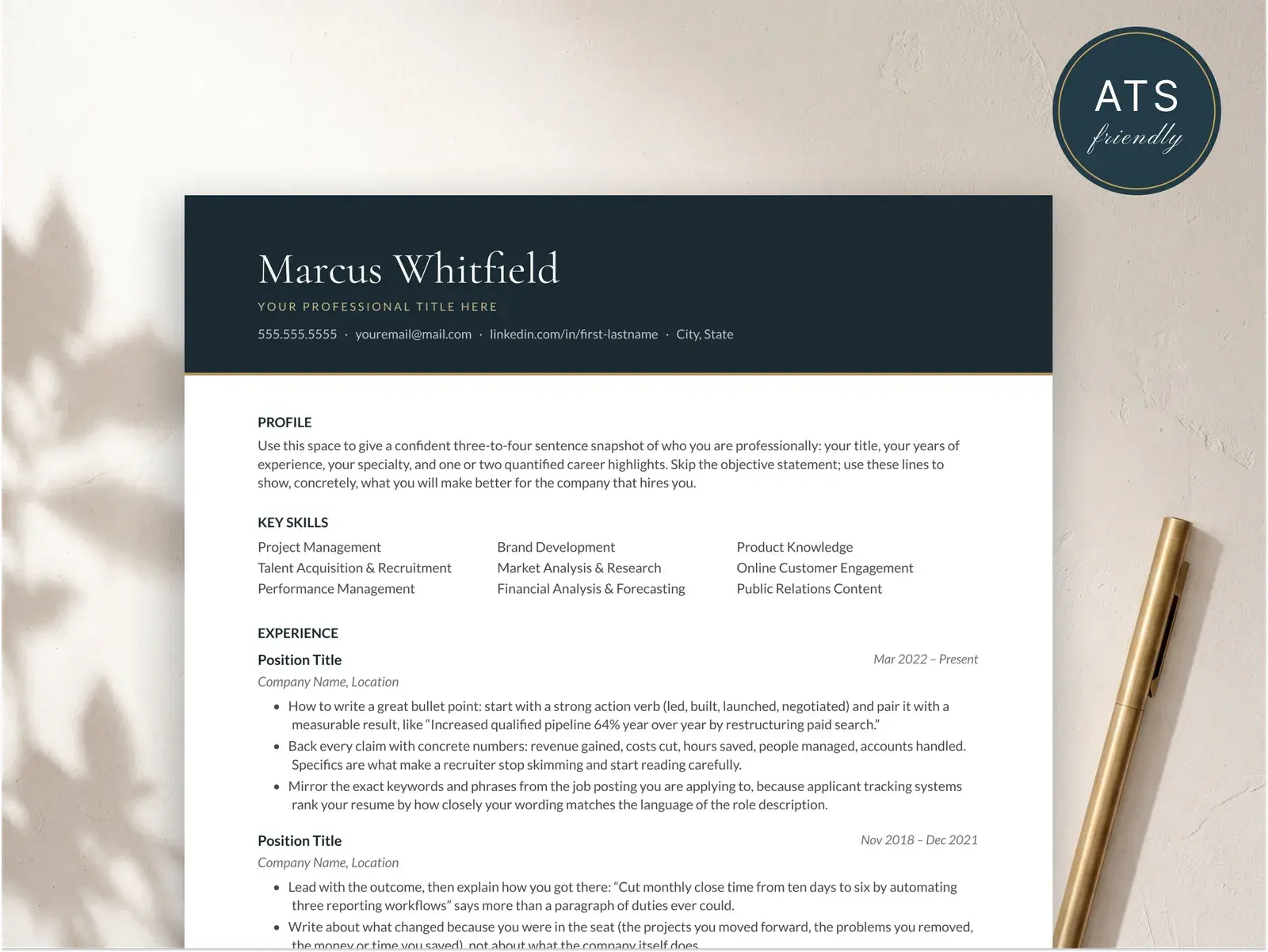
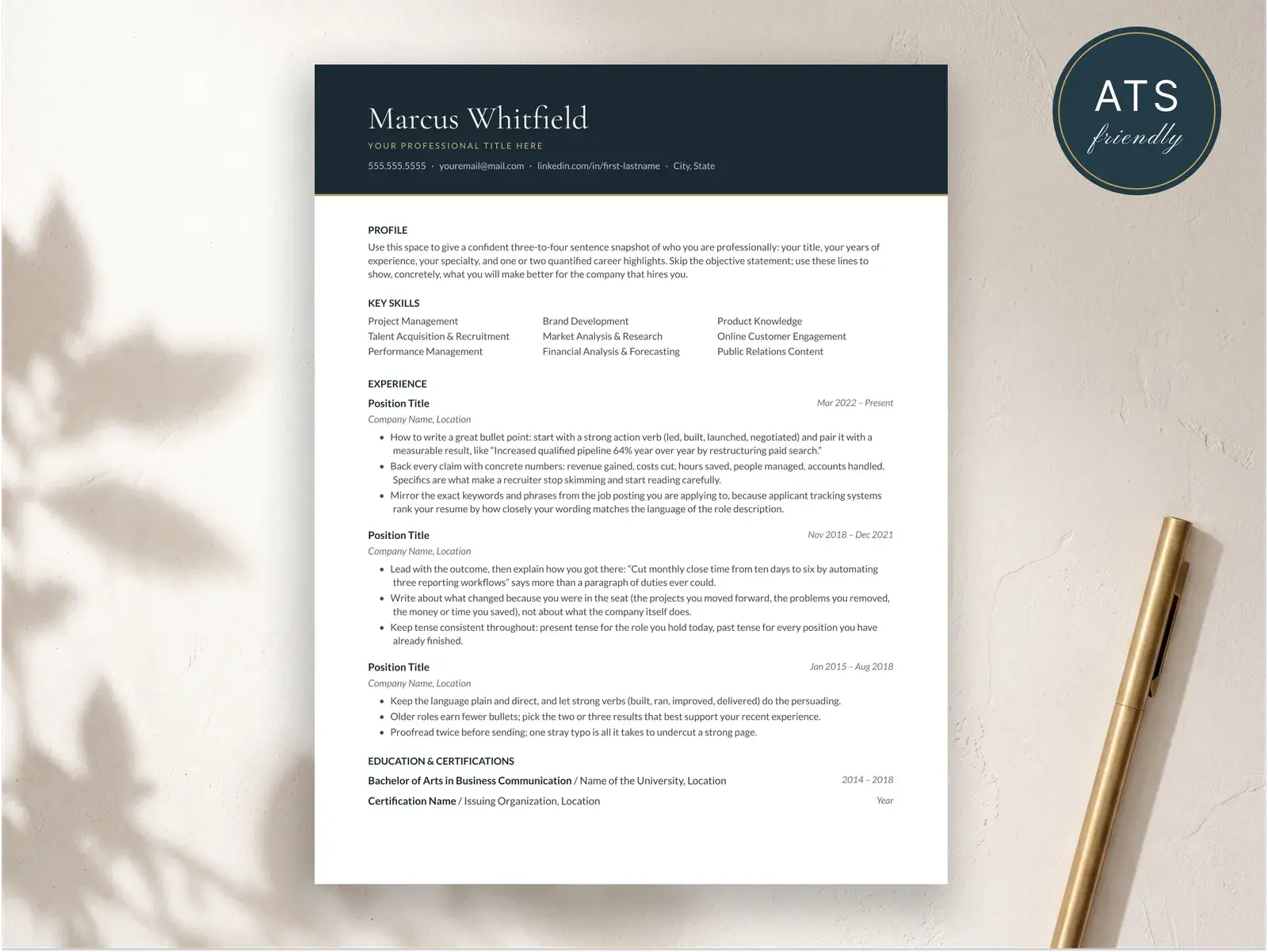
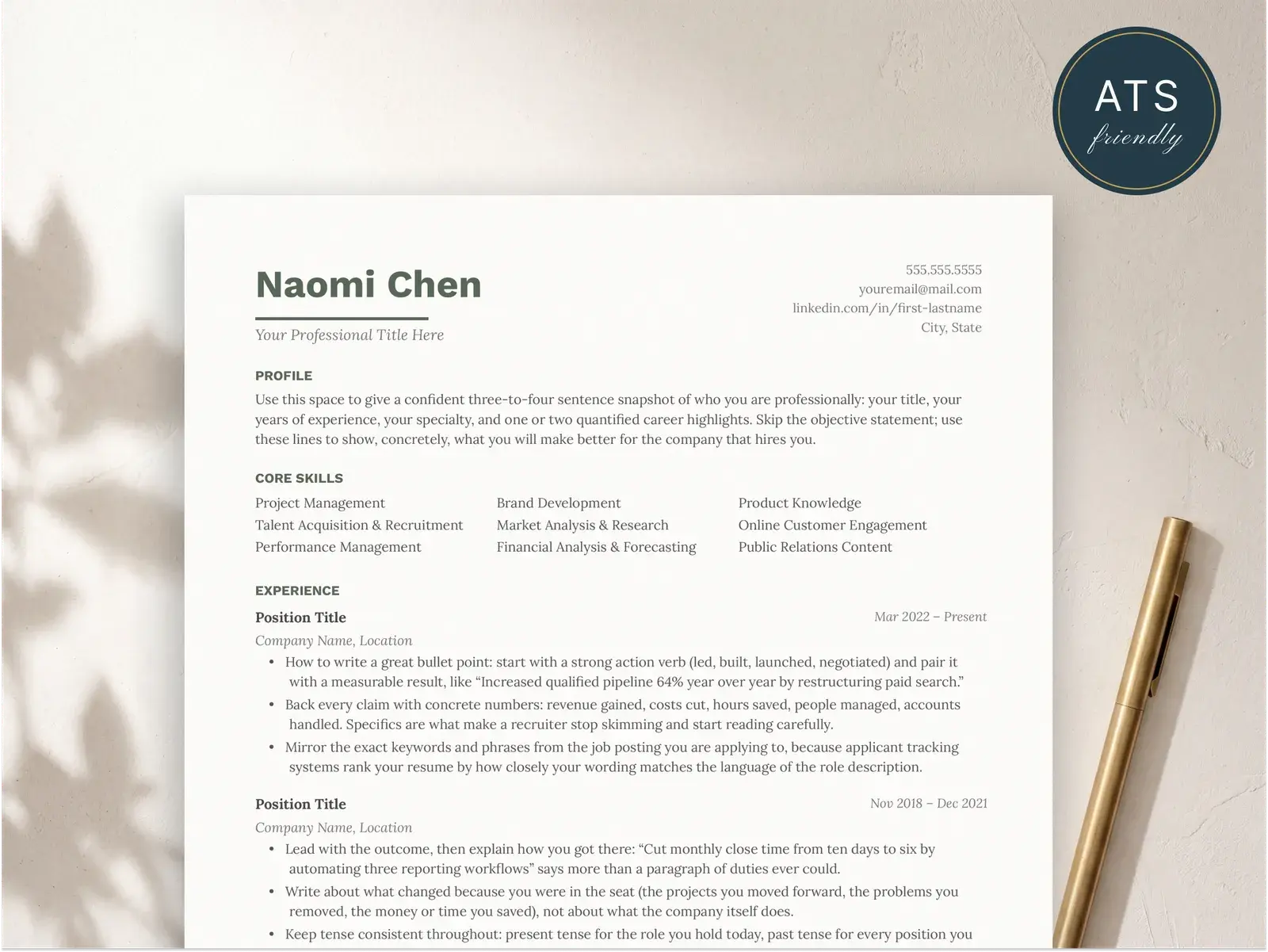
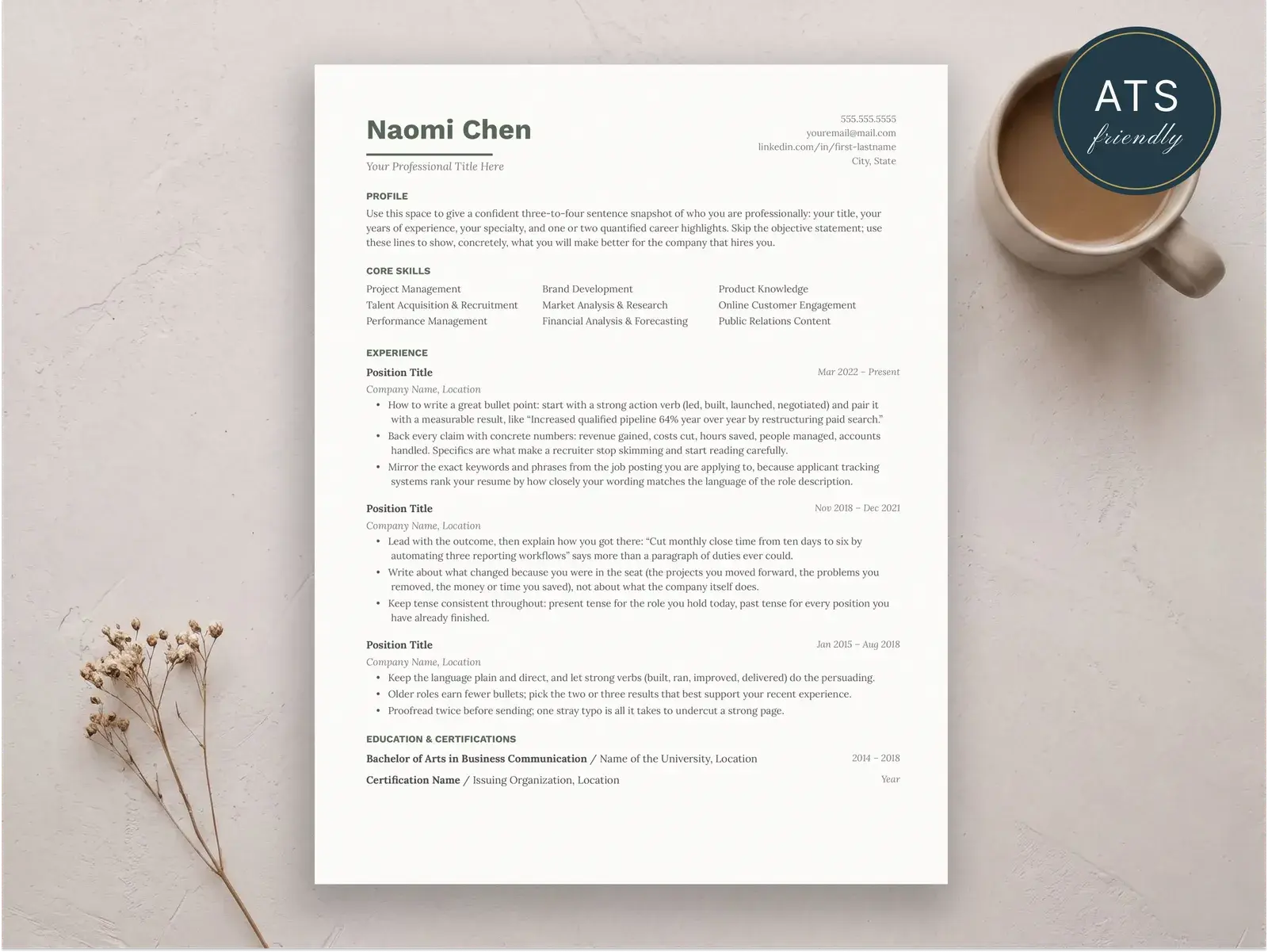
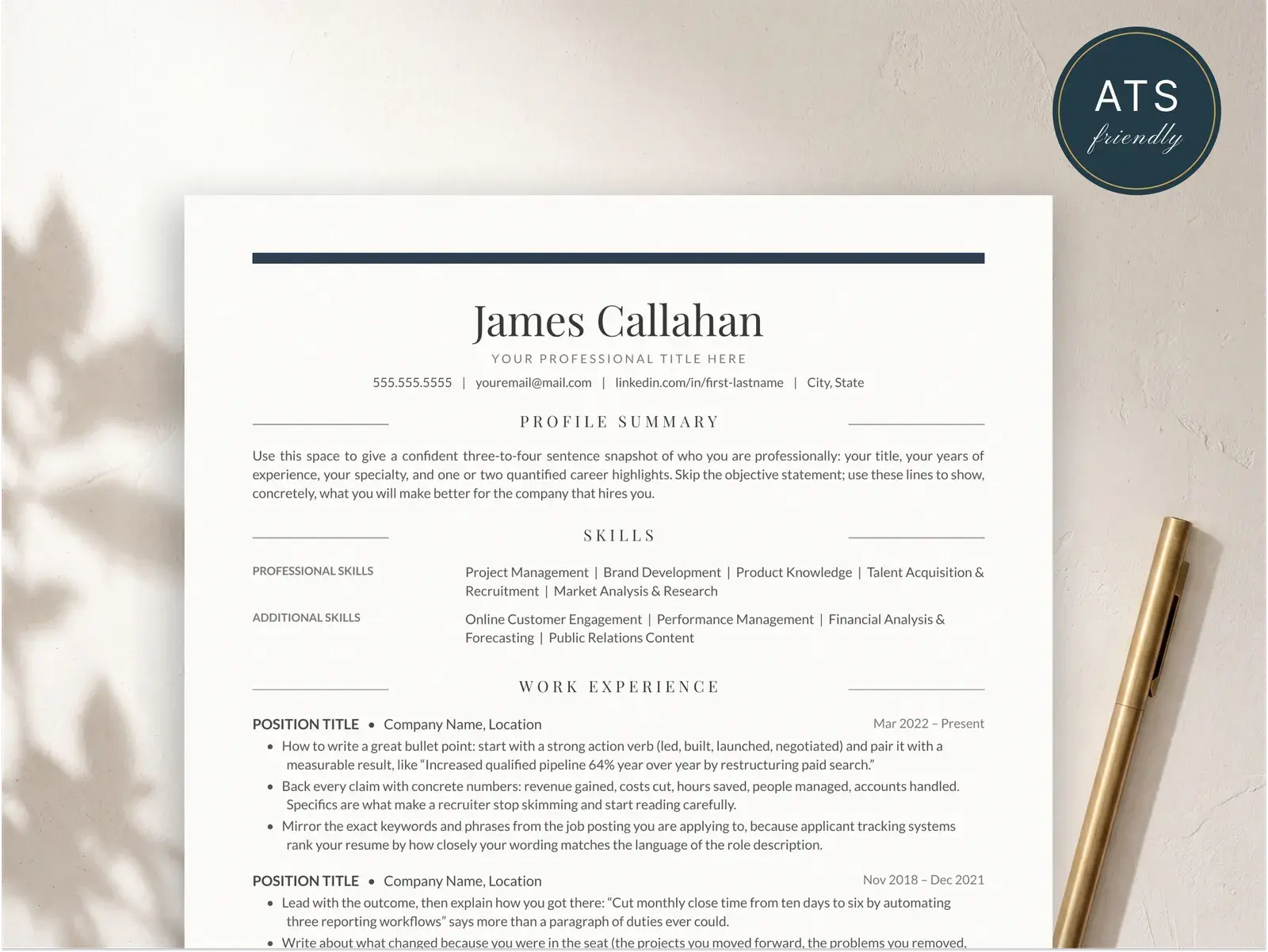
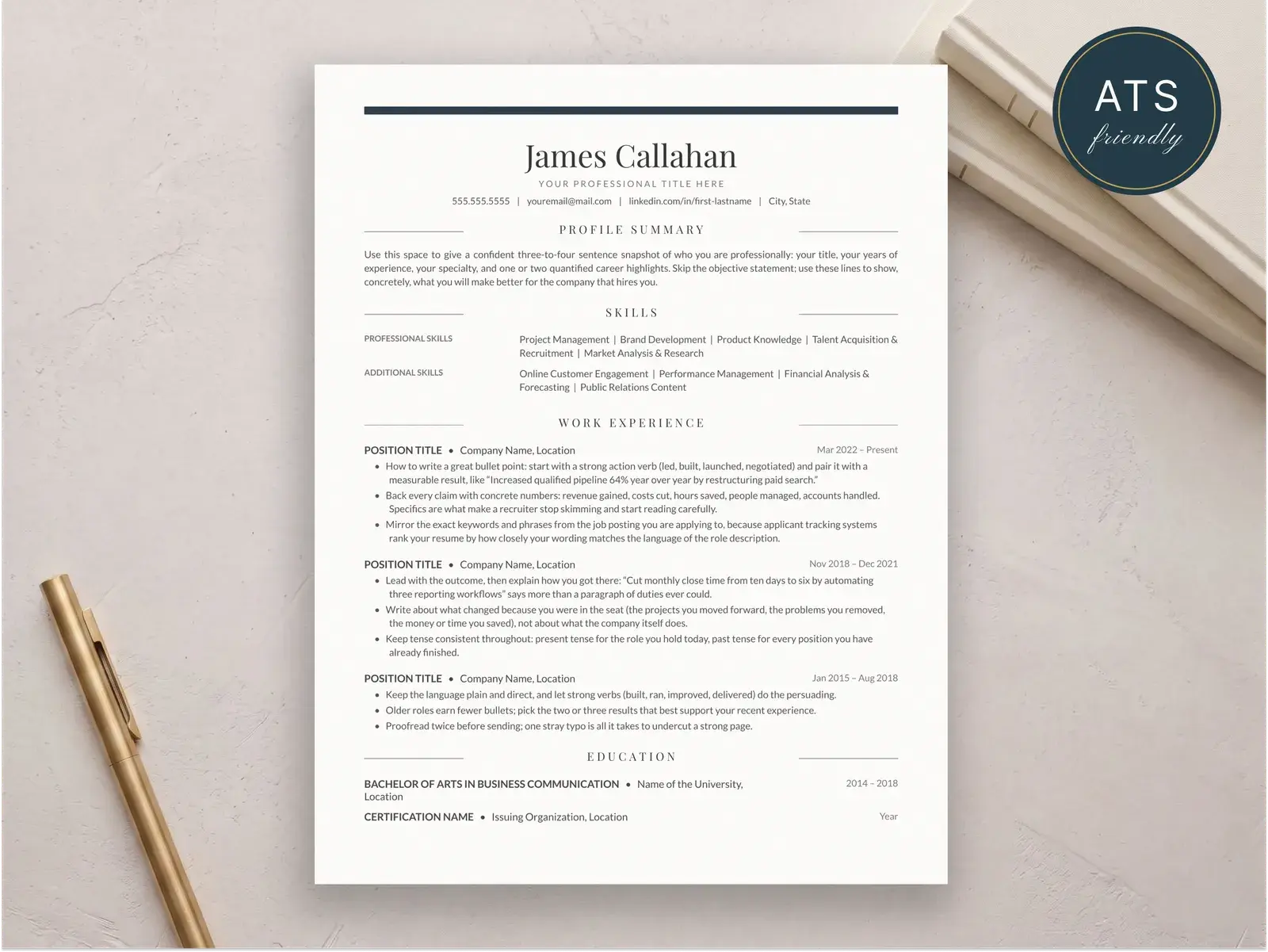
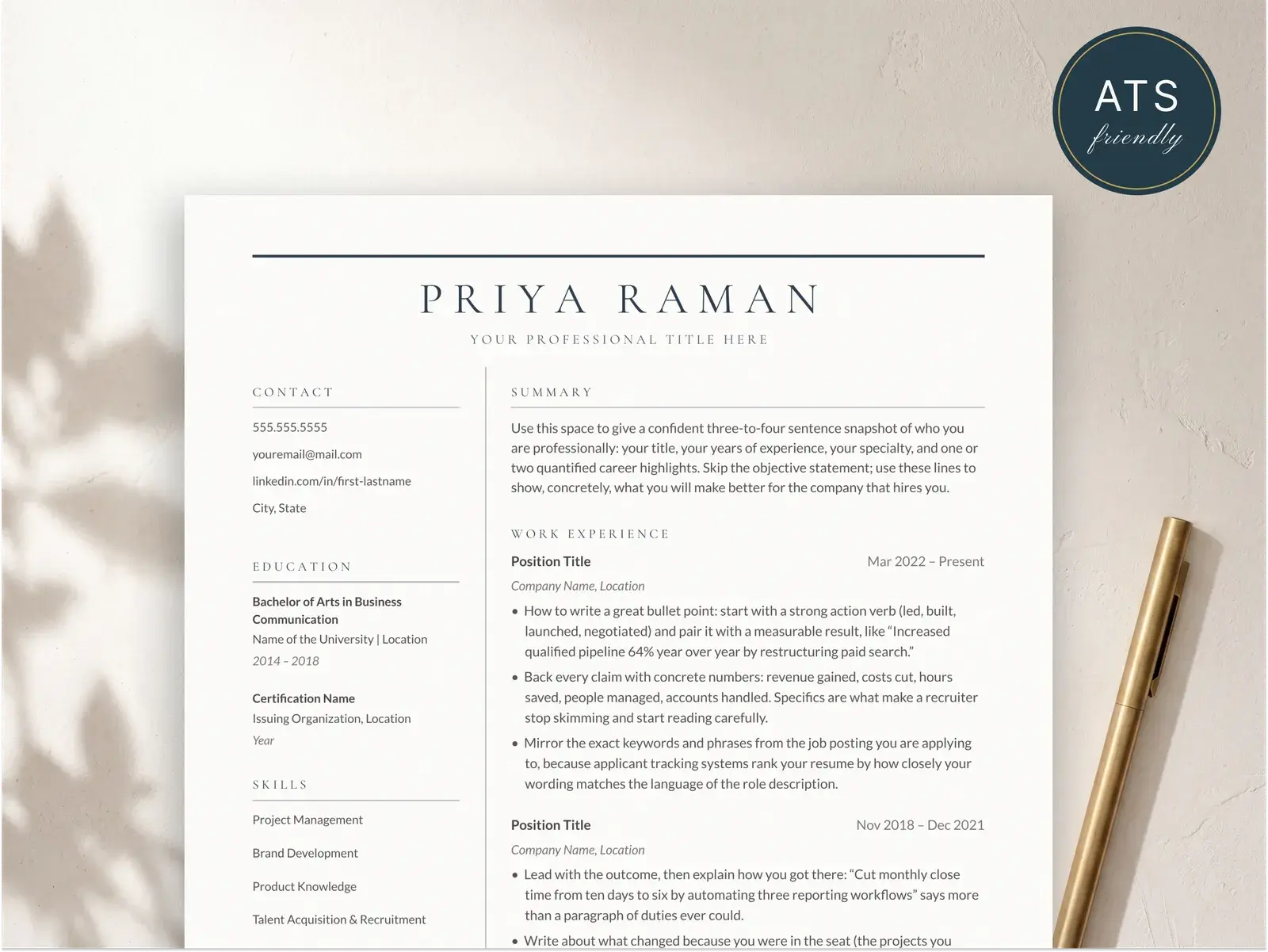
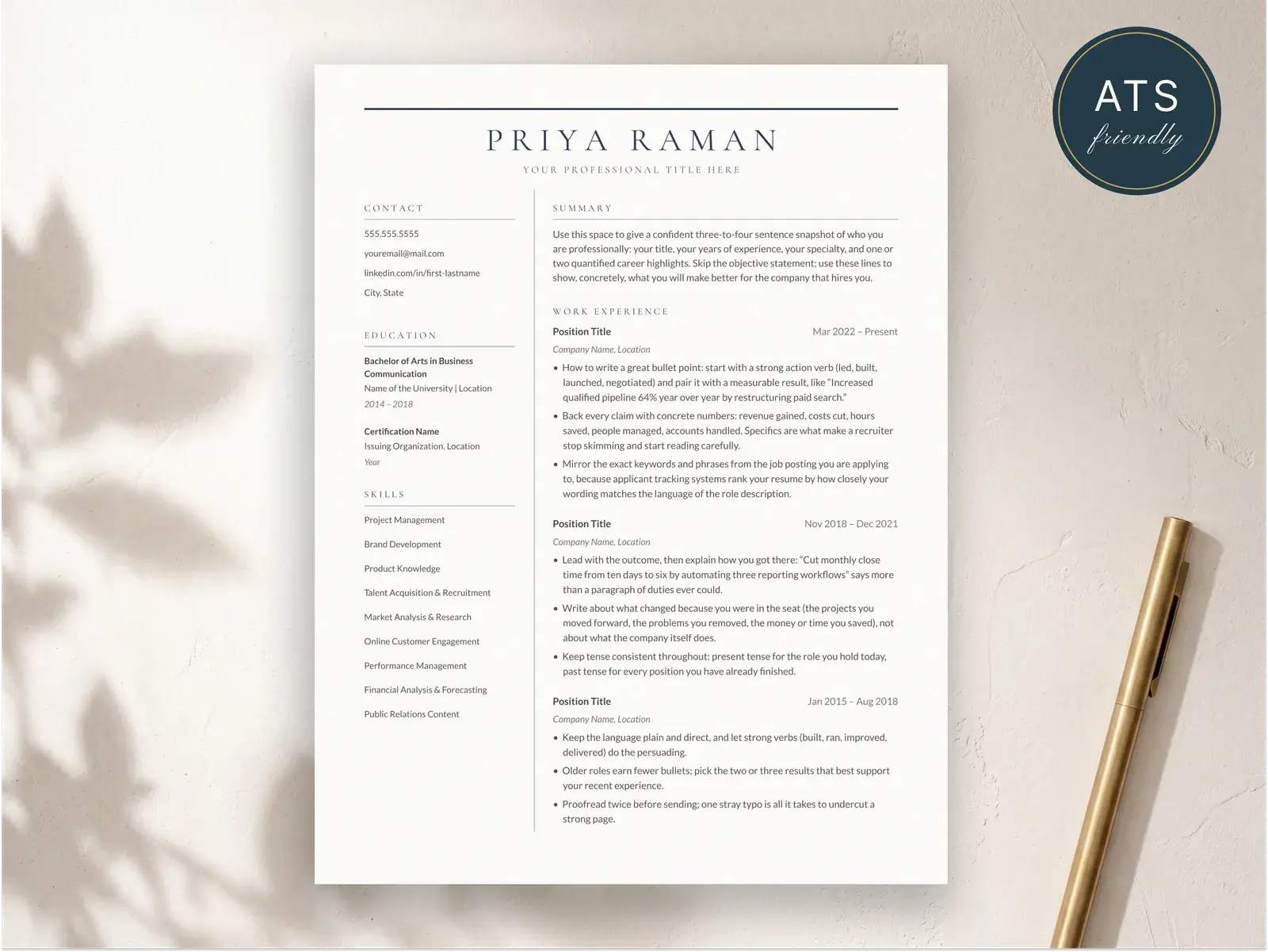
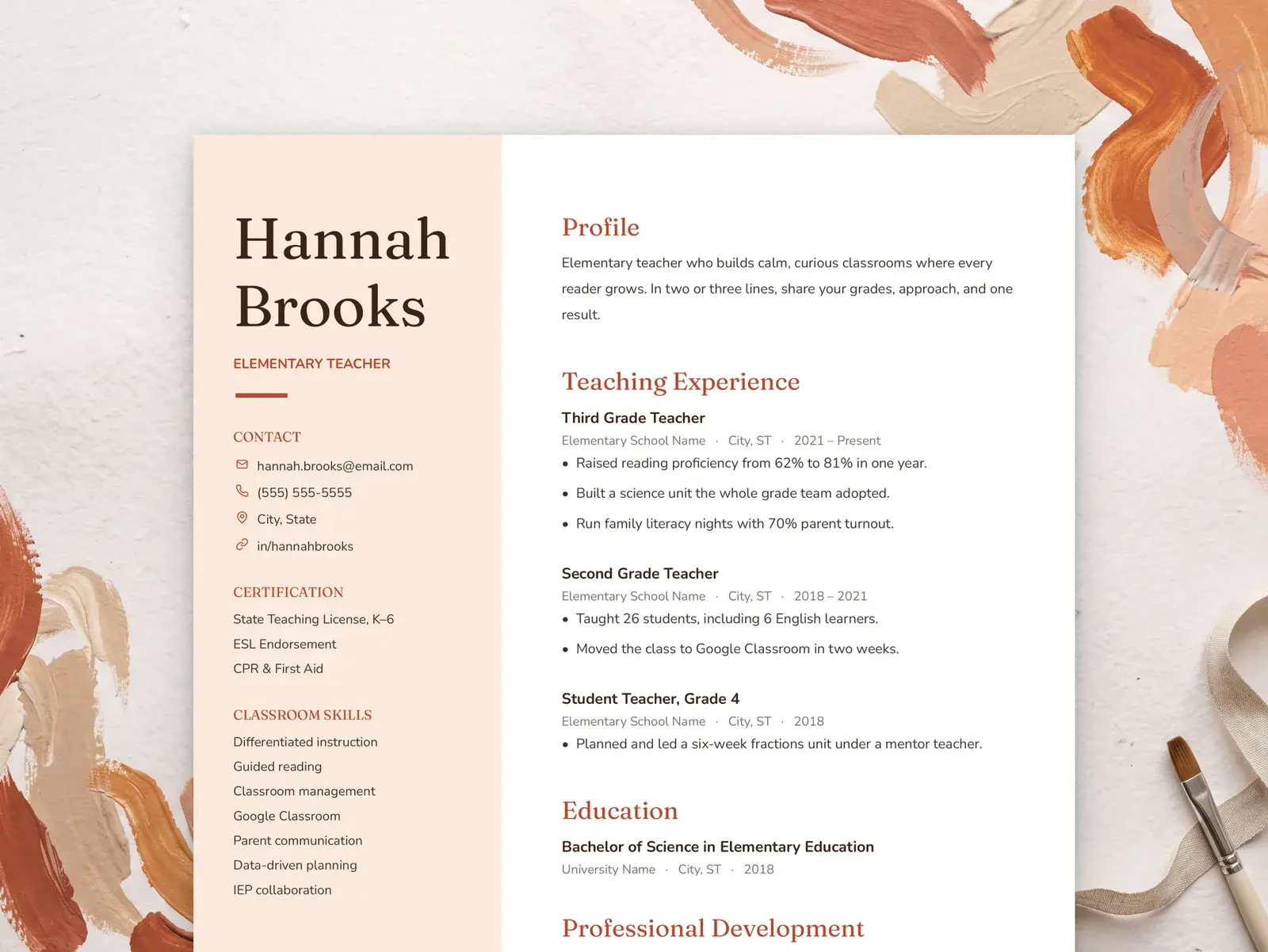
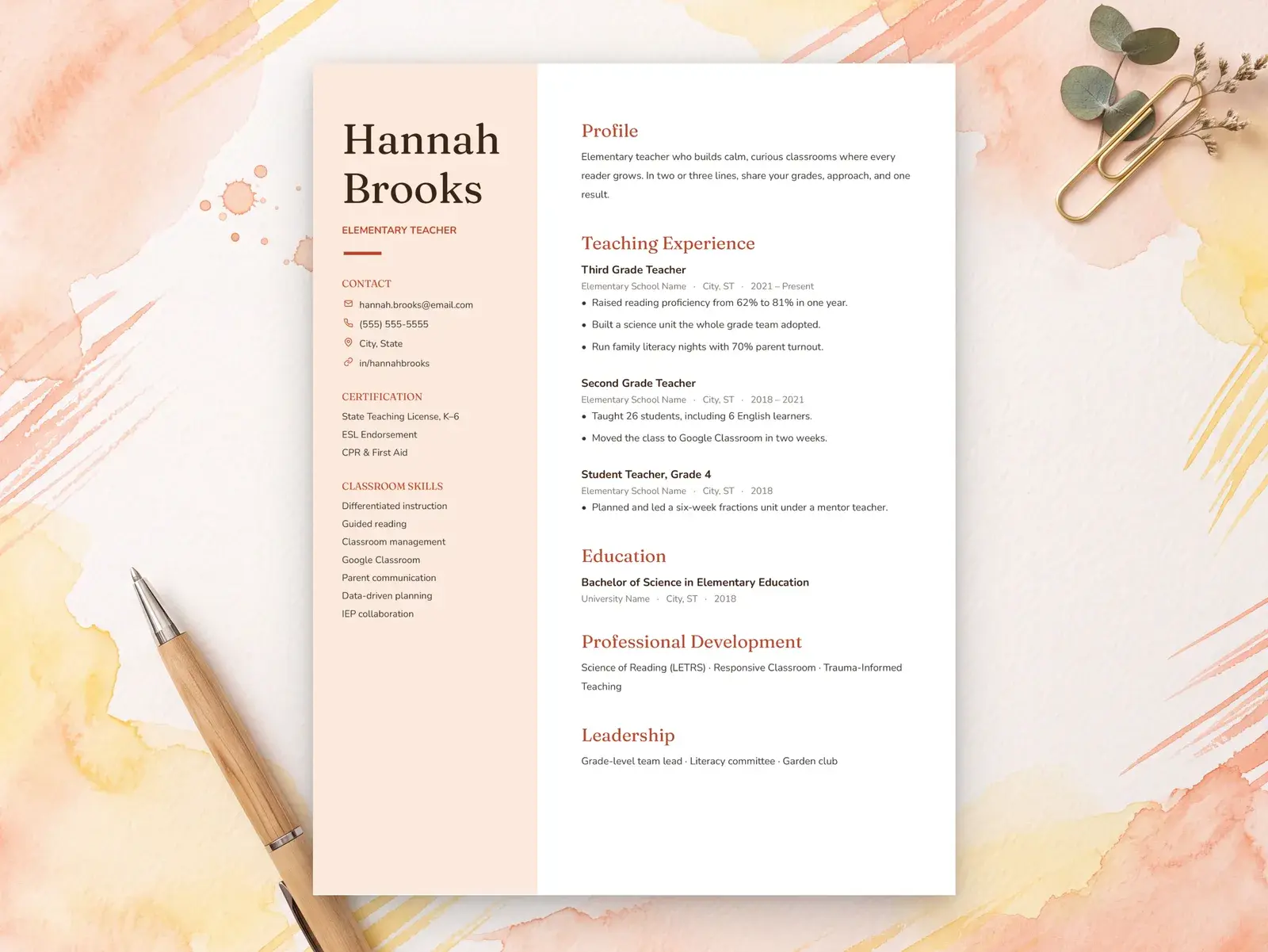
Templates for this role


Skills for new teachers and career changers
If you’re a fresher with only student teaching behind you, your skills are still real; you just need to say where they came from. Student teaching, practicum hours, tutoring, coaching, summer camps, and after-school programs all count. Write the bullet with the setting attached: “Planned and taught a three-week fractions unit to 24 fourth graders during student teaching.”
Career changers have a different advantage: transferable skills. Training new hires, presenting to clients, managing projects, and explaining technical topics to non-experts can overlap with parts of teaching. Translate the language: “onboarded new staff” becomes “designed and delivered training for groups of 10–15 adults.” Pair it with any subject knowledge you bring, and name it plainly if you’re applying to teach that subject.
Mistakes to avoid
- Listing adjectives as skills. “Caring, passionate, dedicated” belong in how you write your bullets, not in a skills list.
- Copying a generic list. A generic skills section doesn’t say what’s specific to you. Match it to the posting and your real experience.
- Skill bars and ratings. “Classroom management: 4 out of 5” says little about what you can actually do. Leave ratings off.
- Skills with no proof. If your most important skill never appears in a bullet, add one. A skill without an example has nothing backing it up.
- Burying certifications. Put your teaching license and endorsements in a clearly labeled section, and include the expiration date if your certificate has one.