How nursing resumes are screened
How nursing resumes are actually screened
Hospital systems hire at volume, which means an applicant tracking system reads your resume before any human does. The ATS matches exact terms from the job posting — if the posting says “telemetry” and your resume says “cardiac monitoring,” that’s a missed match. The reliable method: open the posting, highlight every skill and system it names, and make sure the ones you honestly have appear on your resume in the posting’s own words.
Then a nurse manager reads the survivors — and they read skills lists skeptically, because everyone claims everything. Their trust goes to skills that reappear inside your experience bullets attached to real patient loads and real units. The structure below serves both readers.
Clinical skills worth listing
The core set most postings screen for, regardless of unit:
- Assessment & monitoring: head-to-toe assessment, vital signs, telemetry, neuro checks, pain assessment
- Medication: medication administration (PO, IM, SubQ, IV), IV insertion & therapy, blood product administration, medication reconciliation
- Procedures: wound care & dressing changes, Foley catheter insertion, NG tube placement, trach care, ostomy care, specimen collection
- Acute response: BLS/ACLS response, rapid response participation, code documentation
- Care coordination: patient/family education, discharge planning, interdisciplinary rounding, charge nurse duties, preceptor experience
List only what you’ve actually performed — clinical claims get tested in interviews with scenario questions, and in skills validation on day one.
Technical and systems skills
These are heavily screened and easy to forget, because they feel like furniture:
- EHR systems by name: Epic, Cerner, Meditech — name the one you’ve charted in. This is one of the most-matched keywords in nursing ATS screens.
- Equipment: ventilators, infusion pumps, PCA pumps, cardiac monitors, wound VACs
- Certifications: BLS, ACLS, PALS, NRP, TNCC, CCRN — in their own labeled line or a Certifications section, with expiration dates if current.
Soft skills: prove them, don’t list them
Communication, compassion, teamwork, and time management are the four words on every nursing resume — which is exactly why they carry no weight as list items. Convert each into a bullet with a number attached:
Instead of listing “time management”
Managed care for 5–6 med-surg patients per shift, prioritizing assessments, meds, and discharges with zero missed medication windows over 12 months.
Instead of listing “communication”
Educated an average of 4 discharge patients per shift on medication schedules and follow-up care, reducing unit readmission callbacks.
Skills by specialty
Med-surg
Patient loads (say the number), post-op care, pain management, wound care, discharge education, delegation to CNAs.
ICU / critical care
Ventilator management, titratable drips, hemodynamic monitoring, sedation assessment (RASS/CPOT), CRRT, family communication in critical situations.
Emergency
Triage (ESI), rapid assessment, trauma response, conscious sedation, splinting, high-volume throughput.
Labor & delivery
Fetal monitoring interpretation, labor support, postpartum assessment, newborn care, NRP.
Pediatrics
Weight-based dosing, pediatric assessment, family-centered care, PALS, distraction techniques.
Long-term care / SNF
Chronic disease management, fall prevention, pressure injury prevention, MDS documentation, supervision of aides across large resident loads.
How to format the skills section
Grouped lines beat long comma soup and beat skill bars (which ATS software can’t read at all):
SKILLS
Clinical: Patient assessment • IV therapy • Medication administration • Wound care • Telemetry
Systems & Equipment: Epic EHR • Infusion pumps • Cardiac monitoring
Certifications: RN (TX #123456) • BLS • ACLS (exp. 2027)
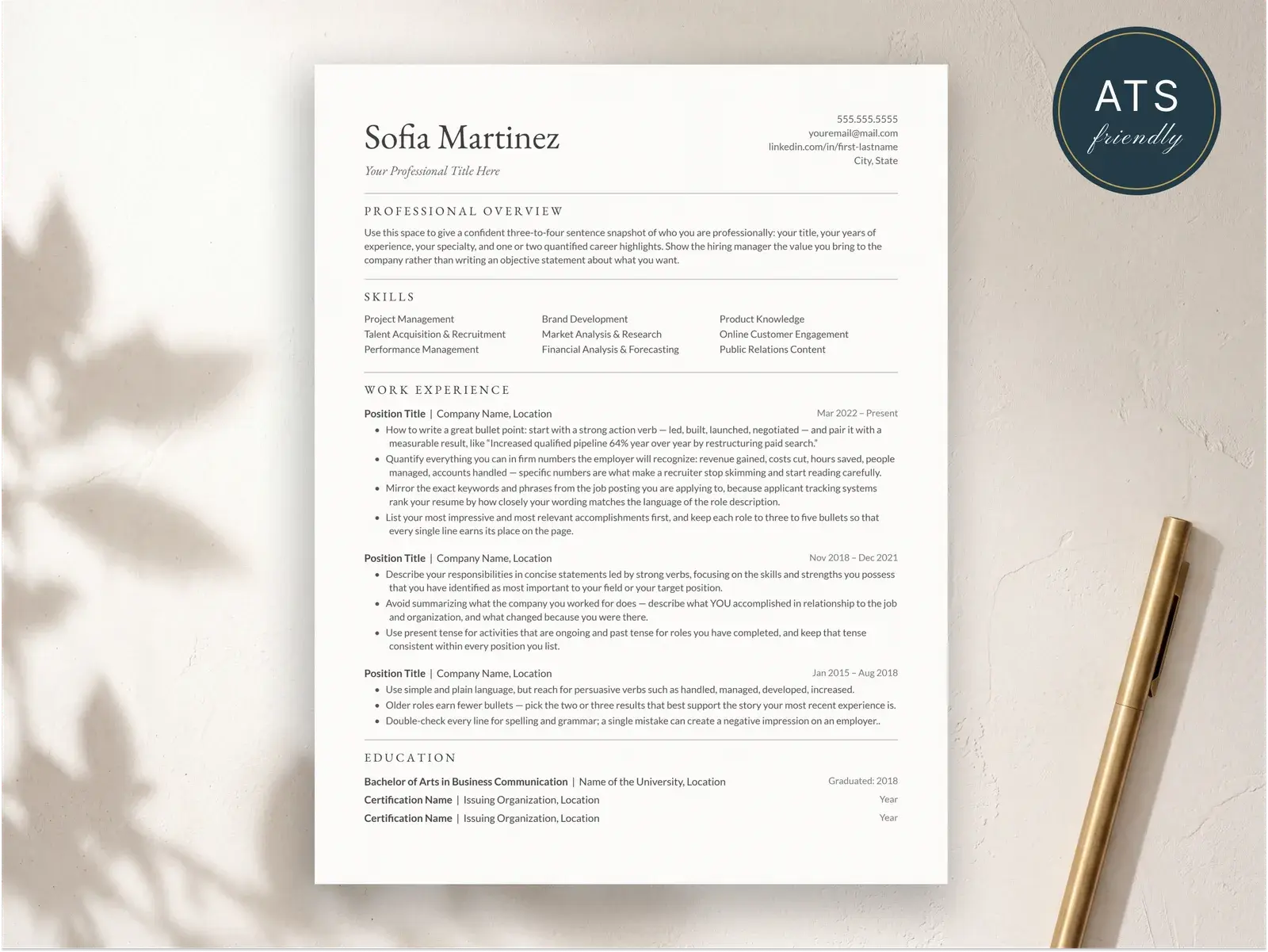
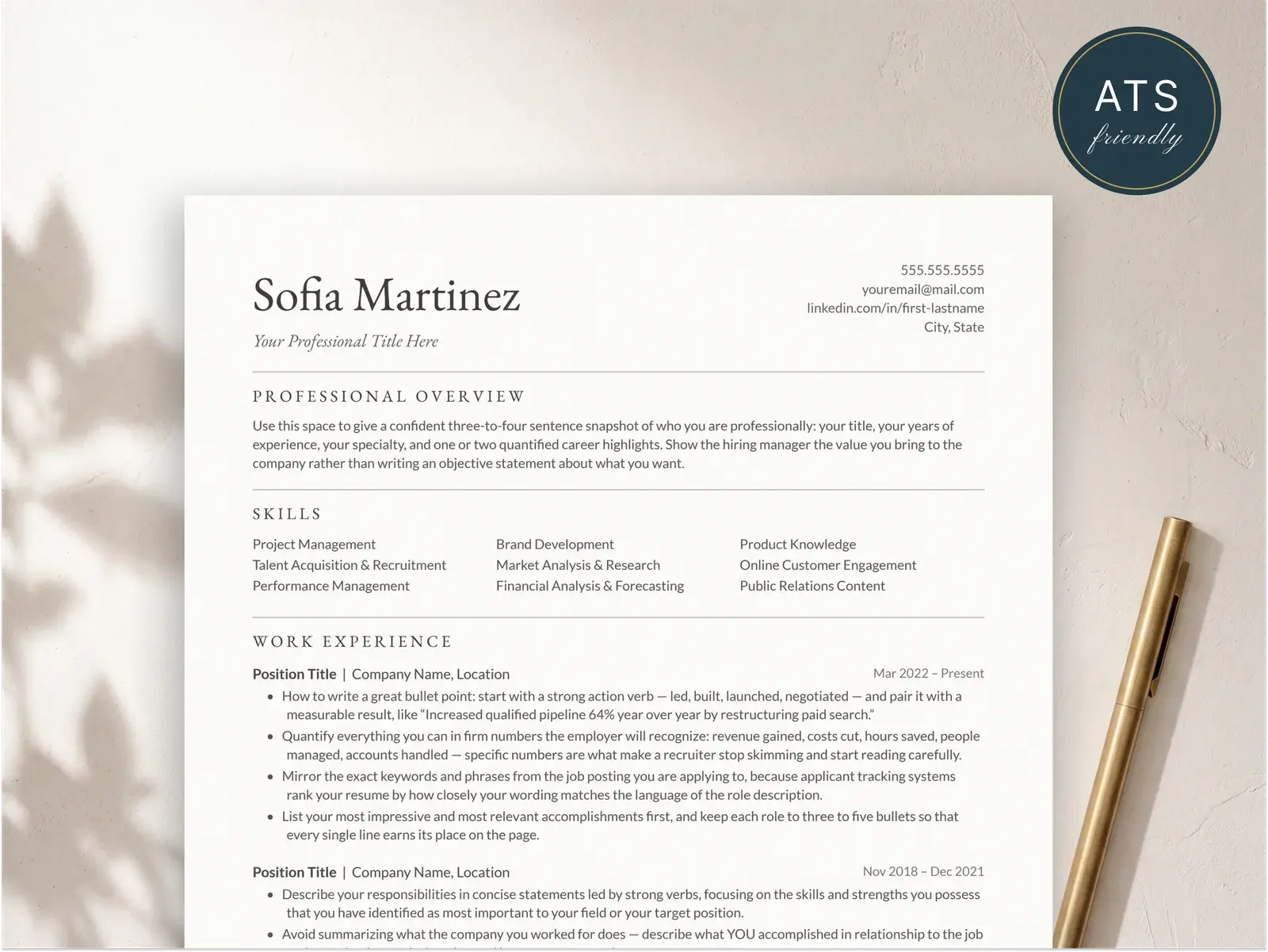
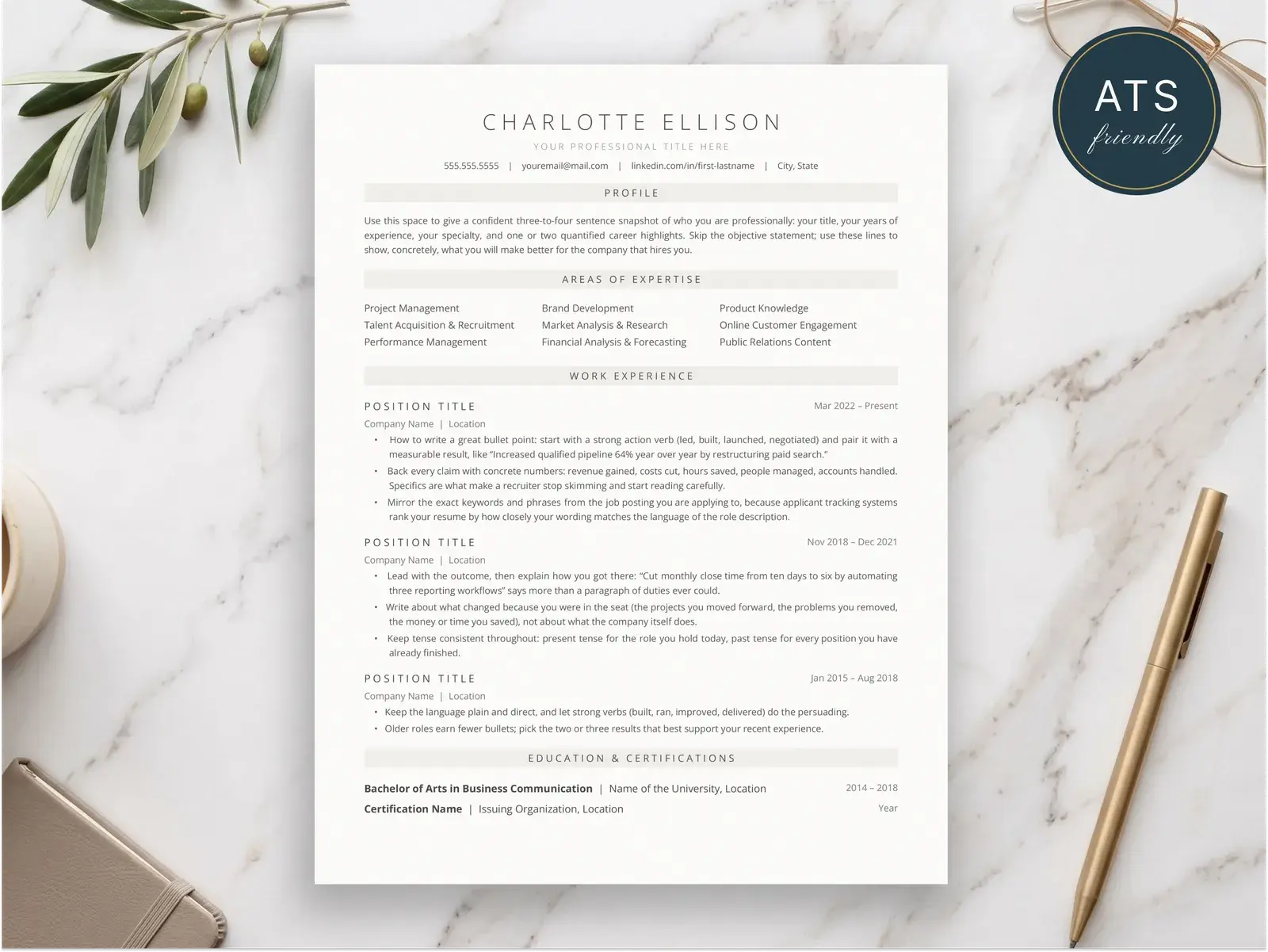
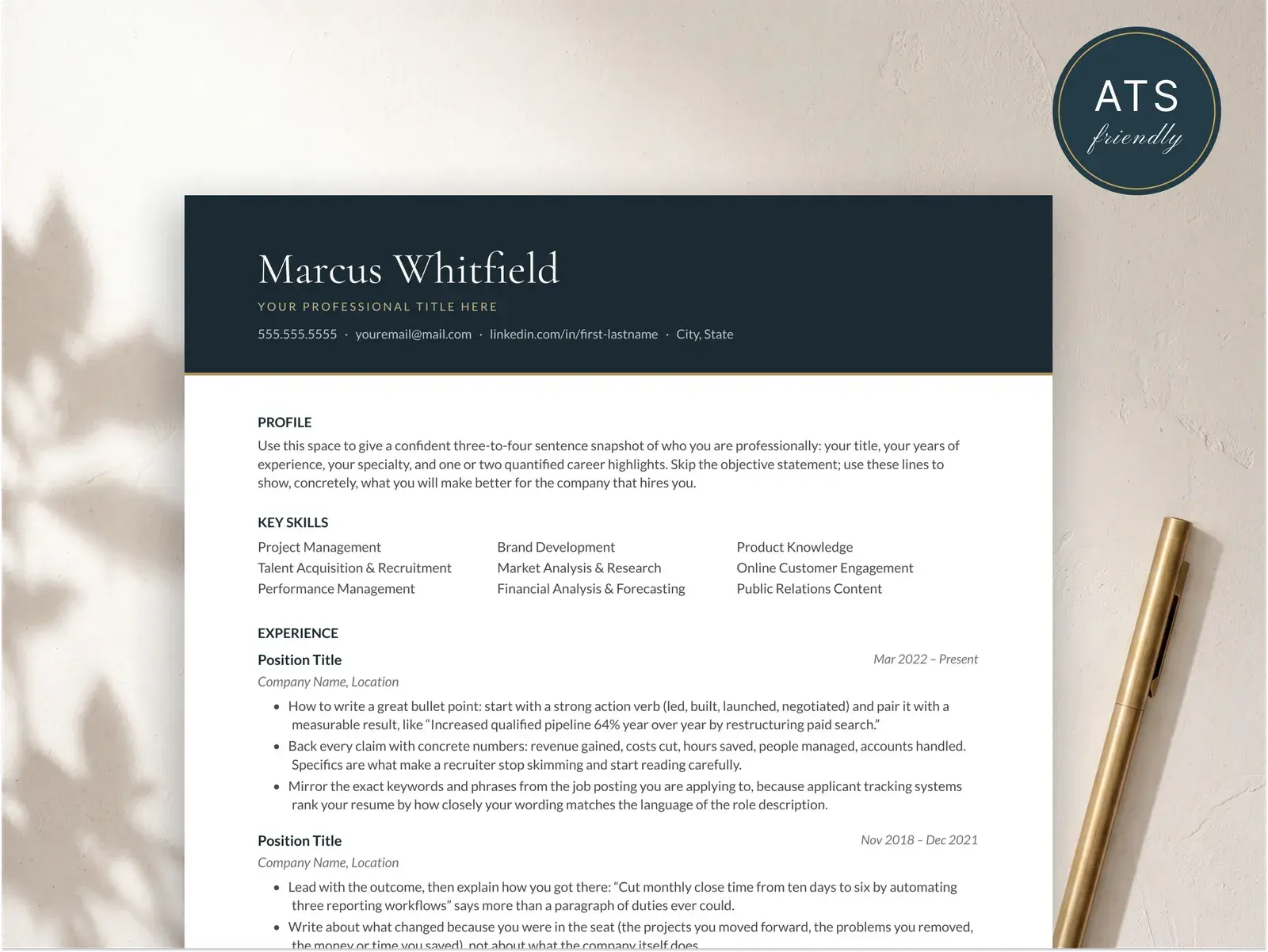
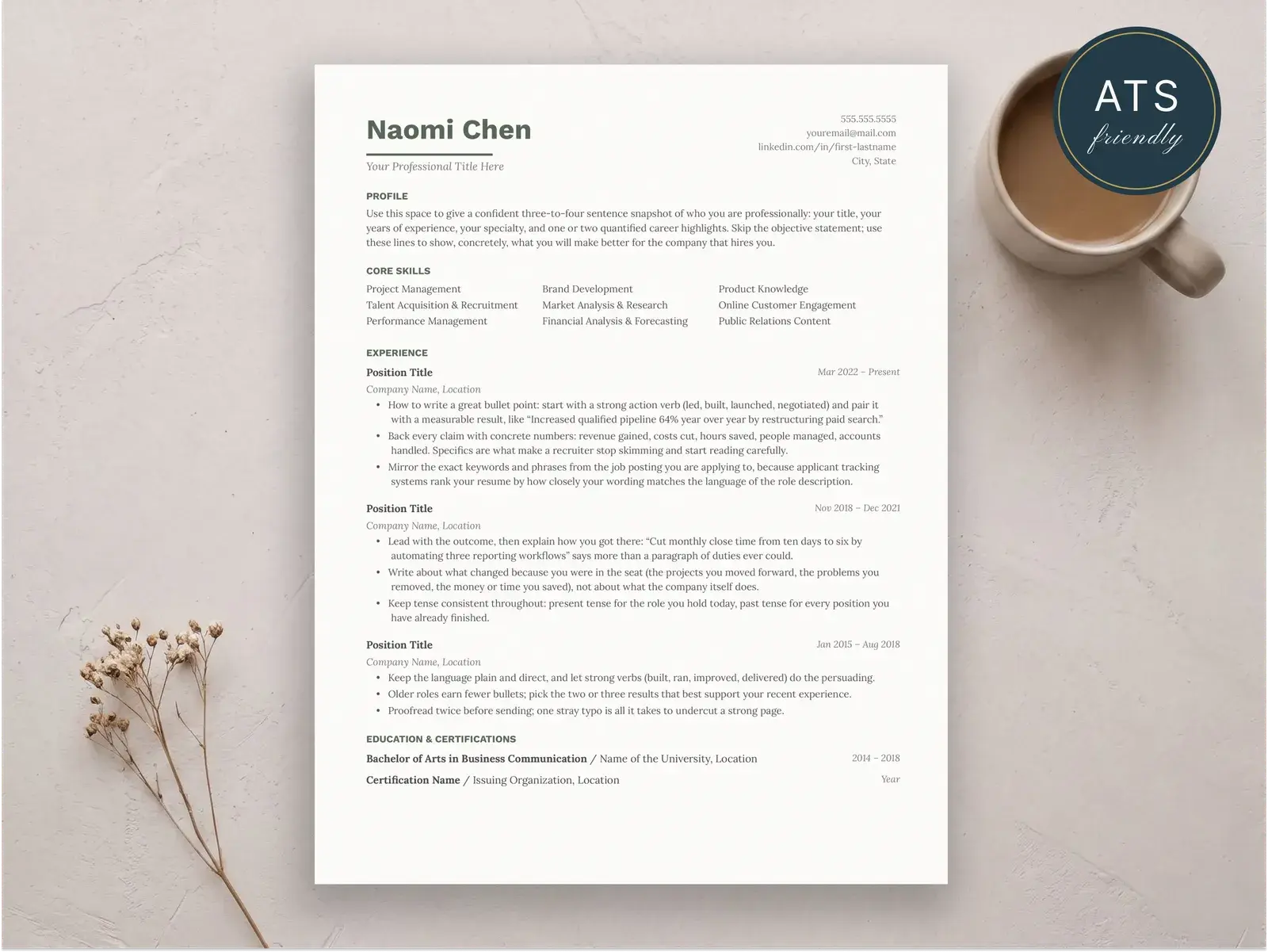
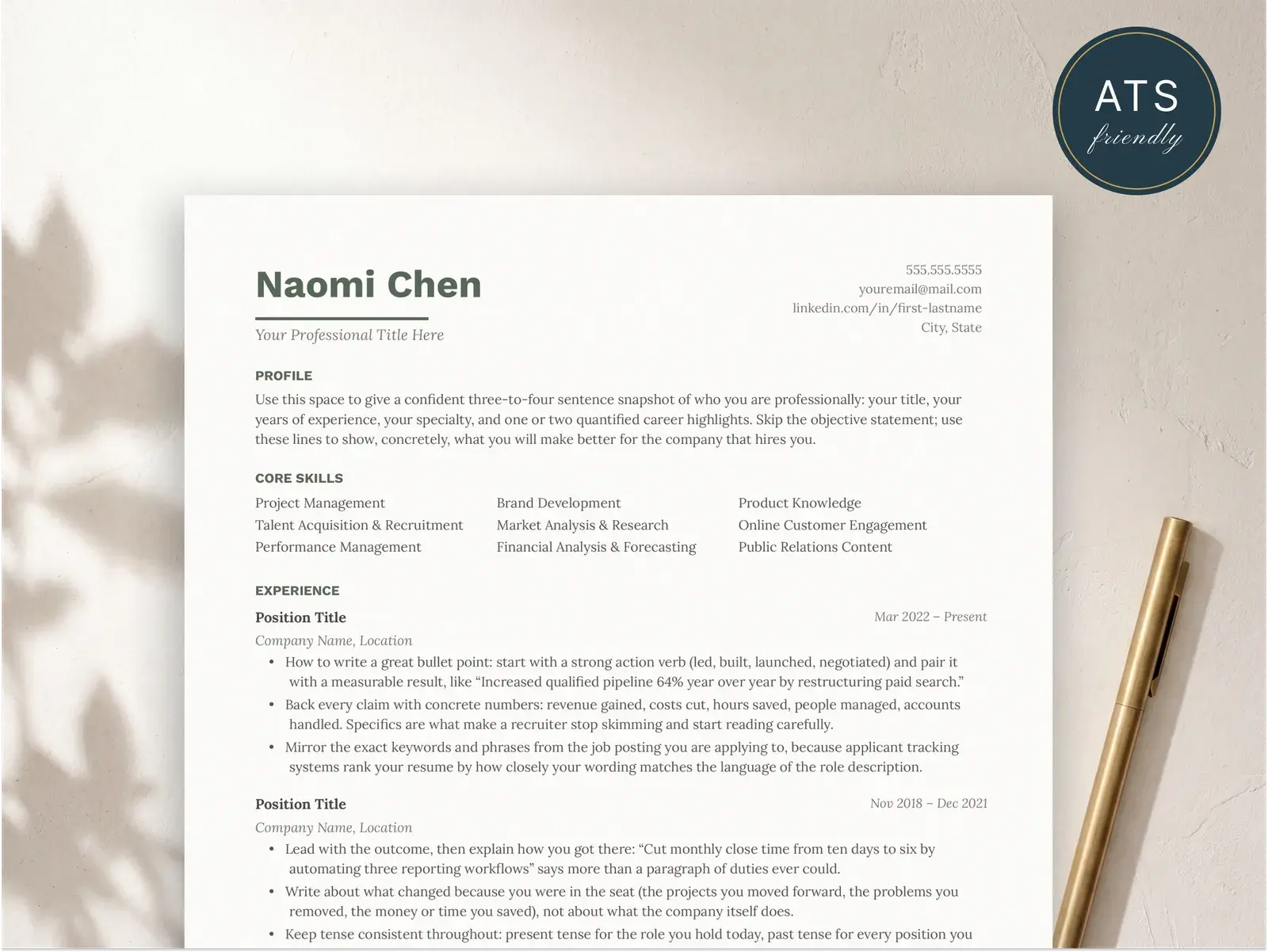
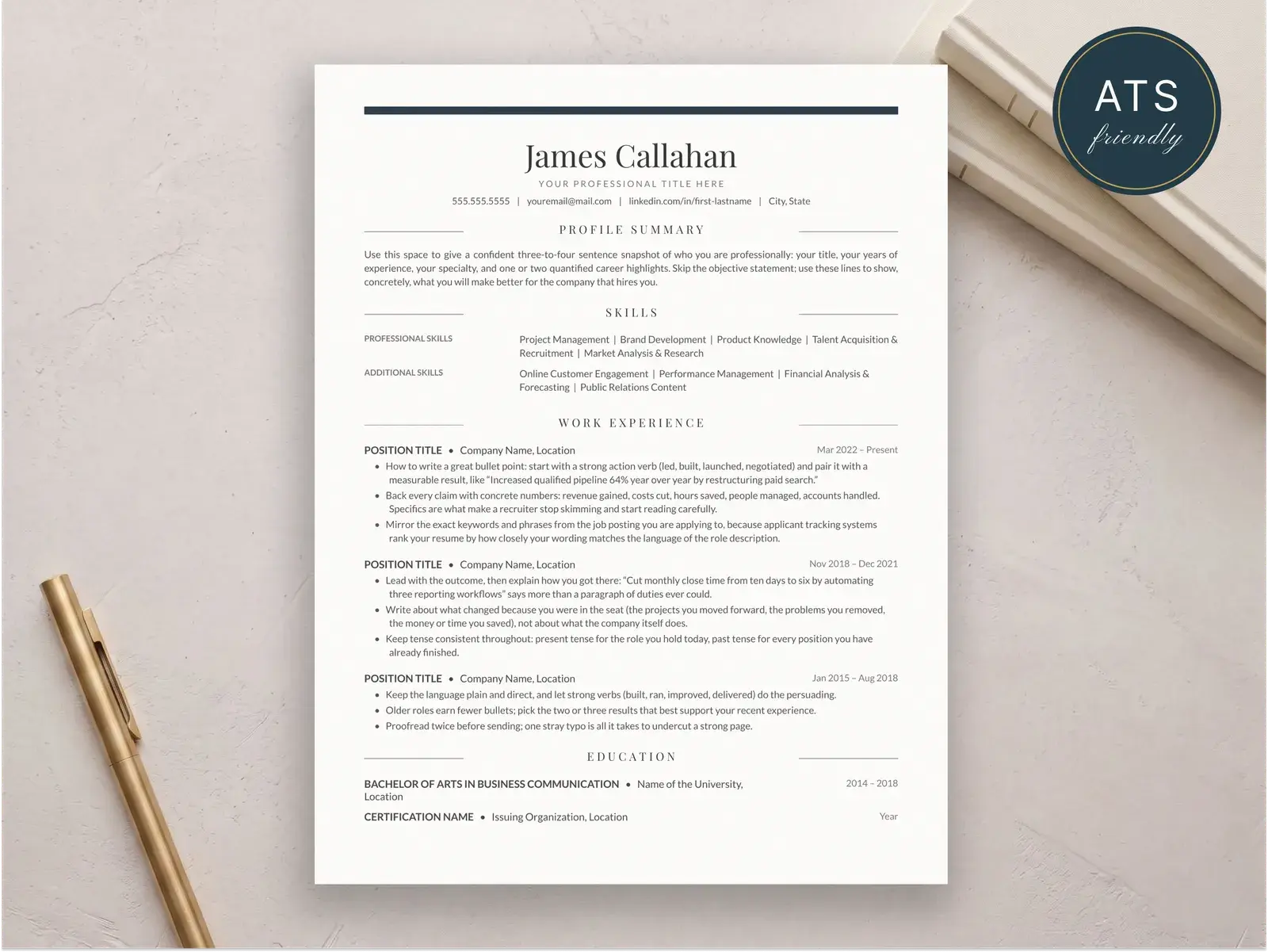
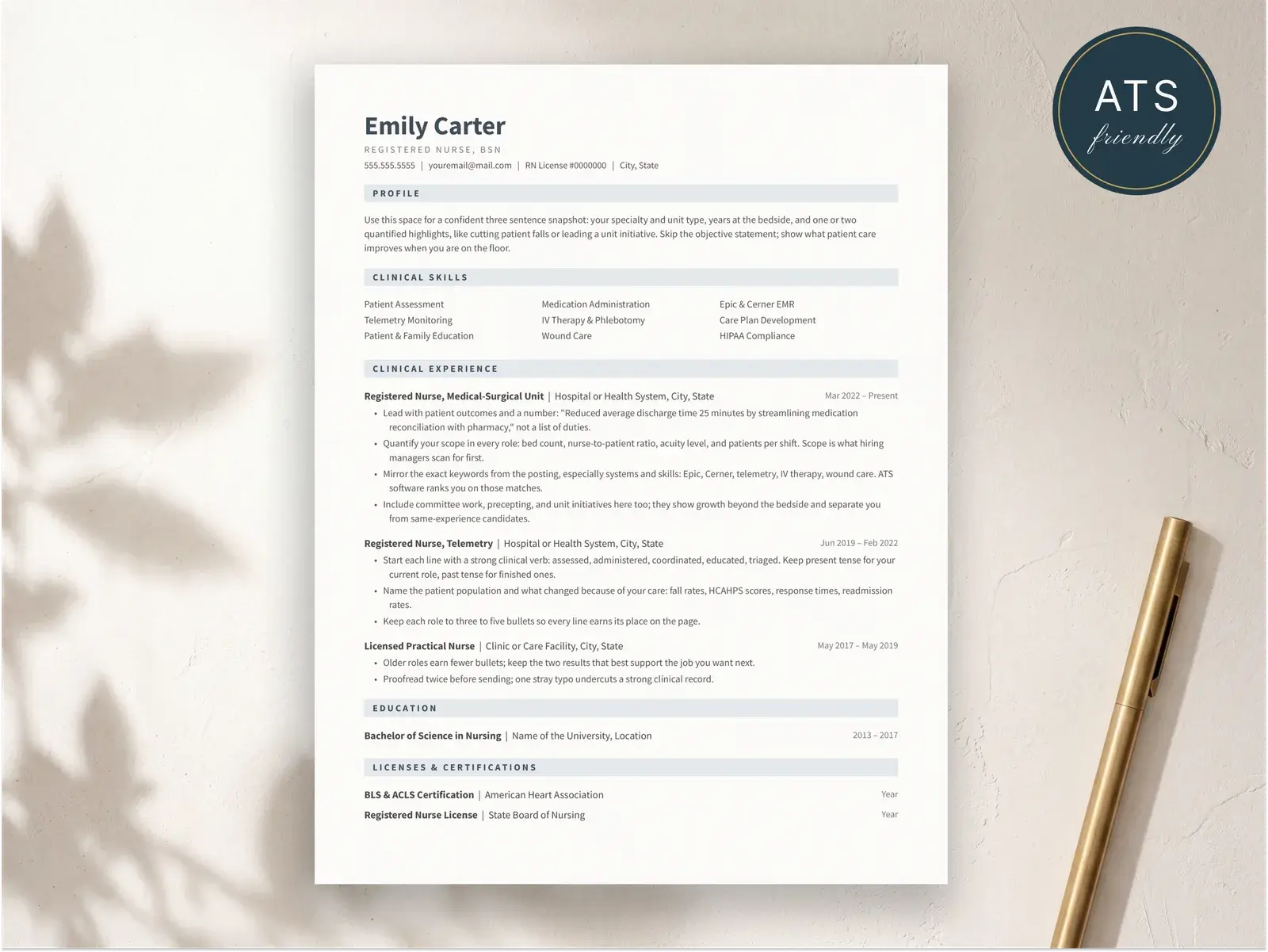
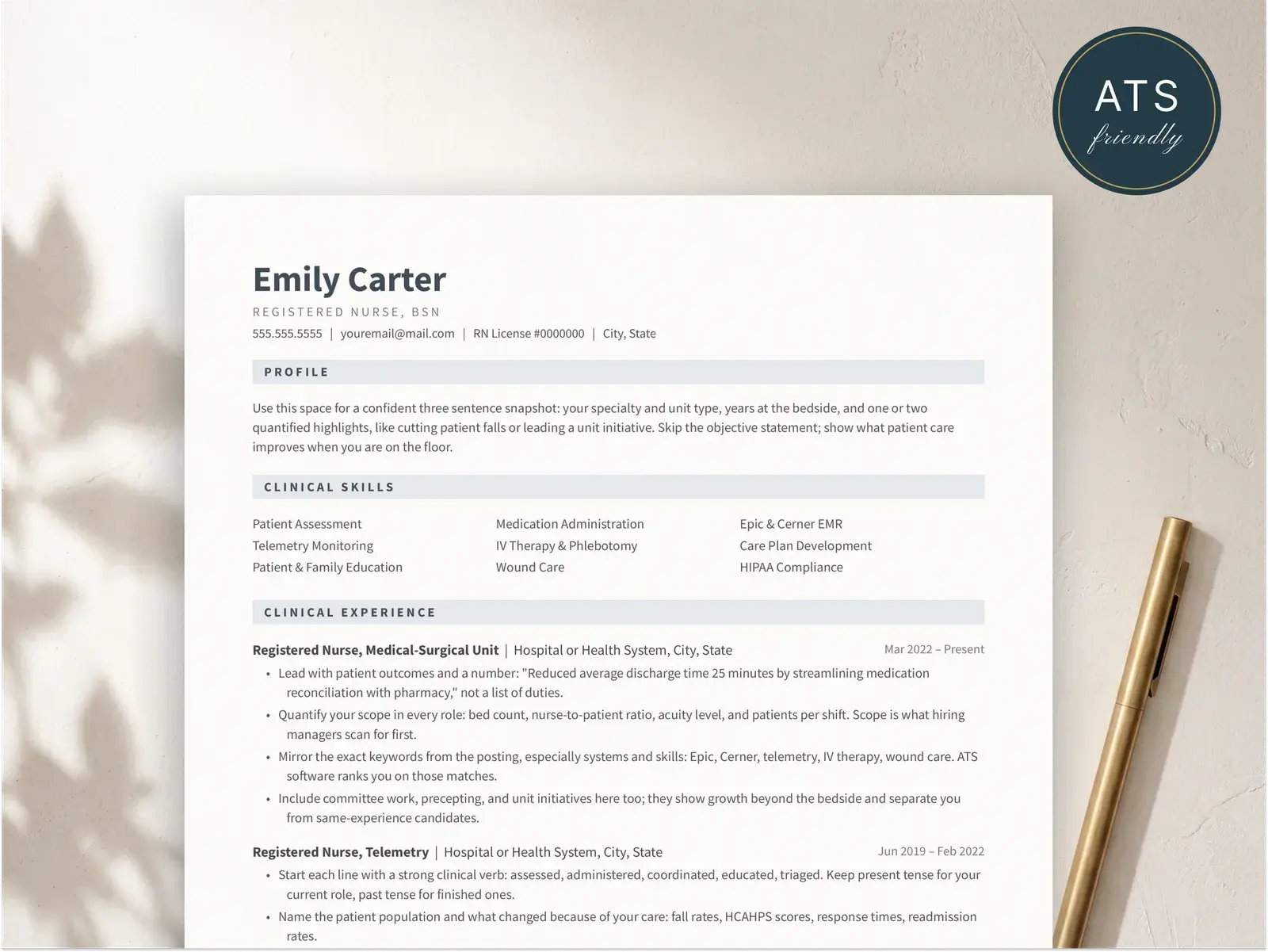
Keep it to 8–14 items, tailored per posting. On a healthcare resume template with a clean single-column layout, this section sits right below your summary where both the ATS and the nurse manager find it immediately.
Three mistakes that cost interviews
- Generic skills on a specialized posting. An ICU posting answered with “patient care, teamwork, documentation” loses to any resume that says “ventilator management” and “titratable drips.”
- Burying the license. RN license and certifications belong where they’re seen in the first two seconds — top of the resume or a clearly labeled section, never scattered.
- Copying the posting’s full list. Matching keywords you have is smart; pasting all twenty including ones you don’t is how interviews go badly. Every skill listed is fair game for “tell me about a time.”
If you’re just starting out, the section looks different — see our guides to the new grad nursing resume and the nursing student resume for how to lean on clinical rotations before you have shifts of your own.