What's different for new grads
What’s different about a new grad nursing resume
A staff nurse’s resume leads with work history. You don’t have one — so the new grad resume runs on three substitutes: licensure (the non-negotiable gate), clinical rotations (your experience section in different clothes), and education. Nurse recruiters screening residency cohorts check them in roughly that order, in seconds. The entire layout below exists to answer their three questions fast: Can you legally practice? Where have you actually been on a unit? Are you certified for ours?
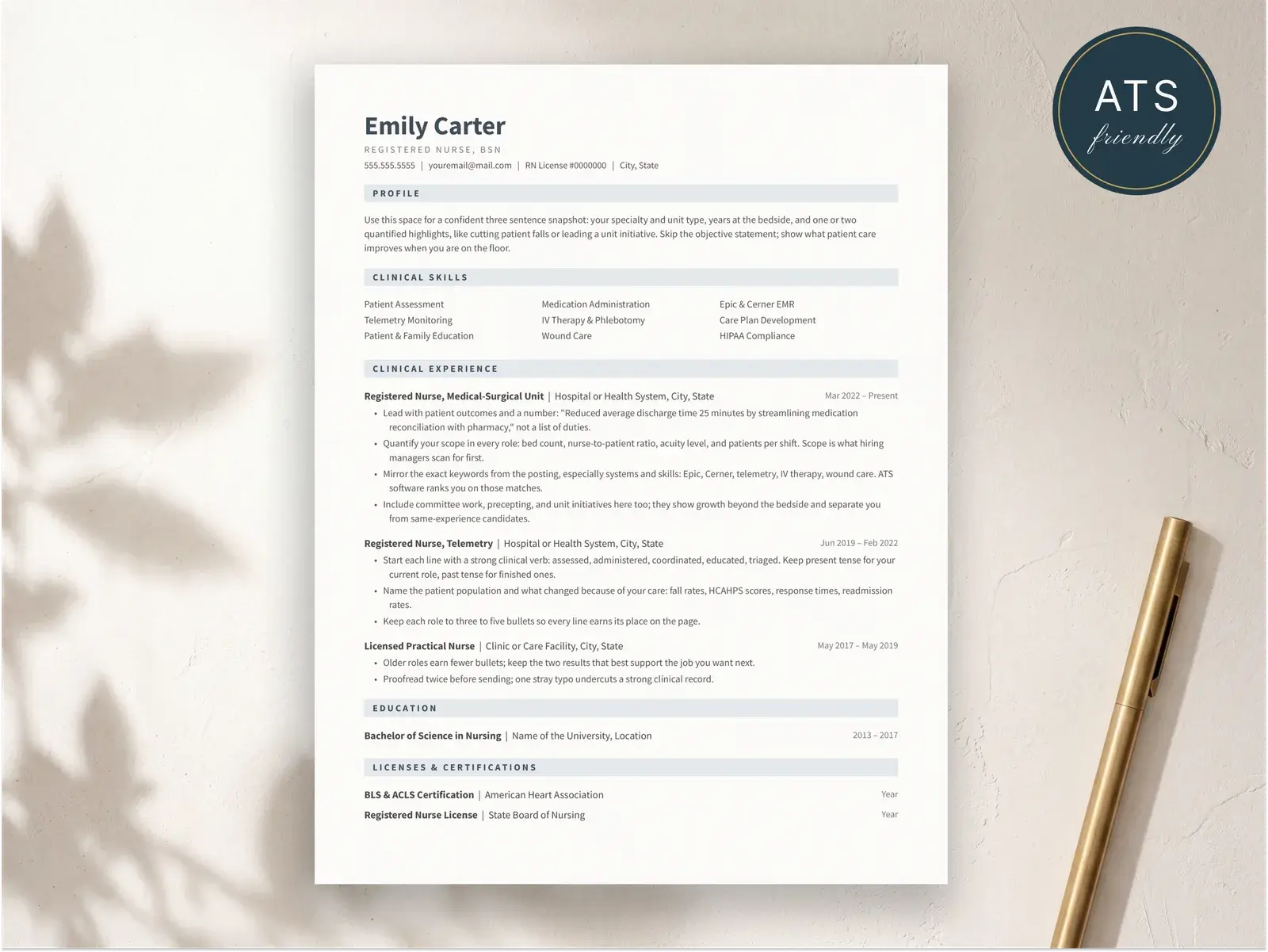
The section order
- Header: name with credentials — “Maria Santos, BSN, RN” — plus phone, email, city.
- Summary: three lines, covered below.
- Licenses & certifications: its own labeled section, high on the page.
- Education: BSN/ADN, school, graduation date — plus GPA if 3.5+ and honors. (Formatting rules here; if you’re still pre-graduation, see the nursing student resume version instead.)
- Clinical experience: the biggest section, built from rotations.
- Skills: clinical + EHR keywords, grouped.
- Prior work experience: brief. A server job proves reliability, multitasking, and staying calm with difficult people — all of which nurse managers value. One or two lines per job.
License and certifications: visible in two seconds
LICENSES & CERTIFICATIONS
Registered Nurse — Texas Board of Nursing, License #941283 (2026)
Basic Life Support (BLS) — American Heart Association, exp. 2028
Advanced Cardiovascular Life Support (ACLS) — AHA, exp. 2028
If you haven’t tested yet, say exactly where things stand: “RN license pending — NCLEX scheduled August 14, 2026.” Recruiters hire new grads on pending licenses constantly; what they can’t work with is ambiguity. Getting ACLS before your first application is one of the few cheap ways a new grad resume can jump the stack — many of your cohort will only have BLS.
Clinical rotations, written like experience
Roughly 700 hours of supervised practice is real clinical exposure — the mistake is compressing it into one line (“completed clinical rotations in various units”). Expand it. Each substantial rotation gets a job-style entry:
CLINICAL EXPERIENCE — 780 total hours
Capstone Preceptorship, Medical ICU — Memorial Hermann, Houston
Spring 2026 | 180 hours
• Managed care for 2 ICU patients per shift under preceptor supervision, including ventilated patients on titratable drips
• Performed head-to-toe assessments, med administration, and hourly documentation in Epic
Medical-Surgical Rotation — St. Luke’s Health, Houston
Fall 2025 | 150 hours
• Provided direct care for 3–4 patients per shift: wound care, Foley insertion, IV therapy, discharge teaching
Order rotations by strength, not date — capstone and specialty-relevant rotations first. Name the hospital, count the hours, and name the EHR: those are the three details recruiters look for and students most often leave out.
The three-line summary
BSN graduate and licensed RN applying to Memorial Hermann’s Medical ICU residency. 780 clinical hours including a 180-hour MICU capstone preceptorship; BLS and ACLS certified, Epic-trained. Praised by preceptors for calm task prioritization during rapid responses.
Name the actual program when applying to residencies — cohort screeners can tell a targeted application from a broadcast in one line. Then make sure the skills section underneath backs the summary with the exact keywords from the posting; the full keyword playbook is in skills for a nursing resume .
The full picture
MARIA SANTOS, BSN, RN
Houston, TX | (555) 902-3341 | maria.santos@email.com
[Summary — 3 lines as above]
LICENSES & CERTIFICATIONS
RN — Texas #941283 • BLS • ACLS
EDUCATION
Bachelor of Science in Nursing — University of Texas at Arlington
May 2026 | GPA 3.7, Sigma Theta Tau honor society
CLINICAL EXPERIENCE — 780 hours
[Rotation entries as above: MICU capstone, med-surg, L&D, peds]
SKILLS
Clinical: assessment • IV therapy • med administration • wound care • telemetry | Systems: Epic EHR
ADDITIONAL EXPERIENCE
Server — Olive Garden (2022–2025): high-volume service, consistently requested for training new staff
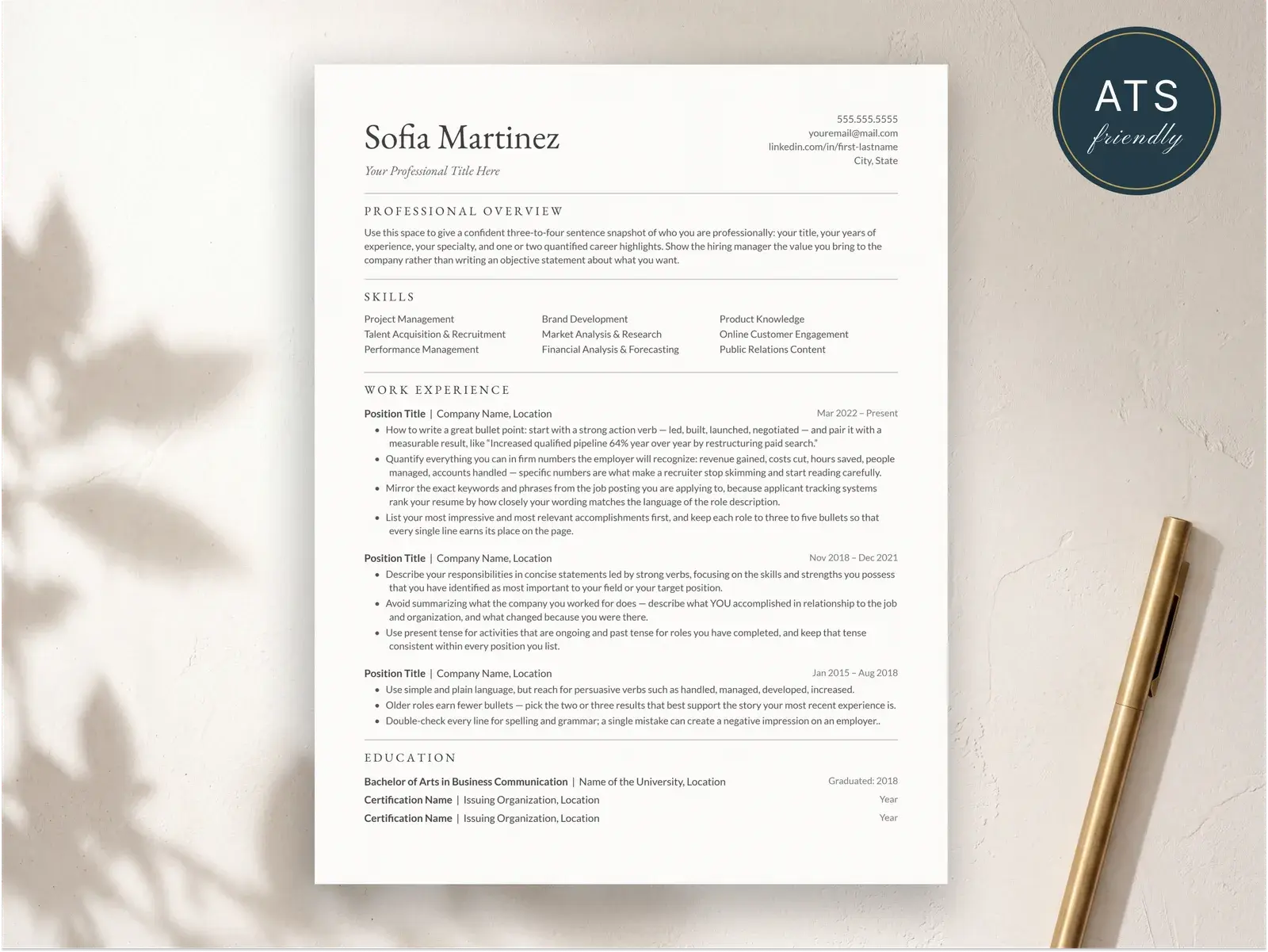
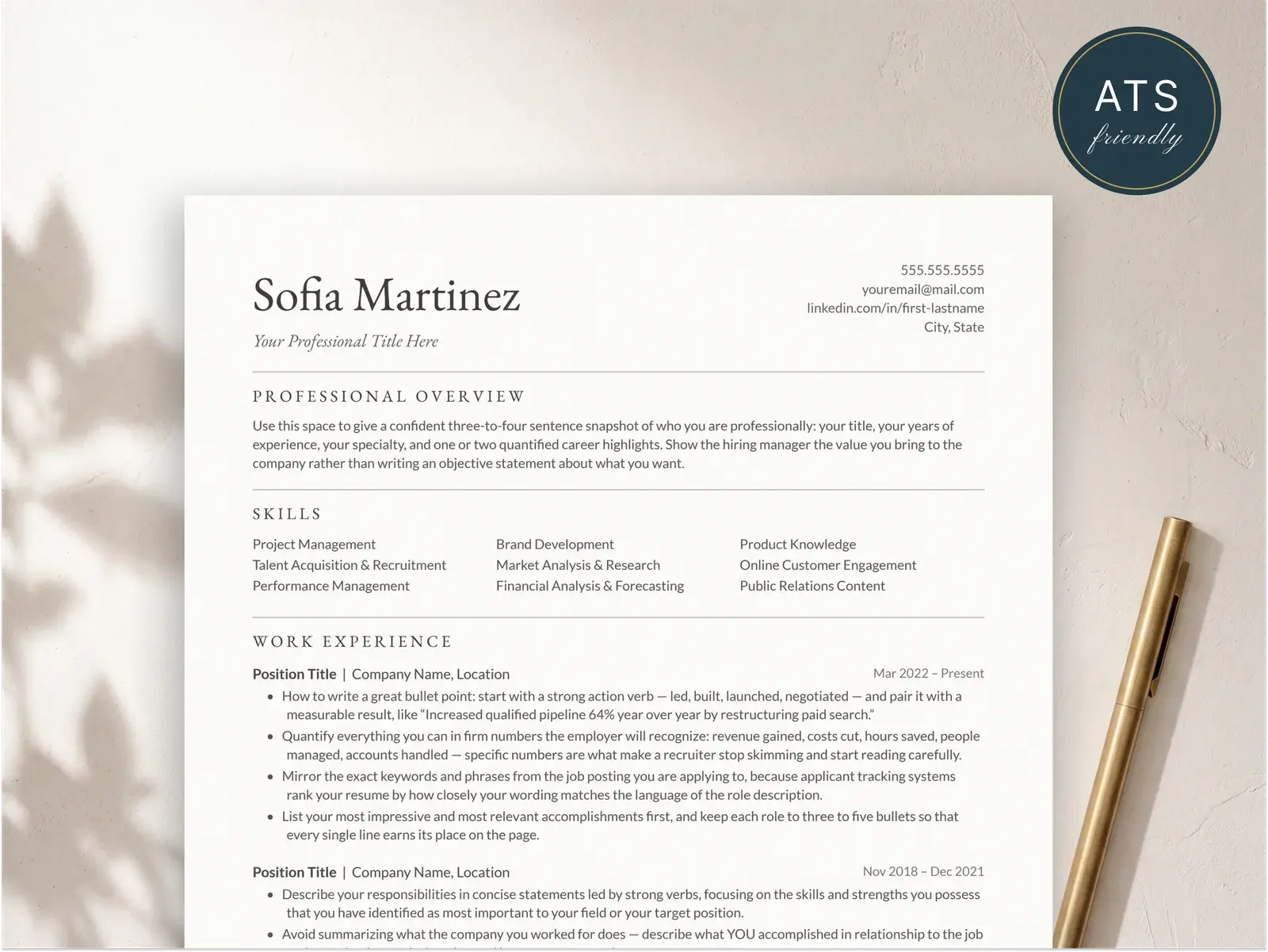
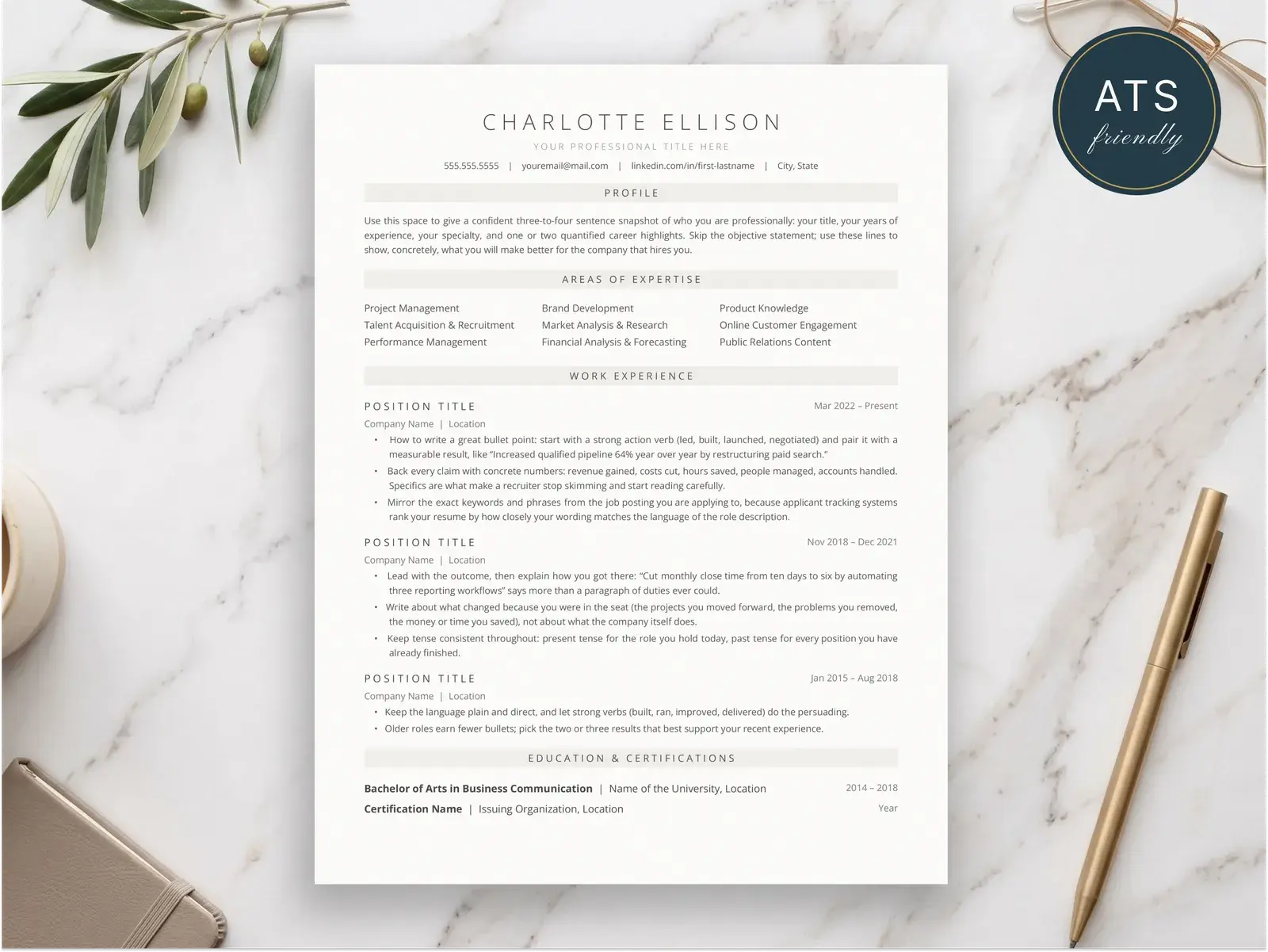
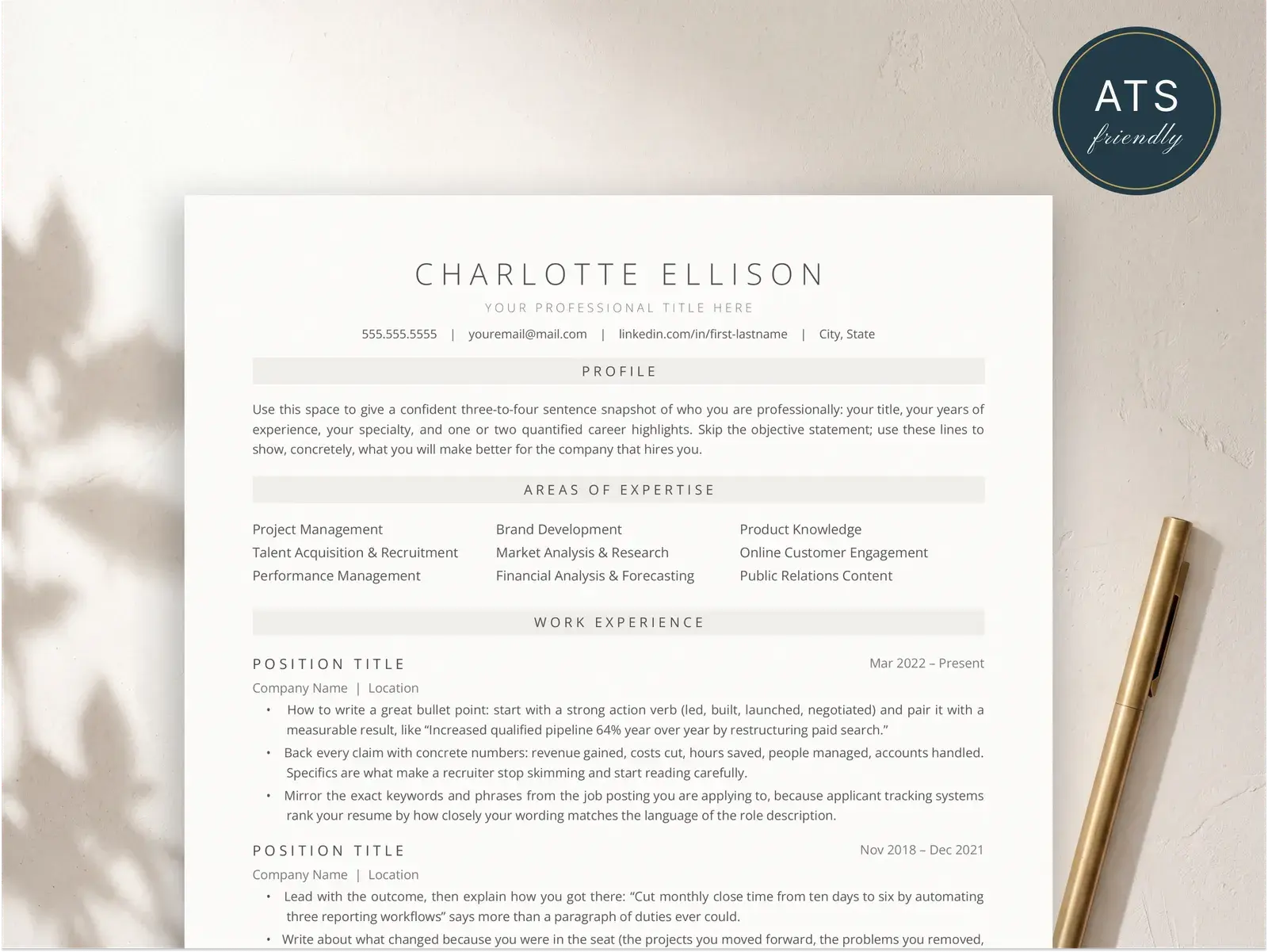
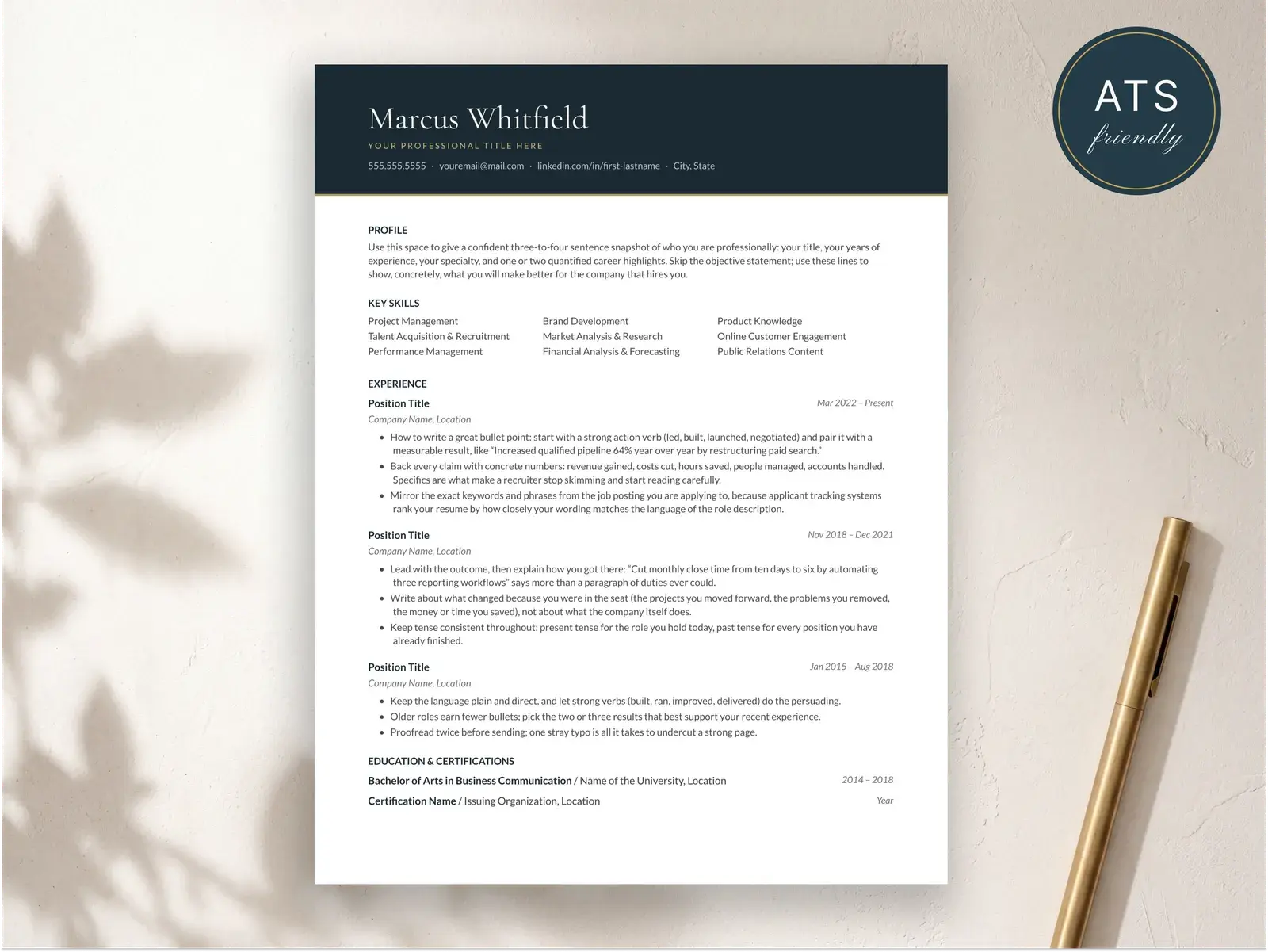
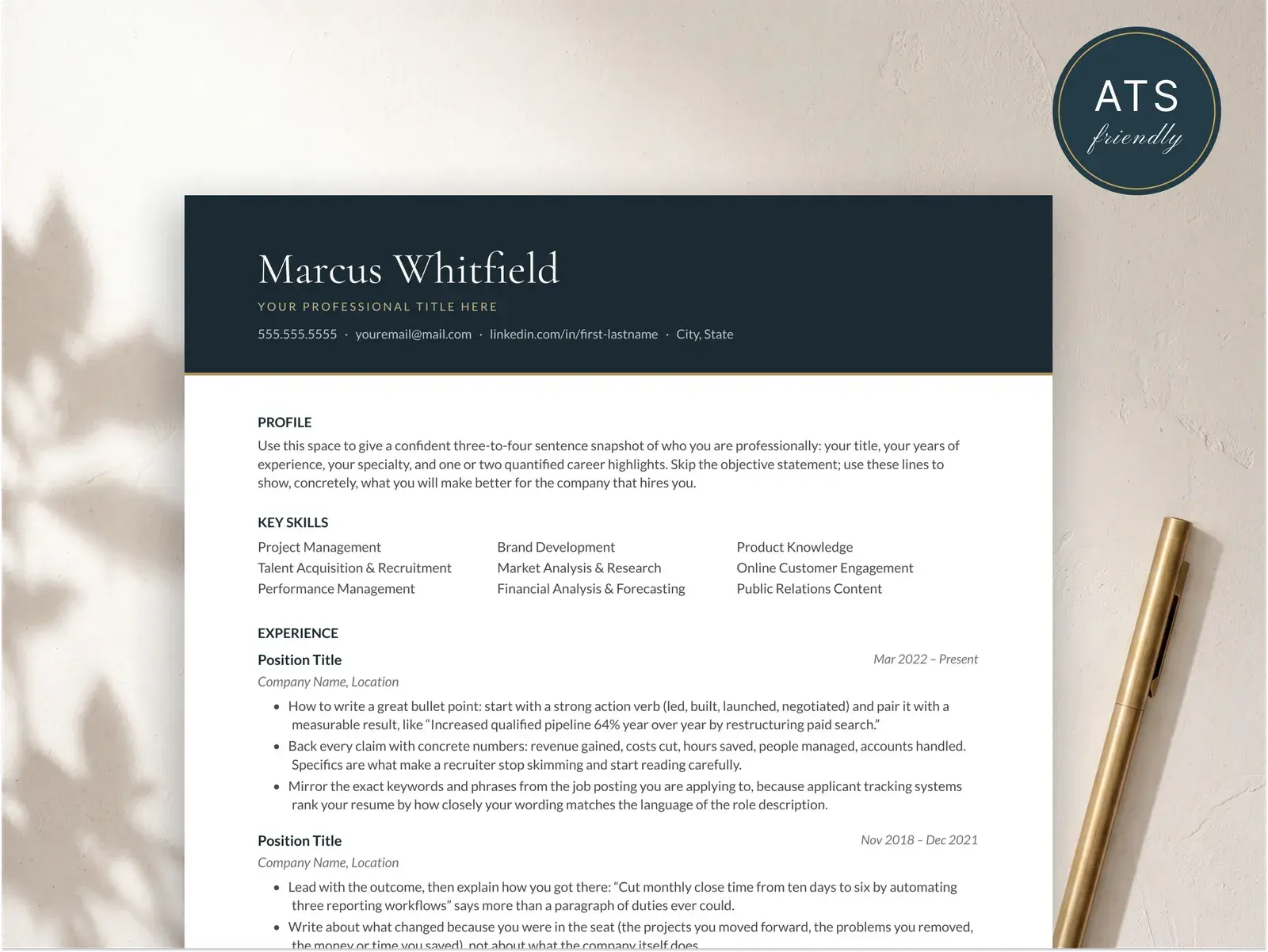
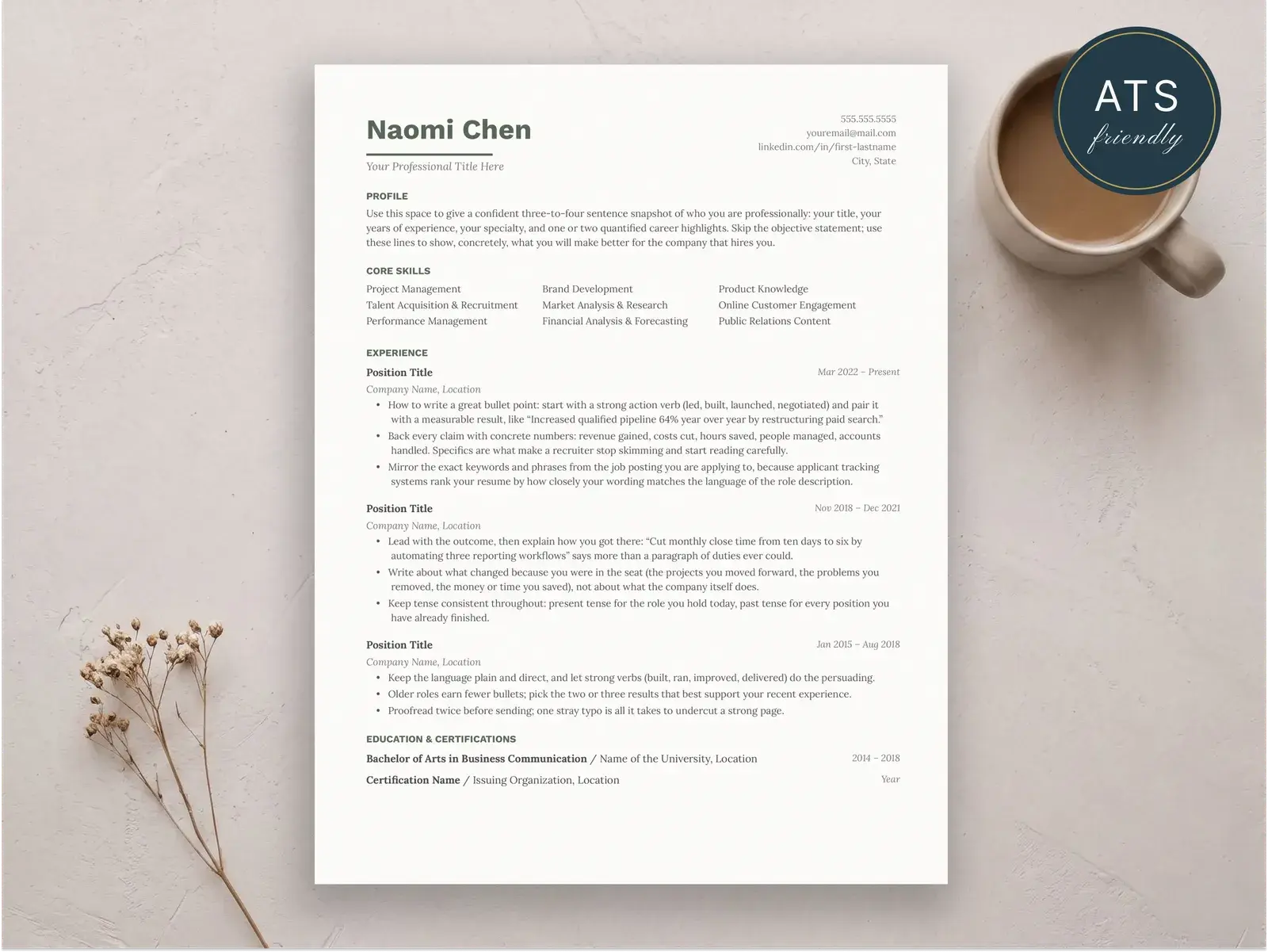
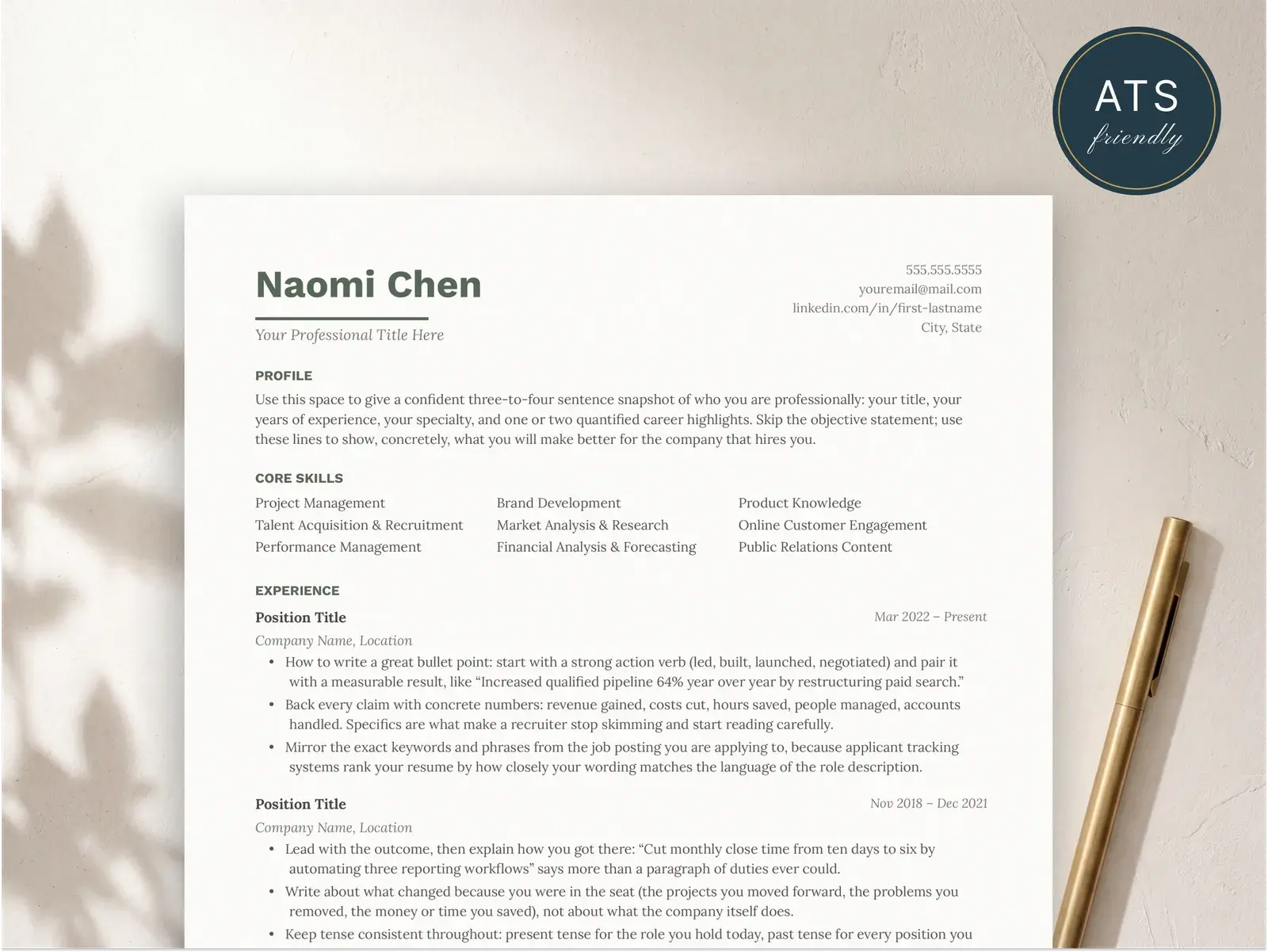
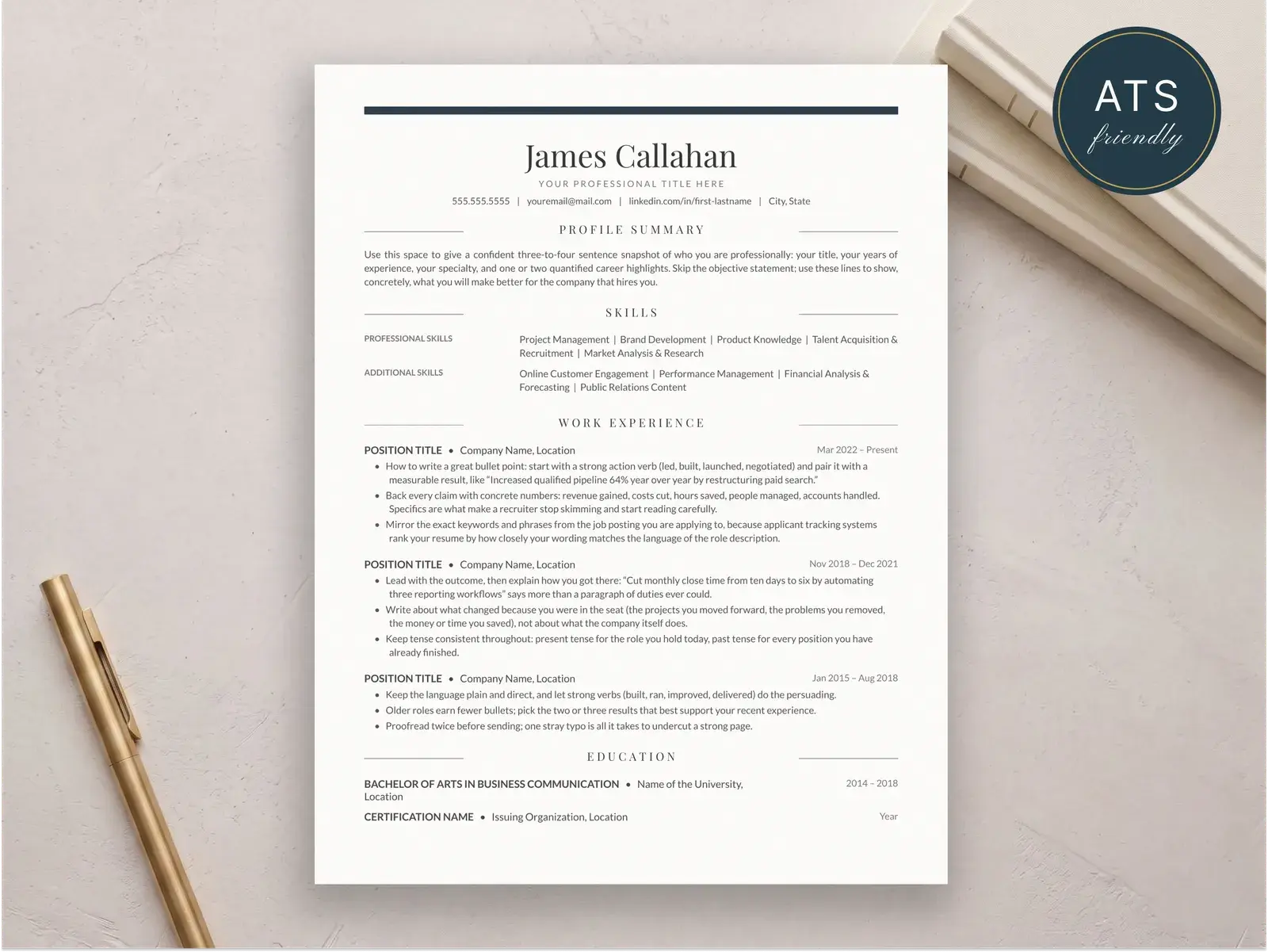
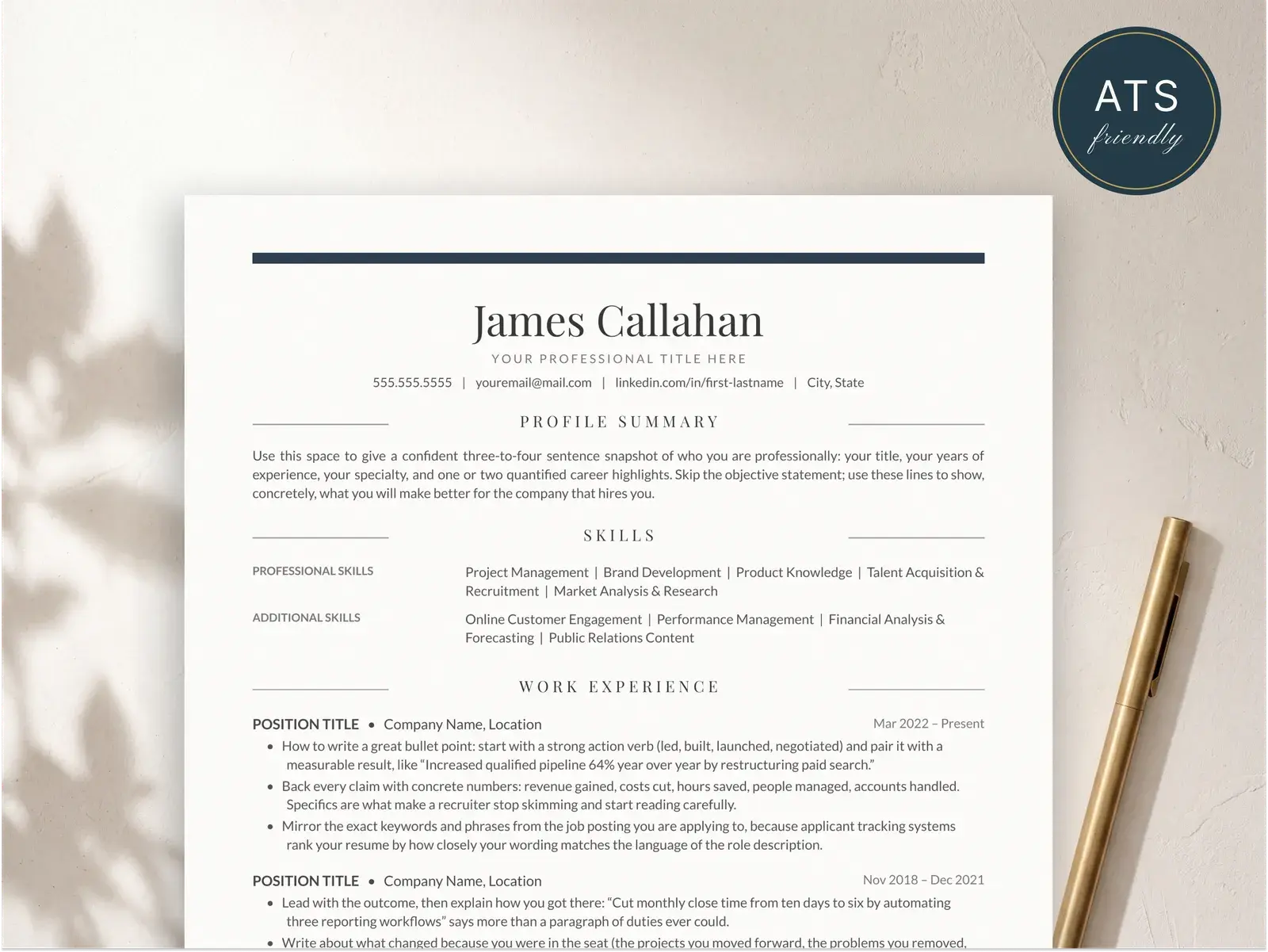
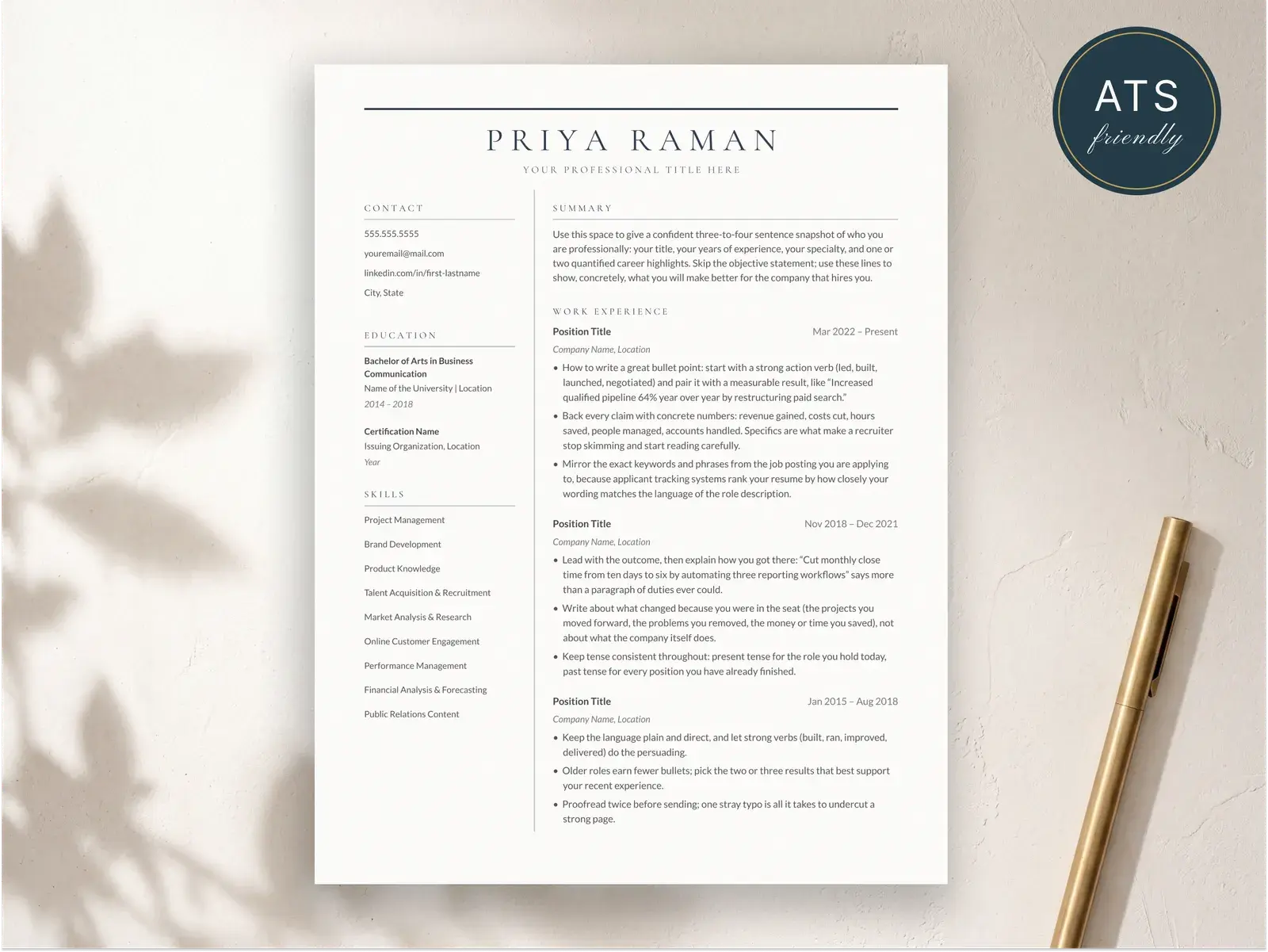
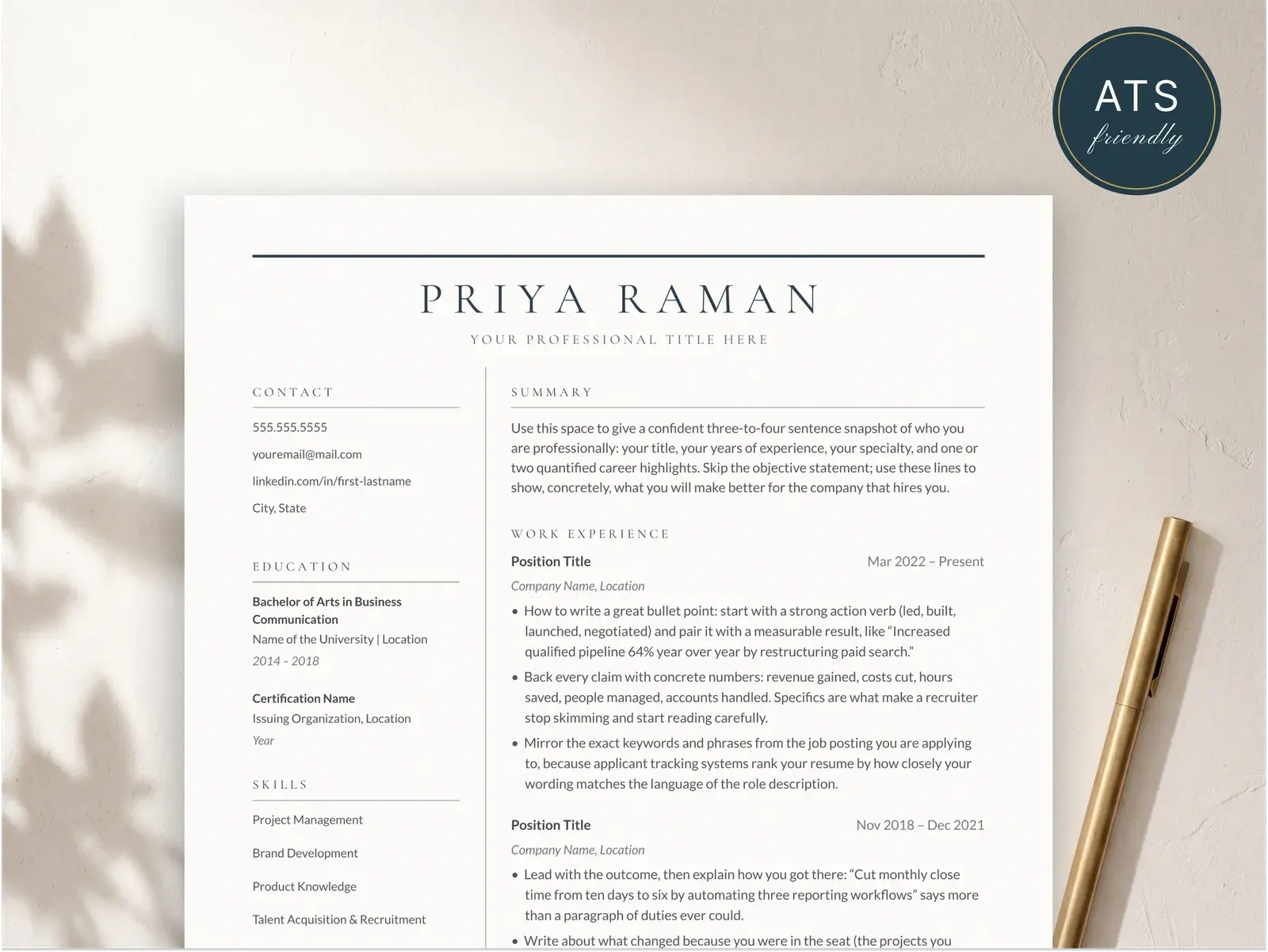
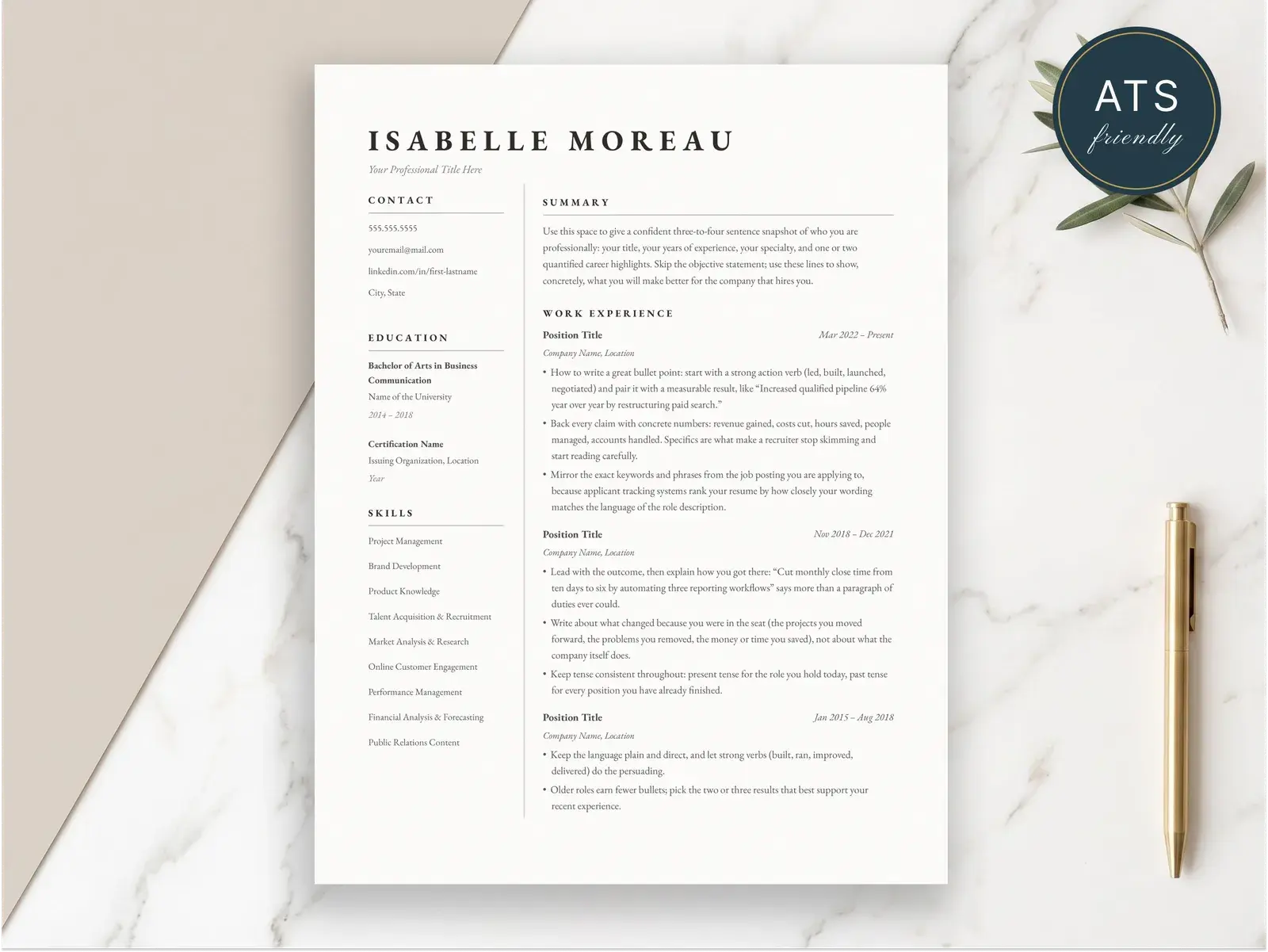
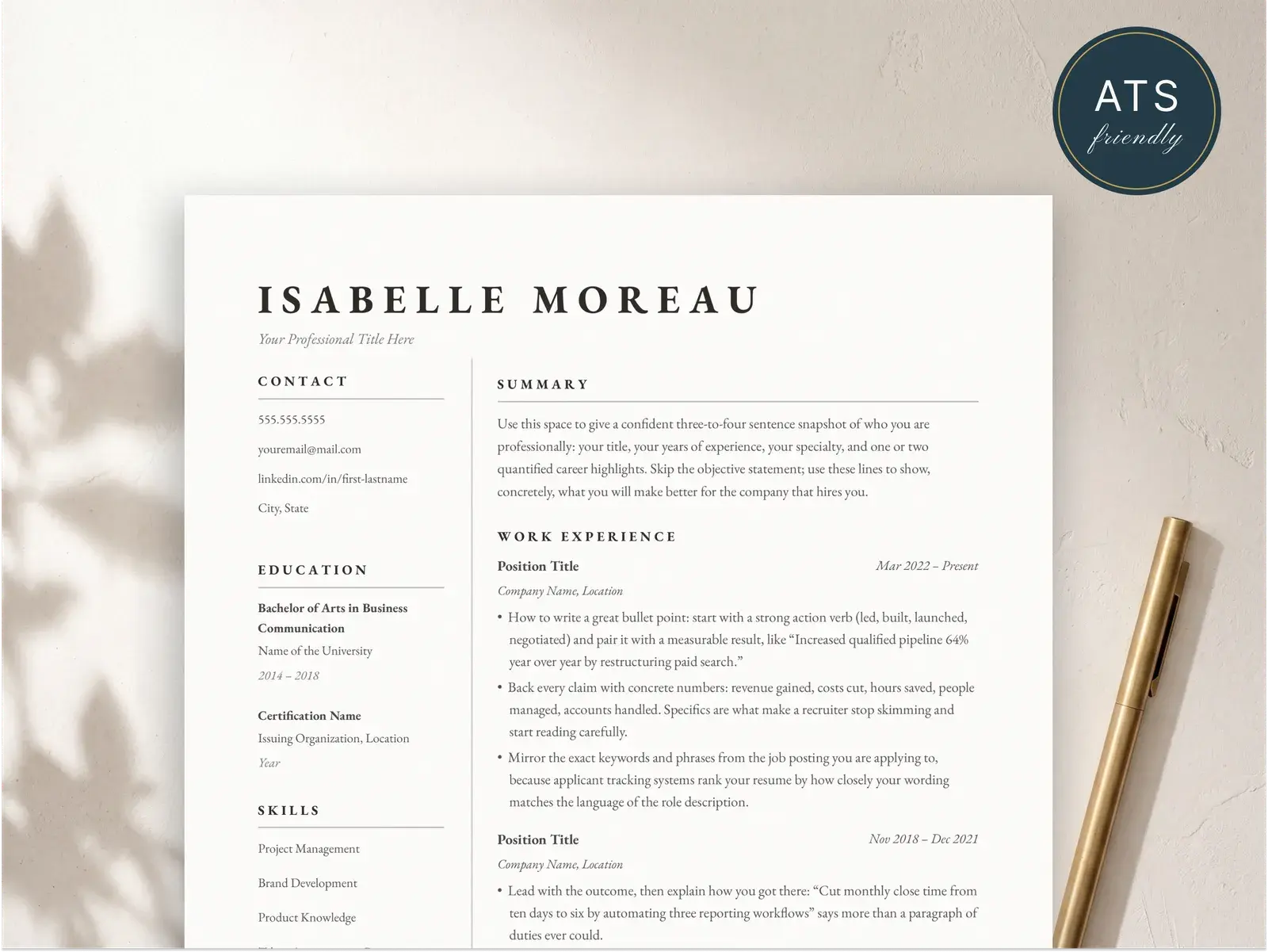
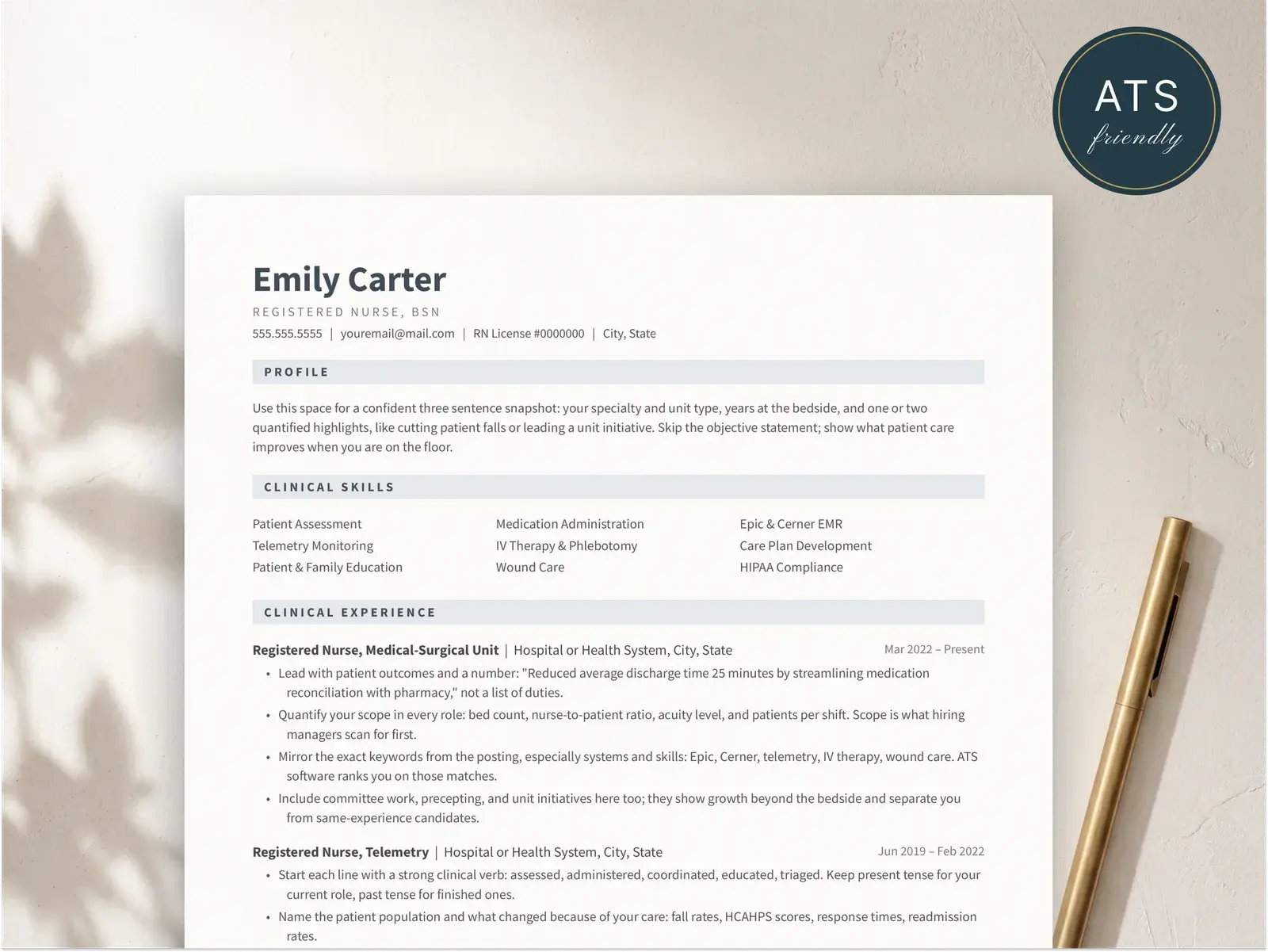
Use a clean single-column layout — hospital ATS systems are unforgiving of columns and graphics, and a healthcare resume template built for parsing keeps the focus on the content.
The mistakes that cost new grads interviews
- Rotations compressed to one line — the single most common waste of a new grad’s best material.
- License status buried or missing — the first thing checked should never require hunting.
- “Compassionate team player” summaries — every applicant says it; hours, units, and certifications say something.
- One resume for every posting — an ICU residency application should lead with the ICU capstone; a peds application with the peds rotation. Ten minutes of reordering per application, tracked in a simple tracker since new grad cohort deadlines cluster in the same two months.