What a good summary does
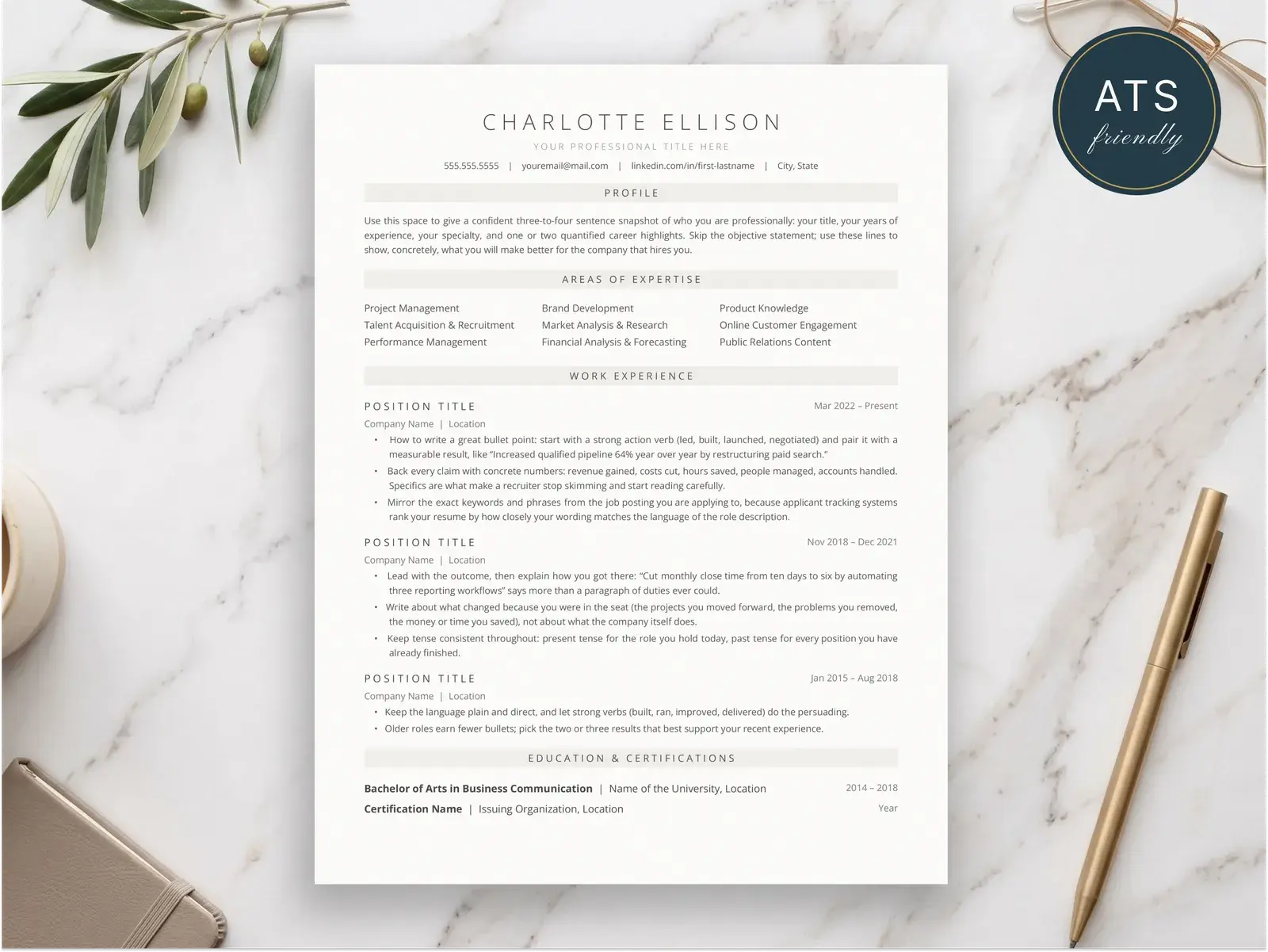
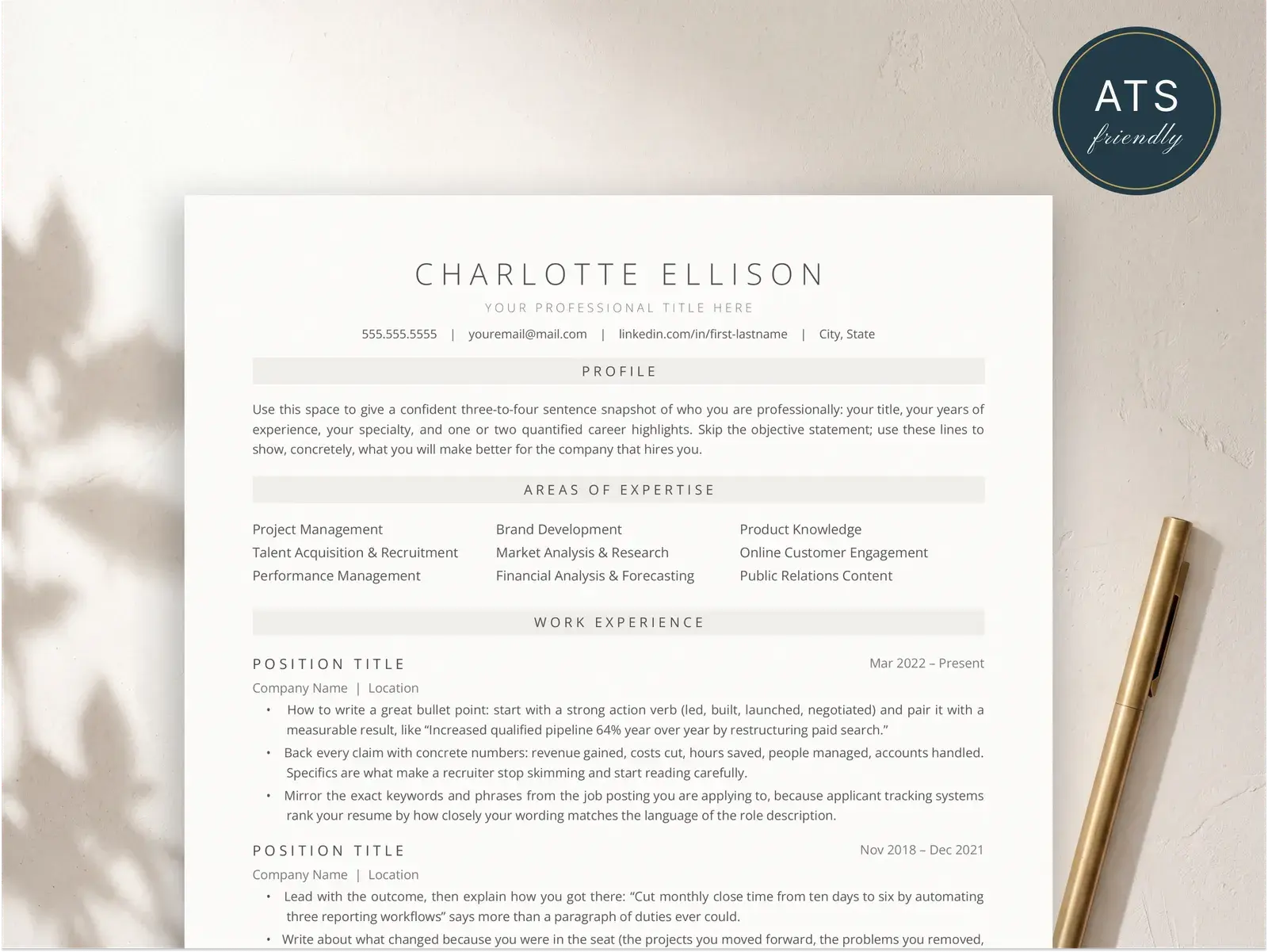
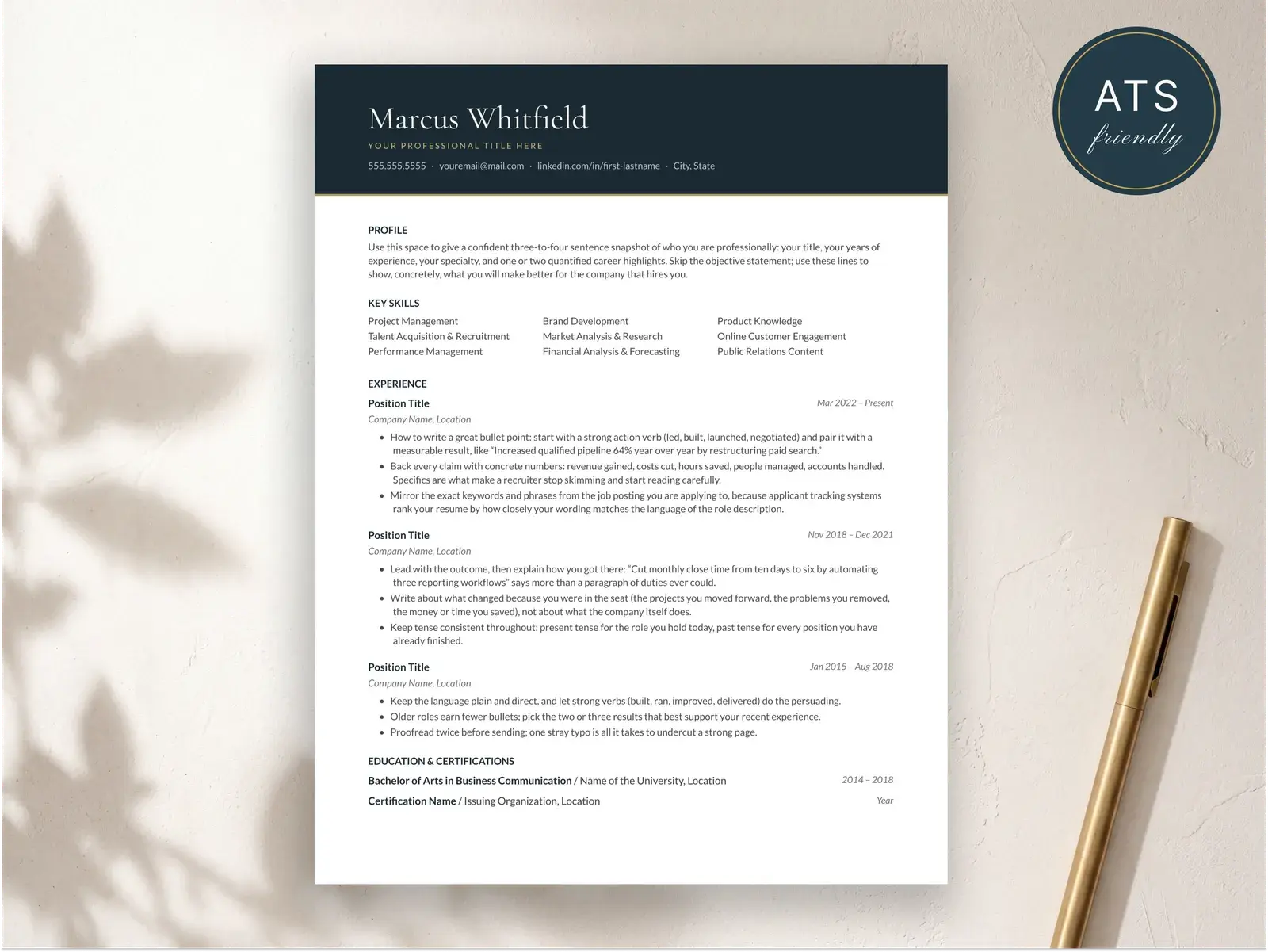
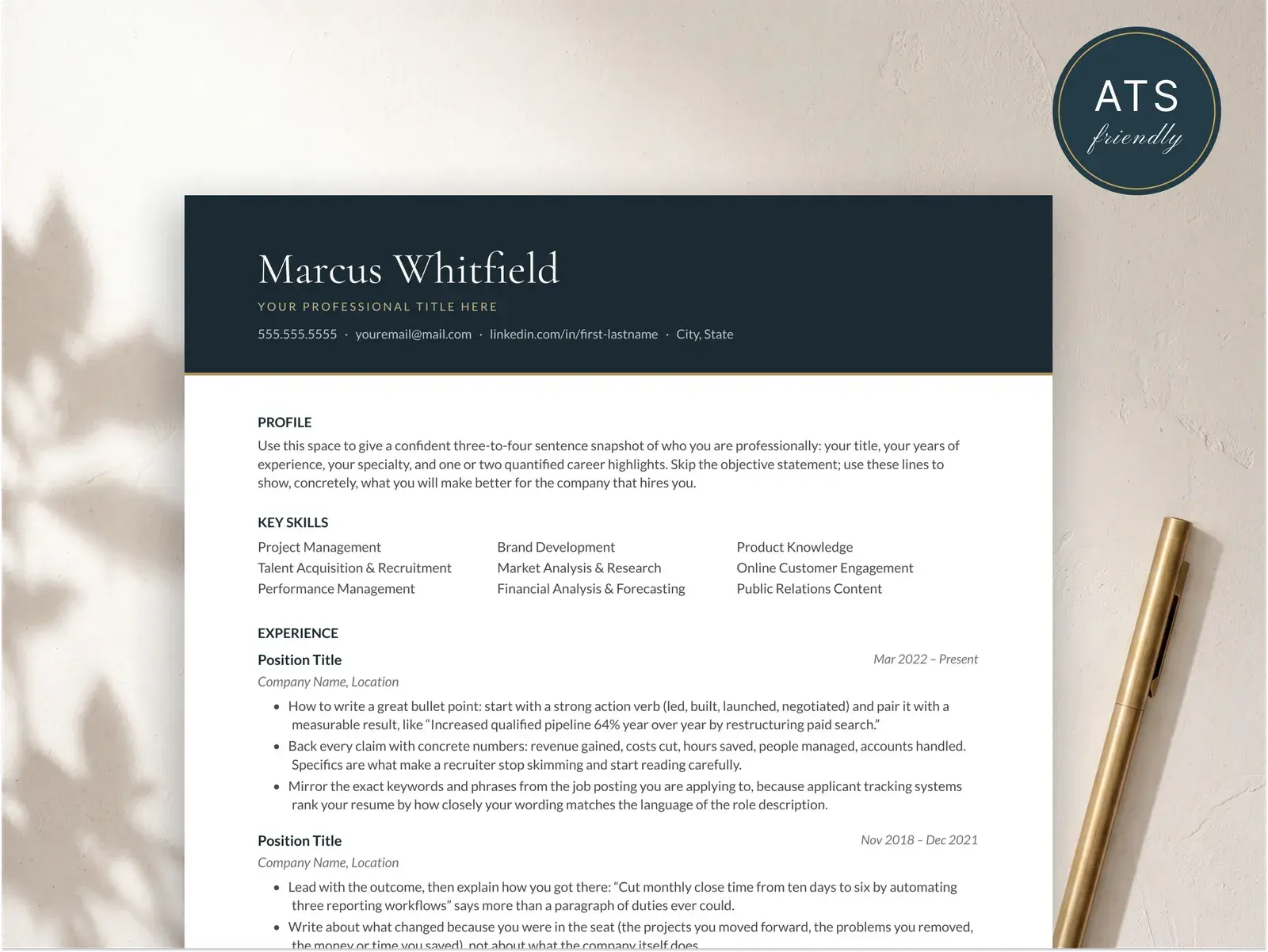
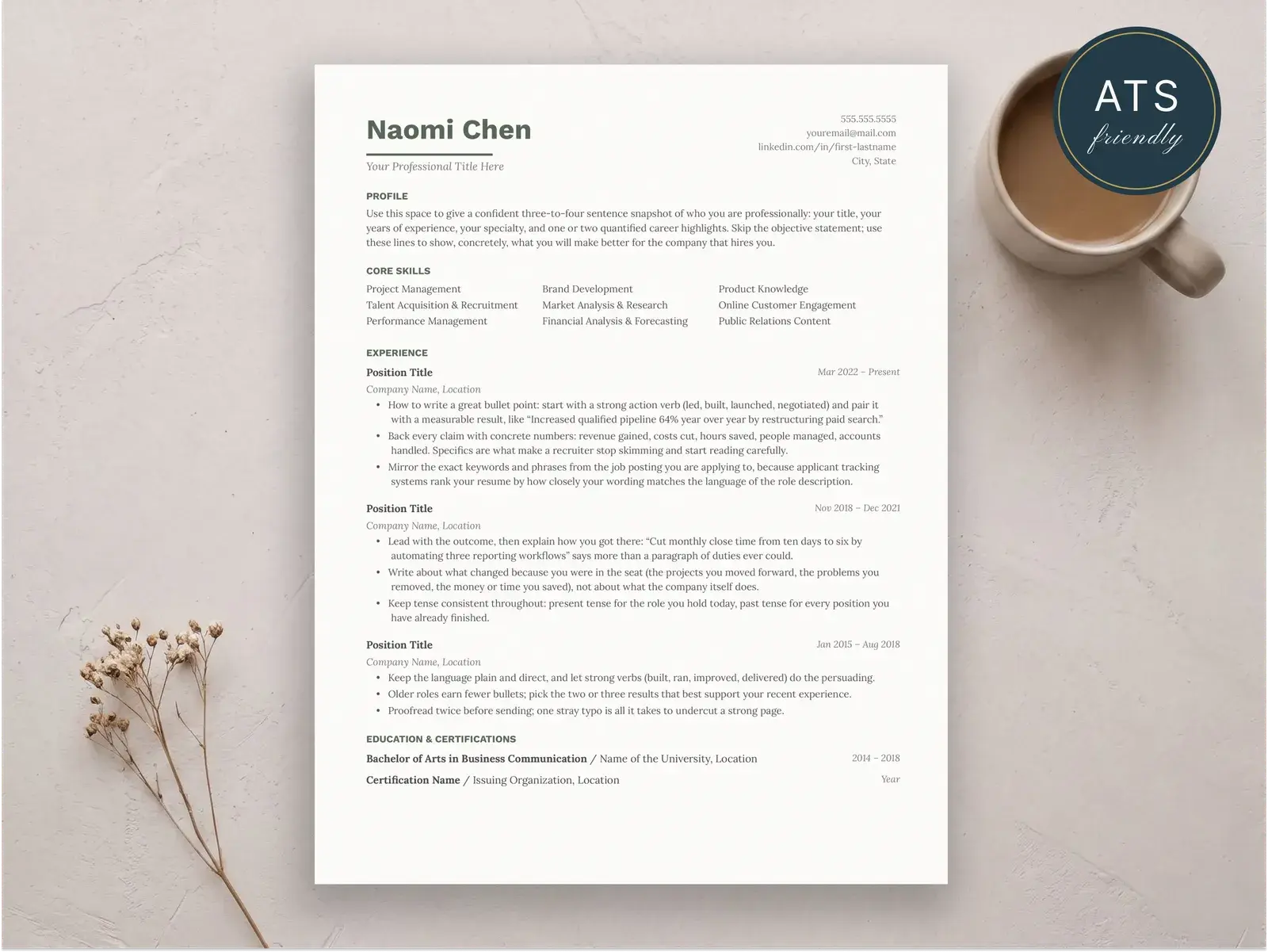
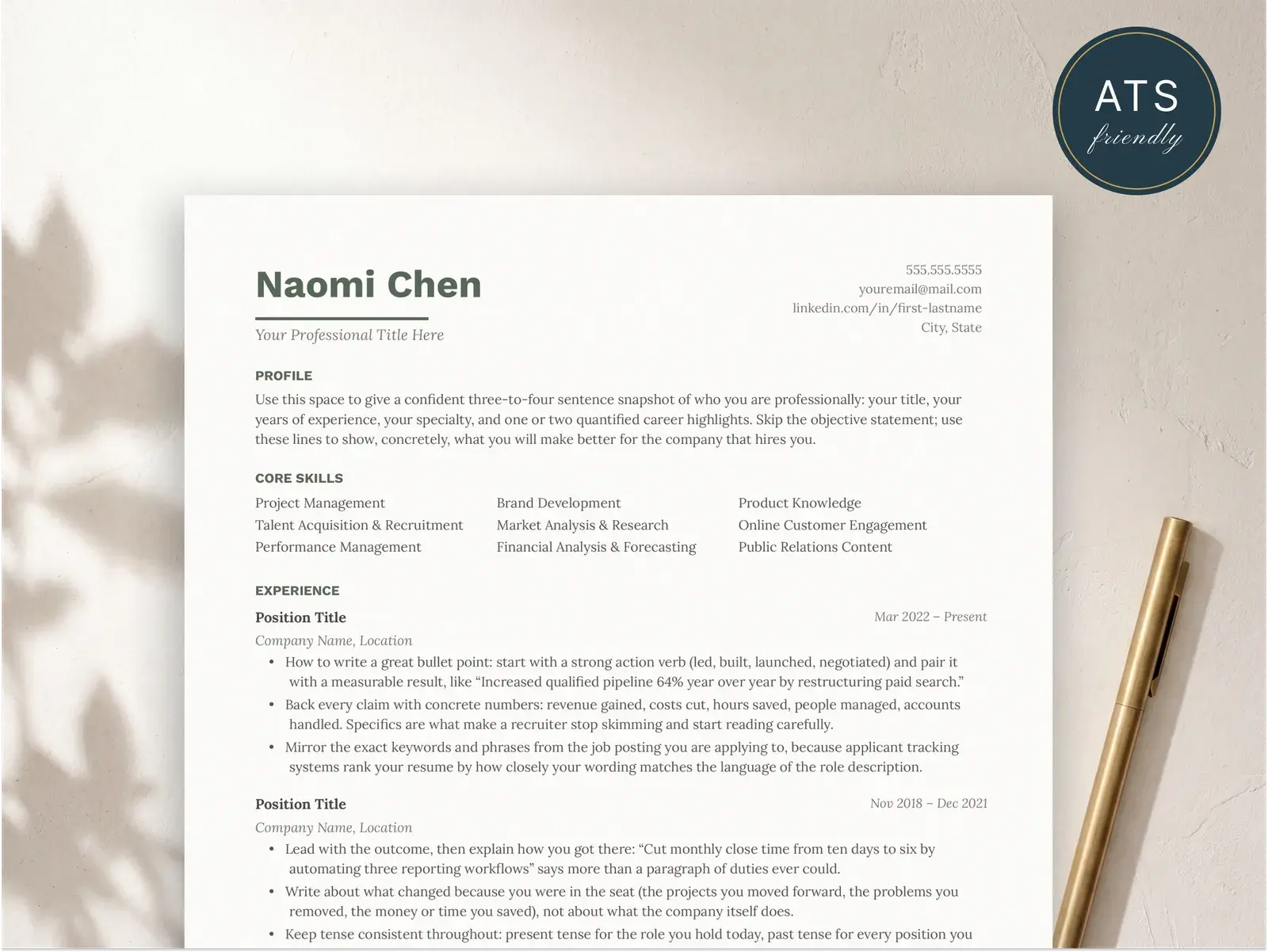
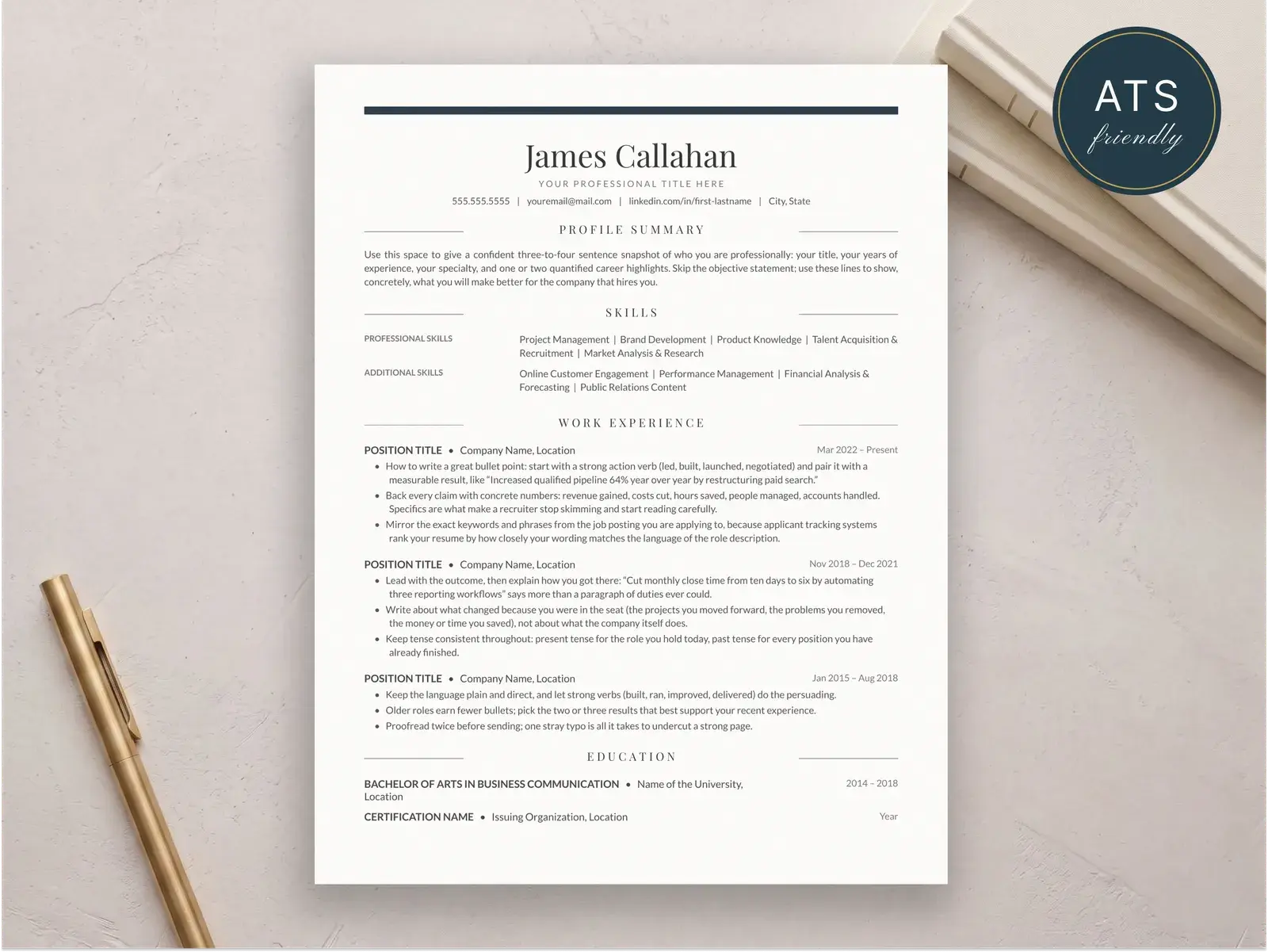
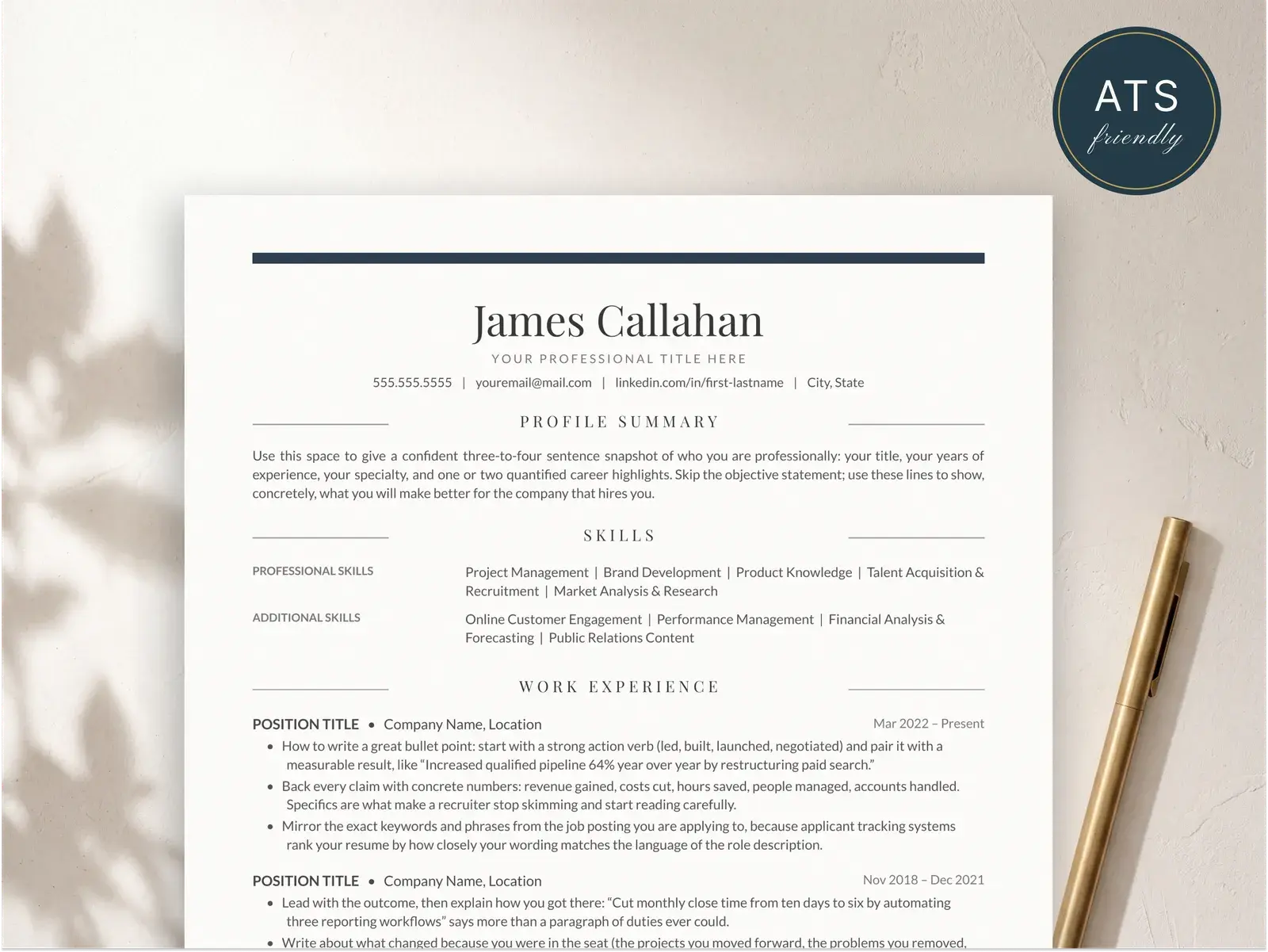
A resume summary is the 2–4 sentence paragraph that sits at the top of your resume, just below your contact information. It tells the reader who you are professionally, what you’ve done that’s worth their attention, and what kind of role you’re aiming at next. It’s the only section every recruiter reads — most of them in under five seconds.
The summary is not an objective statement. An objective tells the employer what you want. A summary tells the employer what you bring. The shift seems small, but it changes everything about how the rest of your resume is read. Lead with what you offer.
Keep it to 3–4 sentences. Anything shorter feels thin; anything longer turns into a second cover letter that nobody asked for. About 50–70 words is the sweet spot. For the version of this argument that goes deeper on technique, see the original professional summary guide.
What a good resume summary actually does
A good summary answers three questions in the time it takes a recruiter to scan four lines:
- Who is this person, professionally? Your job title, level, and years of experience. State them plainly.
- What have they actually done?One result that proves it — a number, an outcome, a project that matters.
- What do they want next?A direction, not a wish. “Looking to lead demand generation at a Series B SaaS company” beats “seeking a challenging opportunity” by a mile.
If your summary doesn’t answer those three questions, it’s filler. Cut it and rewrite.
The 4-line anatomy of a strong summary
Every summary in this article follows the same structure. The voice and emphasis change by role and experience level, but the underlying skeleton is always:
Line 1
Your title and experience. "Marketing manager with 6 years of B2B SaaS experience" — not "passionate professional with extensive background."
Line 2
Your specialty. Narrow the focus. Are you a paid acquisition marketer or a content marketer? Are you an ICU nurse or a med-surg nurse? Get specific.
Line 3
One result. A number, a percentage, a dollar amount, or a project outcome. One. Pick the most relevant to the job, not the most impressive.
Line 4
What you're aiming at next. A direction that aligns with the role you're applying for. This tells the recruiter you've read the posting.
That’s it. Title, specialty, proof, direction. The examples below all follow this skeleton even when they don’t break cleanly into four sentences.
Entry-level and recent graduate summaries
Marketing graduate, one internship
“Recent marketing graduate from Boston University with internship experience in B2B email and content marketing. Grew an email list from 1,200 to 4,800 subscribers in a single summer through a welcome series and SEO-driven blog content. Looking to start a full-time marketing coordinator role at a B2B SaaS company focused on content-led growth.”
Why it works: Maya doesn't pretend to be experienced. She names her one real result with a real number and aims at a specific kind of role (B2B SaaS, content-led). The recruiter knows in three sentences whether she fits.
Computer science graduate, no internship
“Recent computer science graduate from the University of Michigan with strong fundamentals in algorithms, distributed systems, and full-stack web development. Built and shipped a course-registration tool used by 2,000+ students during a senior capstone project, including a React frontend, FastAPI backend, and Postgres database. Eager to join a product engineering team where I can deepen my work in TypeScript and backend API design.”
Why it works: No internship, no problem — the capstone project does the work, with a real user count and a specific stack. The closing sentence names the technologies the job posting probably mentions, which helps with both human and ATS reads.
Accounting graduate
“Accounting graduate from the University of Florida (Beta Alpha Psi, 3.8 GPA) with internship experience in audit at a regional CPA firm. Supported audit fieldwork on 4 mid-market manufacturing clients during a summer rotation, including testing controls, walkthroughs, and substantive analytical procedures. Currently sitting for the CPA exam and looking to start full-time at a Big 4 or large regional firm in the audit practice.”
Why it works: The accounting hiring process screens for credentials and exam status — Lara surfaces both in three sentences. She names specific audit work she actually performed, which differentiates her from candidates who just list 'audit internship.'
Career changer summaries
Teacher to instructional designer
“Former middle-school English teacher transitioning into instructional design after completing the ATD Master Instructional Designer certificate and shipping three freelance Articulate Storyline projects in the last year. Strong background in curriculum design, assessment writing, and adapting content for mixed skill levels — most recently designing a 4-module compliance training that lifted post-assessment scores from 68% to 91%. Looking to design corporate learning programs for a company that takes employee development seriously.”
Why it works: Hannah names the pivot in the first six words, then immediately surfaces evidence she's already doing the new job (certificate, three freelance projects, a result). She doesn't apologize for the career change — she explains it with proof.
Military to project management
“U.S. Army logistics officer transitioning to civilian project management after 8 years leading teams of up to 65 personnel on multi-million-dollar supply and maintenance operations across two deployments. PMP-certified (2024), with proven experience in resource planning, risk management, and cross-functional coordination under time pressure. Targeting a project manager role at a logistics, manufacturing, or infrastructure company that values operational discipline.”
Why it works: Daniel translates military experience into civilian language without losing the scale signals — team size, budget, operational scope. The PMP certification is the bridge that proves he's already speaking the civilian PM dialect.
Mid-career professional summaries
Software engineer (5 years)
“Full-stack software engineer with 5 years of experience building production web applications in TypeScript and Python. Rebuilt a checkout flow that lifted purchase completion from 71% to 85% and shipped a real-time inventory service supporting 1.8M daily requests. Looking for a senior engineering role at a product-focused company where backend systems directly affect customer outcomes.”
Why it works: Two results, both with real numbers, both relevant to backend or full-stack hiring. The closing sentence reveals what Devon cares about — useful filtering signal for both sides.
Marketing manager (6 years)
“B2B marketing manager with 6 years of demand generation and lifecycle marketing experience at two SaaS companies. Generated $9.2M in sourced pipeline last year — 42% of total company pipeline — across paid, content, and lifecycle channels on a $1.4M annual budget. Looking to step into a senior manager or director role at a Series B or C company scaling its go-to-market motion.”
Why it works: Ben quantifies pipeline contribution as a percentage of company total, which is the single metric a VP of Marketing cares about most. He also names the budget, which signals scope of responsibility.
Project manager (7 years)
“Project manager with 7 years of experience delivering enterprise software implementations and digital transformation programs in the financial services sector. Most recently led a $4.2M, 14-month core banking system migration across 8 branches and 240 end users, delivered on schedule with zero unplanned downtime at cutover. PMP-certified and seeking a senior PM or program manager role at a fintech or large bank.”
Why it works: The most recent project carries the resume — budget, duration, scope, and outcome are all named in one sentence. The industry specificity signals the complexity the candidate is built for.
Registered nurse (5 years)
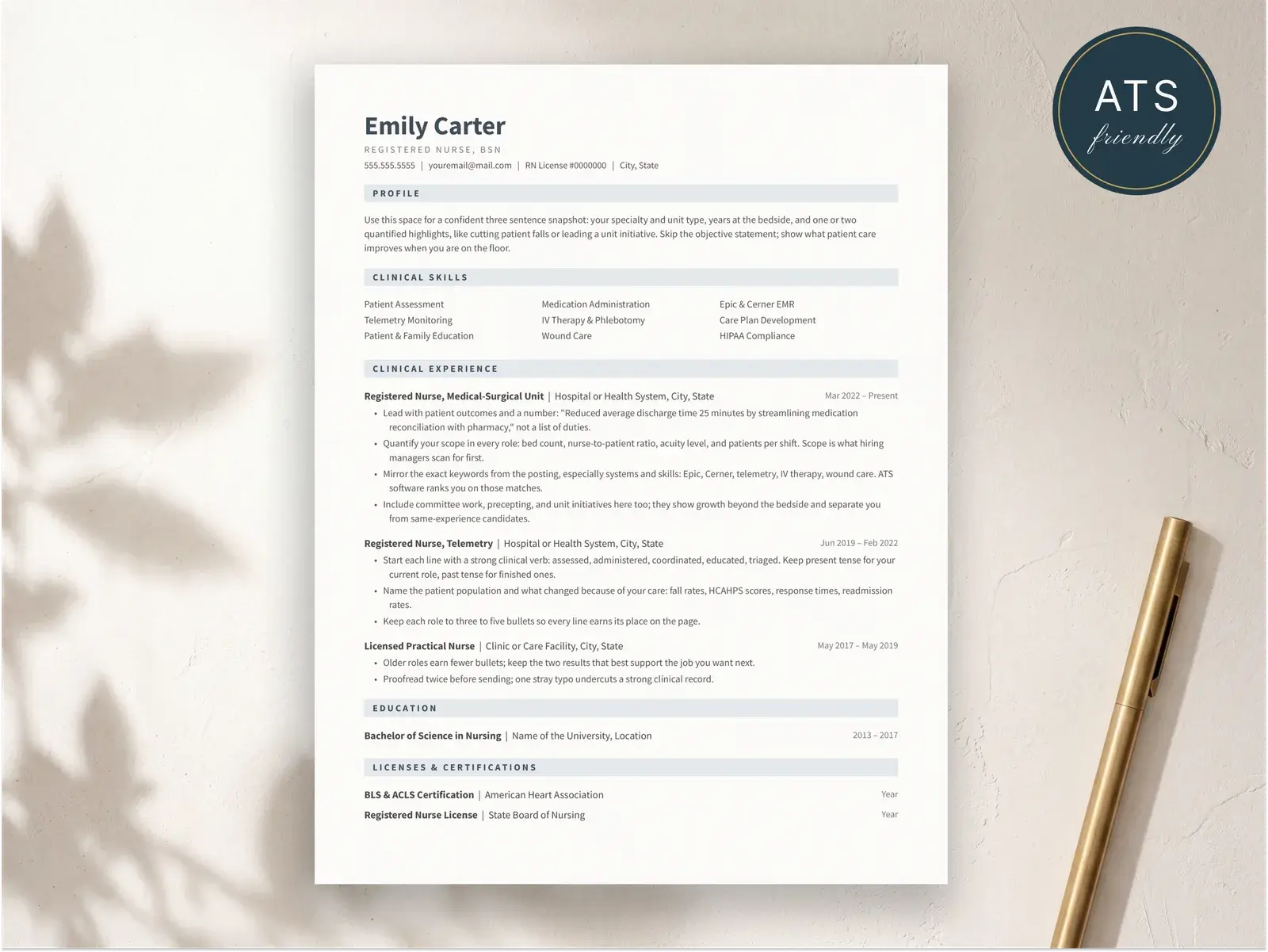
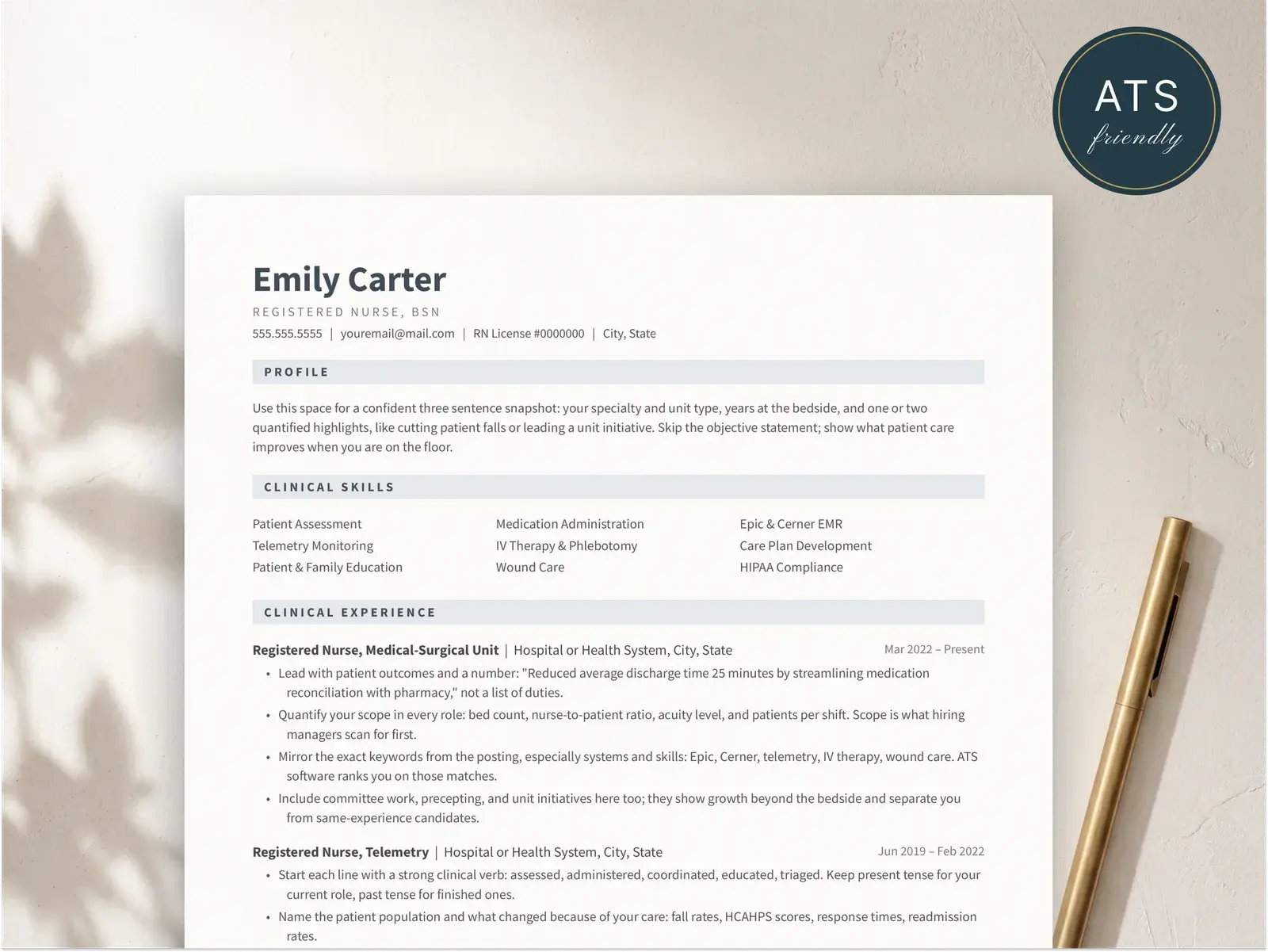
“Med-surg registered nurse with 5 years of acute care experience at a Level I trauma teaching hospital, currently precepting new graduate nurses and serving as a unit-based council representative. Skilled in high-acuity assessments, multi-drip titration, and patient family communication during long admissions. Looking to move into a charge nurse role on a step-down or progressive care unit.”
Why it works: The summary lists clinical depth (med-surg, Level I, precepting, council rep) in a way nursing managers immediately recognize. The closing sentence names the exact next role, which makes the reader's mental match-check easier.
Senior and executive summaries
VP of Operations
“Operations executive with 18 years of experience scaling supply chain, distribution, and fulfillment for high-growth consumer and industrial companies. Currently lead a 320-person operations organization with $180M in annual budget across 6 distribution centers in North America. Track record of taking on cost-heavy operations and turning them into efficient, measurable systems — most recently cutting unit fulfillment cost by 22% over 24 months at a $400M company.”
Why it works: Three big-number signals (people, budget, sites) sit in the second sentence, exactly where a board-level recruiter looks for proof of scope. The third sentence names a specific outcome attached to a company size, so the cost reduction isn't a floating claim.
Chief Technology Officer
“Engineering leader with 16 years building and scaling platform organizations at consumer and B2B SaaS companies. Currently CTO at a 140-person Series C startup, where I grew the engineering team from 12 to 58 in 30 months while shipping a re-architected platform that supports a 4x increase in active users without a corresponding infrastructure cost increase. Looking for a CTO or SVP Engineering role at a Series C-D company preparing for the next stage of scale.”
Why it works: Sara names her current title, her team growth, and the architectural outcome in one paragraph. The closing sentence telegraphs exactly the stage of company she wants — useful for both recruiters and her own filtering.
Role-specific summaries
Backend software engineer
“Backend engineer with 7 years of experience designing distributed systems and payment infrastructure at fintech companies. Led a 6-engineer team that rebuilt a transaction settlement pipeline, cutting settlement time from 48 hours to under 4 and supporting $3.2M in daily transaction volume. Looking for a staff or principal engineering role where system reliability directly affects customer trust.”
Why it works: Marcus narrows the focus immediately to 'backend' and 'distributed systems' — recruiters screening for a frontend hire move on, and the right ones lean in. The dollar volume signals scale of impact.
ICU registered nurse
“ICU registered nurse with 6 years of critical care experience at a 24-bed adult medical-surgical ICU, including CRRT, IABP, and ECMO support. CCRN-certified and currently mentoring two new graduates through the unit's 16-week critical care residency. Looking to join a high-acuity cardiothoracic or neuro ICU at a teaching hospital.”
Why it works: Procedural skills (CRRT, IABP, ECMO) act as exact-match keywords for ICU hiring managers and ATS systems. The certification and the next-role aim land in two clean sentences.
Content marketing manager
“Content marketing manager with 6 years of experience scaling editorial and SEO programs for B2B SaaS companies. Grew organic traffic from 18,000 to 142,000 monthly visits over 24 months, contributing 38% of marketing-sourced pipeline by the end of last year. Looking to lead content at a Series A or B company ready to invest in long-term organic growth.”
Why it works: Olivia names the channels she owns (editorial, SEO), surfaces both a traffic number and a pipeline percentage, and signals the company stage she's targeting.
Construction project manager
“Construction project manager with 9 years delivering commercial ground-up and tenant-improvement projects ranging from $2M to $24M. Most recently completed an $18M mixed-use development on a 22-month schedule, finishing 6% under budget and with zero recordable safety incidents across 14 subcontractor crews. Targeting a senior PM or project executive role with a regional commercial GC.”
Why it works: Construction hires on budget range, schedule performance, and safety record. James names all three in one paragraph. The '$2M to $24M' range tells a hiring manager exactly the project size he's comfortable running.
Elementary school teacher
“Elementary school teacher with 8 years of experience in K-3 classrooms, currently teaching first grade at a Title I public school in Chicago. Raised reading proficiency on the unit-level assessment from 62% to 84% across two cohorts through a structured small-group rotation and weekly progress monitoring. Looking for a teaching role at a school that takes literacy instruction and teacher collaboration seriously.”
Why it works: Teaching resumes need outcome metrics, and Rachel surfaces a real classroom result tied to a real instructional move.
Mid-market account executive
“Mid-market account executive with 7 years of B2B SaaS experience selling HR tech and fintech into accounts up to $200K ARR. Hit 118%, 132%, and 127% of quota over the last three years with an average new-business deal size of $78K ARR. Looking to step into an enterprise AE seat at a Series C+ company working accounts above $200K ARR.”
Why it works: Three years of quota attainment in one sentence is the sales-leader's dream signal. Lucas also gives the deal size, the segment, and the explicit next-segment target — there's nothing left for the recruiter to guess.
Staff accountant
“Staff accountant with 4 years of experience in full-cycle GL accounting and month-end close at a $90M private manufacturing company. Reduced the close cycle from 11 business days to 6 by automating recurring entries in NetSuite and rebuilding the bank reconciliation process. CPA candidate (3 of 4 sections passed) looking to move into a senior accountant role at a public company or pre-IPO startup.”
Why it works: Close-cycle reduction is the single number that matters most in accounting hiring. Tomás surfaces it with the system name, the CPA exam progress, and the next-role target.
Three before-and-after rewrites
Marketing manager
Before
“Dynamic and results-driven marketing professional with a passion for storytelling and a proven track record of delivering exceptional results in fast-paced environments.”
After
“Marketing manager with 6 years of experience scaling content and demand generation programs for B2B SaaS companies. Grew organic traffic from 18,000 to 142,000 monthly visits over 24 months, contributing 38% of last year's marketing-sourced pipeline. Looking to lead content at a Series A or B company ready to invest in long-term organic growth.”
What changed: The before is six adjectives and zero information. The after names the role, the channel, the result, and the target. Same length. Completely different signal.
Recent graduate
Before
“Hardworking and detail-oriented recent graduate seeking a challenging opportunity to apply my skills and grow professionally within a reputable organization.”
After
“Recent computer science graduate from the University of Michigan with strong fundamentals in algorithms, distributed systems, and full-stack web development. Built and shipped a course-registration tool used by 2,000+ students during a senior capstone project. Eager to join a product engineering team where I can deepen my work in TypeScript and backend API design.”
What changed: "Hardworking and detail-oriented" describes everyone. The after names a real project with a real user count and the actual stack, which is what an engineering hiring manager looks for.
Operations leader
Before
“Seasoned operations professional with extensive experience leading teams and driving operational excellence across diverse industries.”
After
“Operations executive with 18 years of experience scaling supply chain, distribution, and fulfillment for high-growth consumer and industrial companies. Currently lead a 320-person operations organization with $180M in annual budget across 6 distribution centers. Most recently cut unit fulfillment cost from $4.18 to $3.27 over 24 months at a $400M company.”
What changed: The before tells you nothing about scope. The after gives you team size, budget, geography, and a specific cost reduction. Everything is concrete.
Six mistakes that kill a resume summary
- Writing in first person.“I am a marketing manager with…” reads like an essay. Drop the “I” — resume summaries are written in implied first person.
- Stacking adjectives where verbs should go. “Dynamic, results-oriented, detail-focused” is three words that mean nothing. Recruiters filter them out by reflex.
- Hiding your job title.Don’t open with “Versatile professional with experience across multiple disciplines.” Open with your actual title.
- Writing the same summary for every job. Your summary should be the most tailored part of your resume. Adjust the title, the result, and the closing direction to each posting.
- Skipping the number. A summary without a single concrete result is just a job description in paragraph form. Pick one metric and put it in.
- Letting it run past five sentences.Anything longer turns into a cover letter. Cut anything that isn’t doing real work.
If your situation calls for a resume objective instead of a summary — entry-level, career changer, or returning from a break — see the resume objective examples companion post. For full resumes that pair these summaries with the rest of the page, see the resume examples hub.