You have more than you think
You have more experience than you think
“No experience” almost always means “no employment.” But an employer screening candidates for a first job isn’t looking for employment — they know you don’t have it. They’re looking for evidence of three things: you show up, you finish what you start, and you can communicate. A semester-long group project, a season on a team, two years of babysitting for three families — all of that is evidence. The work of a first resume is translating it.
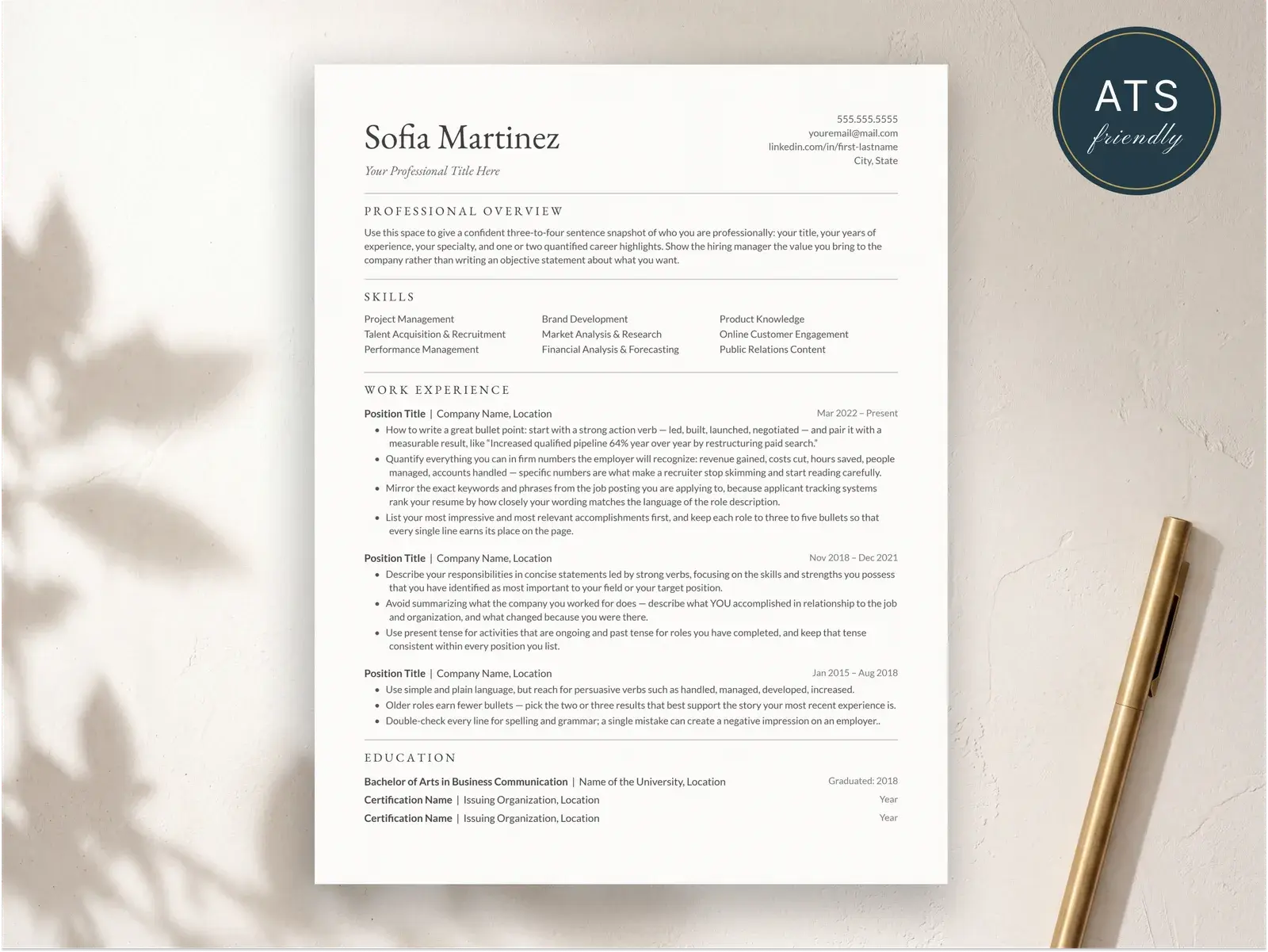
The structure that works without a work history
Order the page like this:
- Contact info — name, phone, email, city. A professional email address, not the one you made in seventh grade.
- Objective — two lines. Covered below.
- Education — near the top, because it’s your strongest section. Include an expected graduation date if you’re still in school, plus GPA if it’s 3.5+ and any honors. Full formatting rules in how to list education on a resume .
- Experience — yes, still called that. Filled with the substitutes below.
- Skills — a short, honest list: software, languages, certifications (CPR, food handler’s, lifeguard).
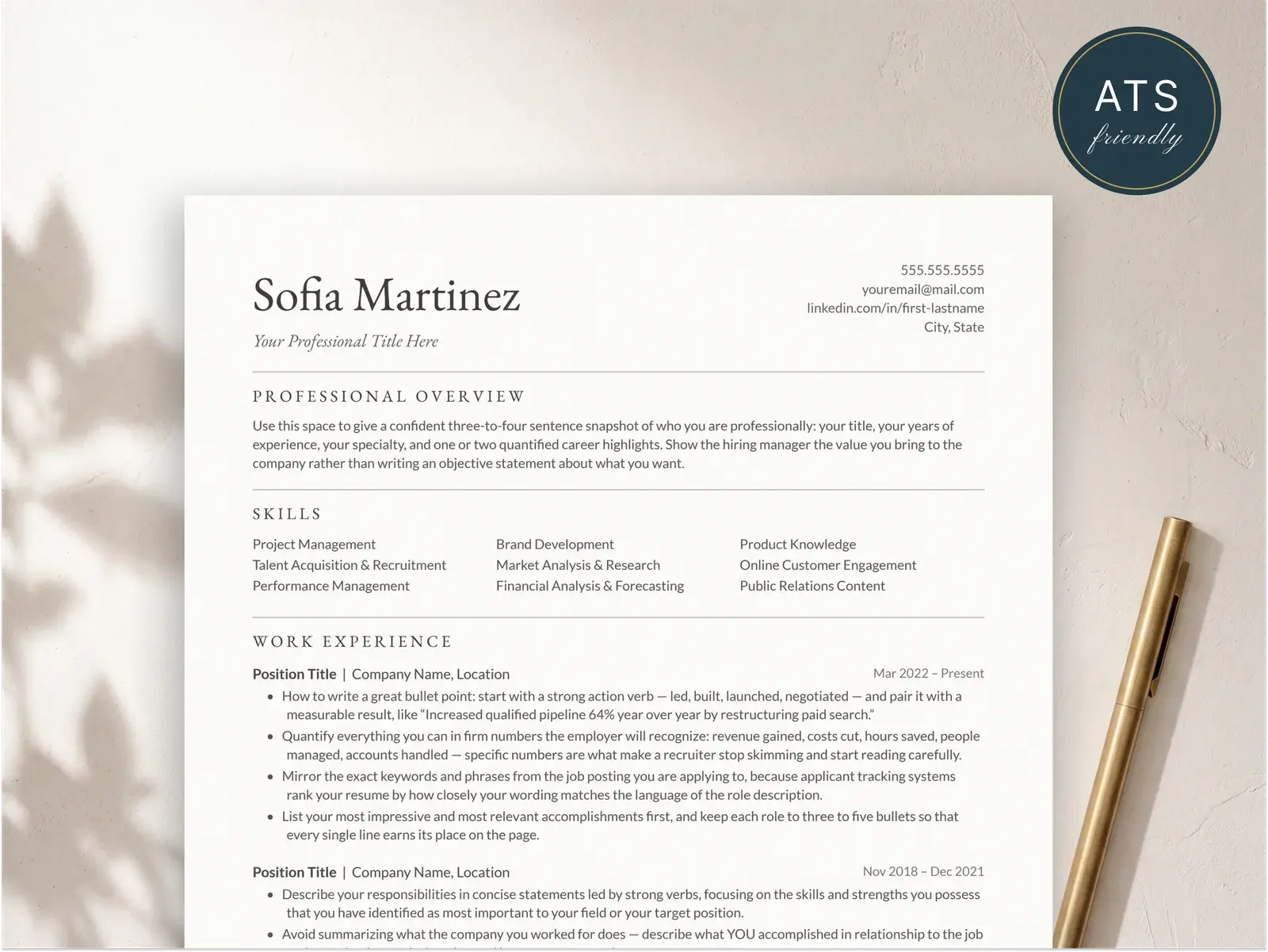
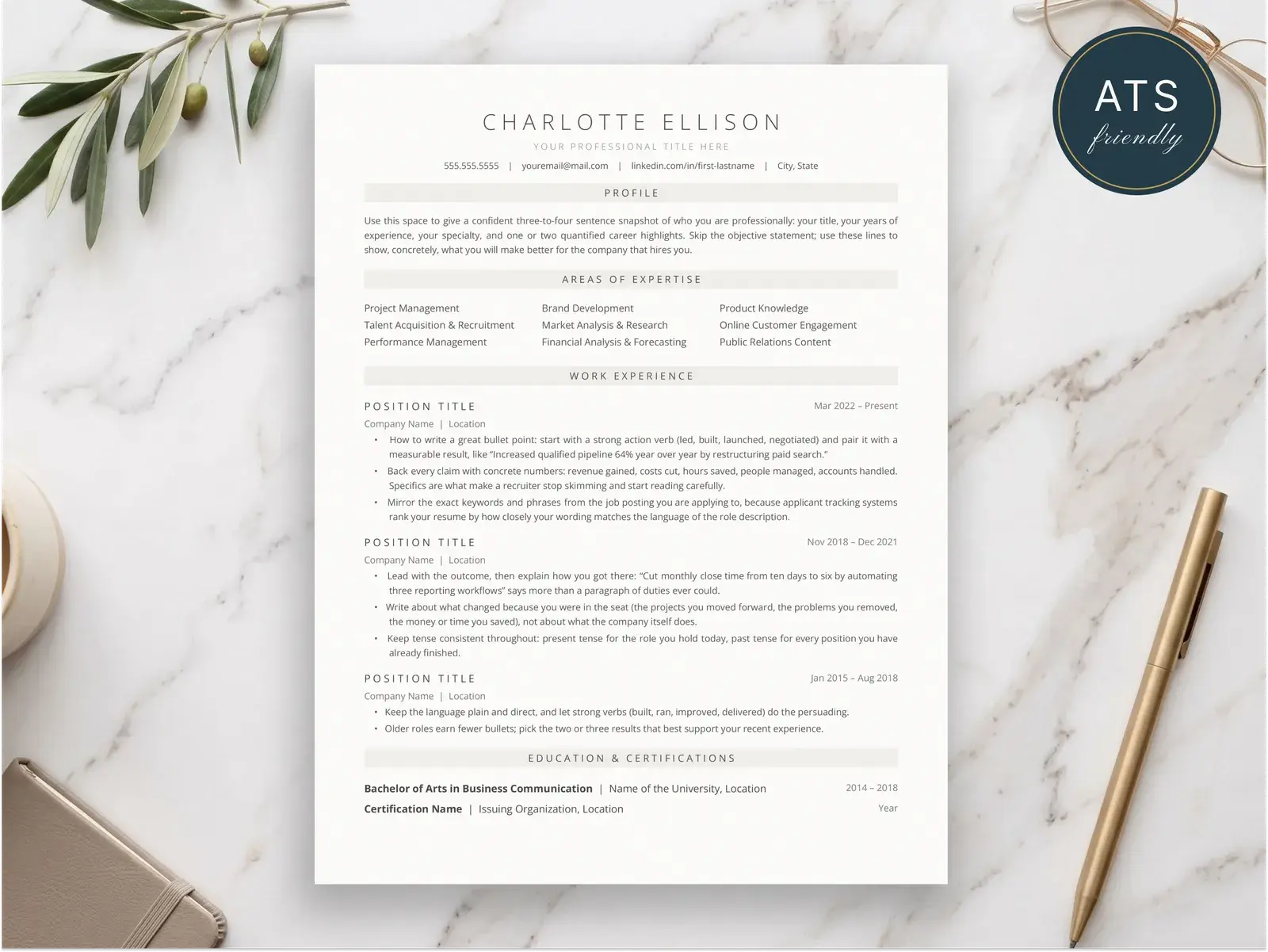
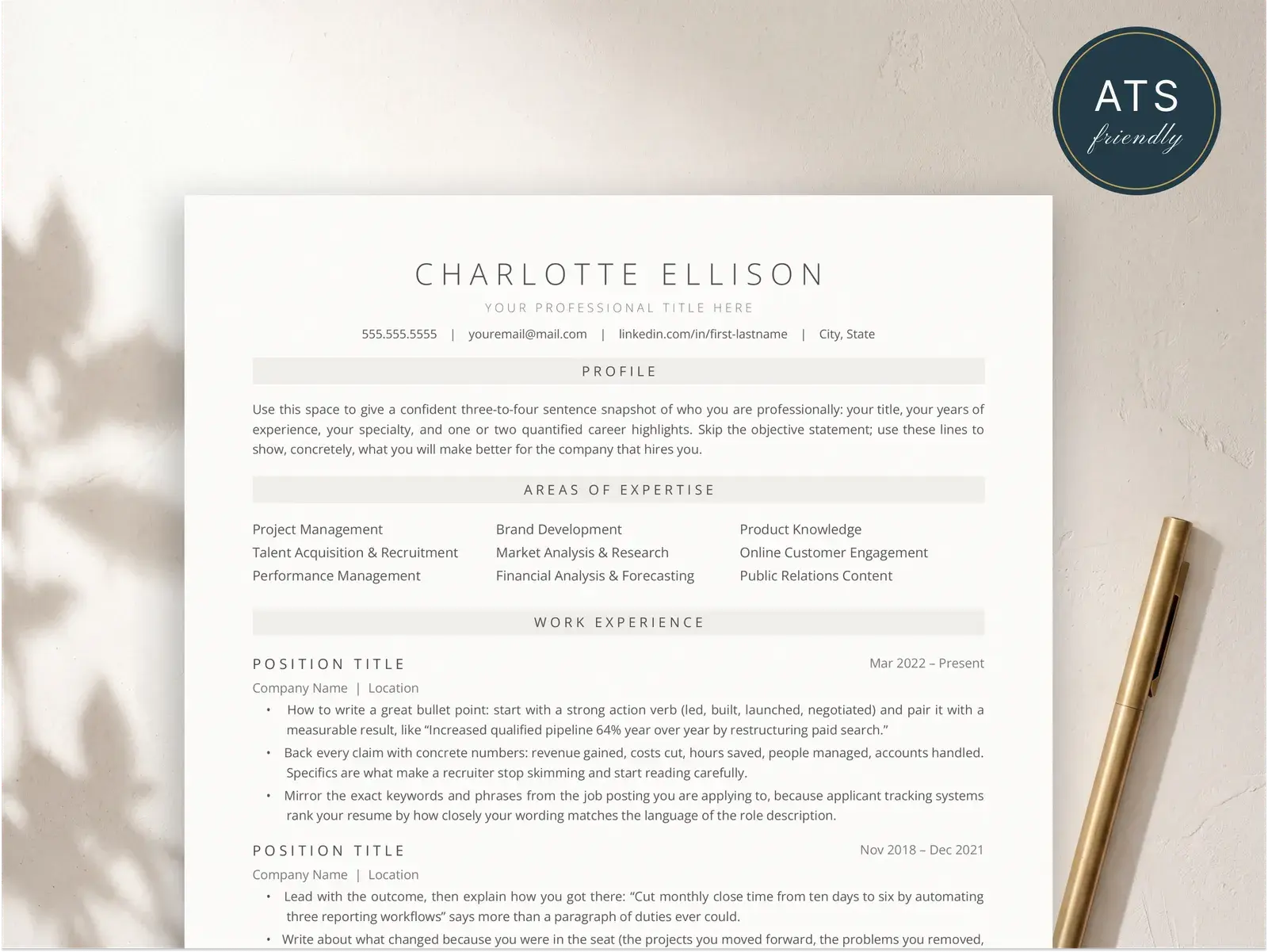
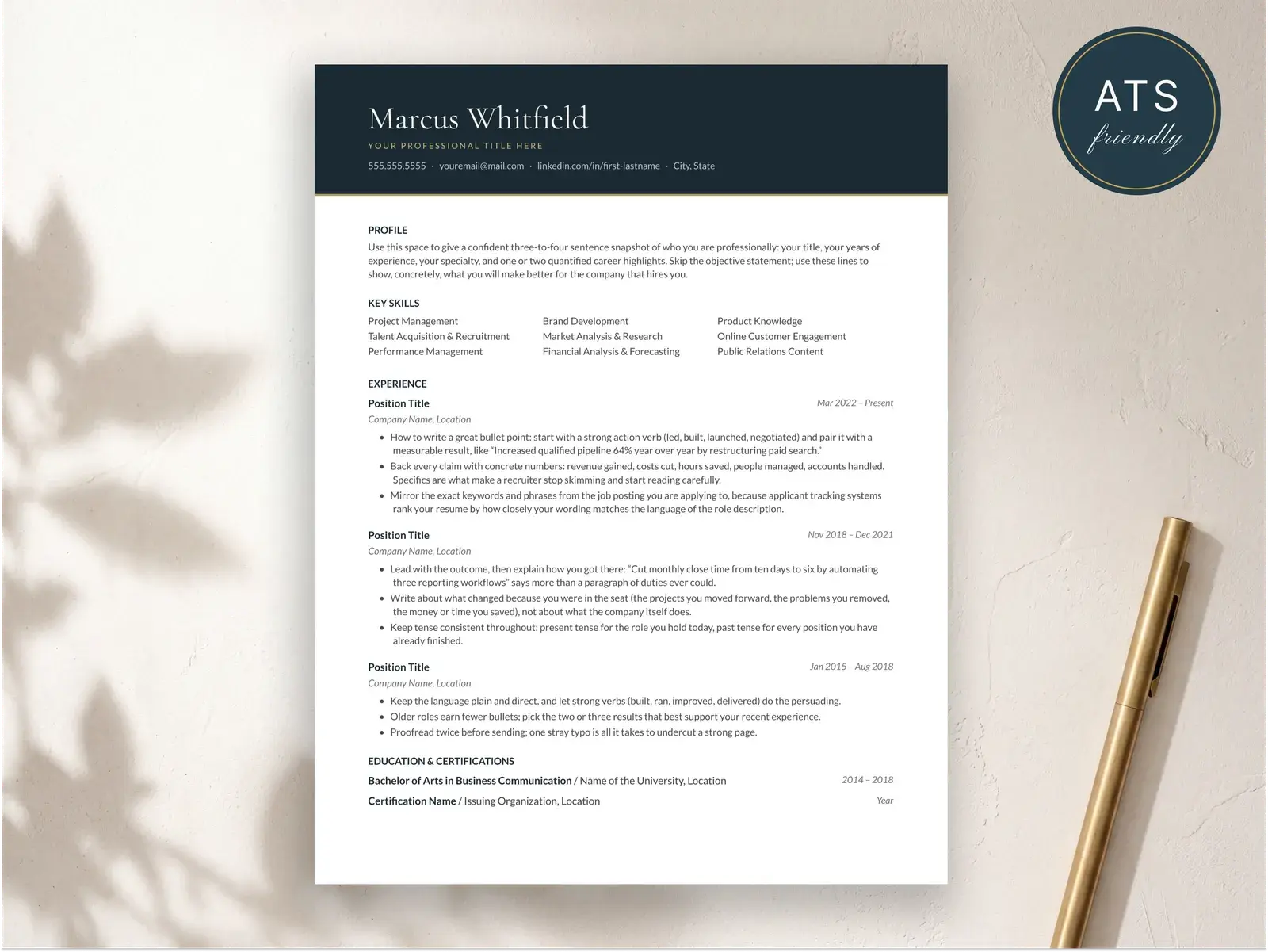
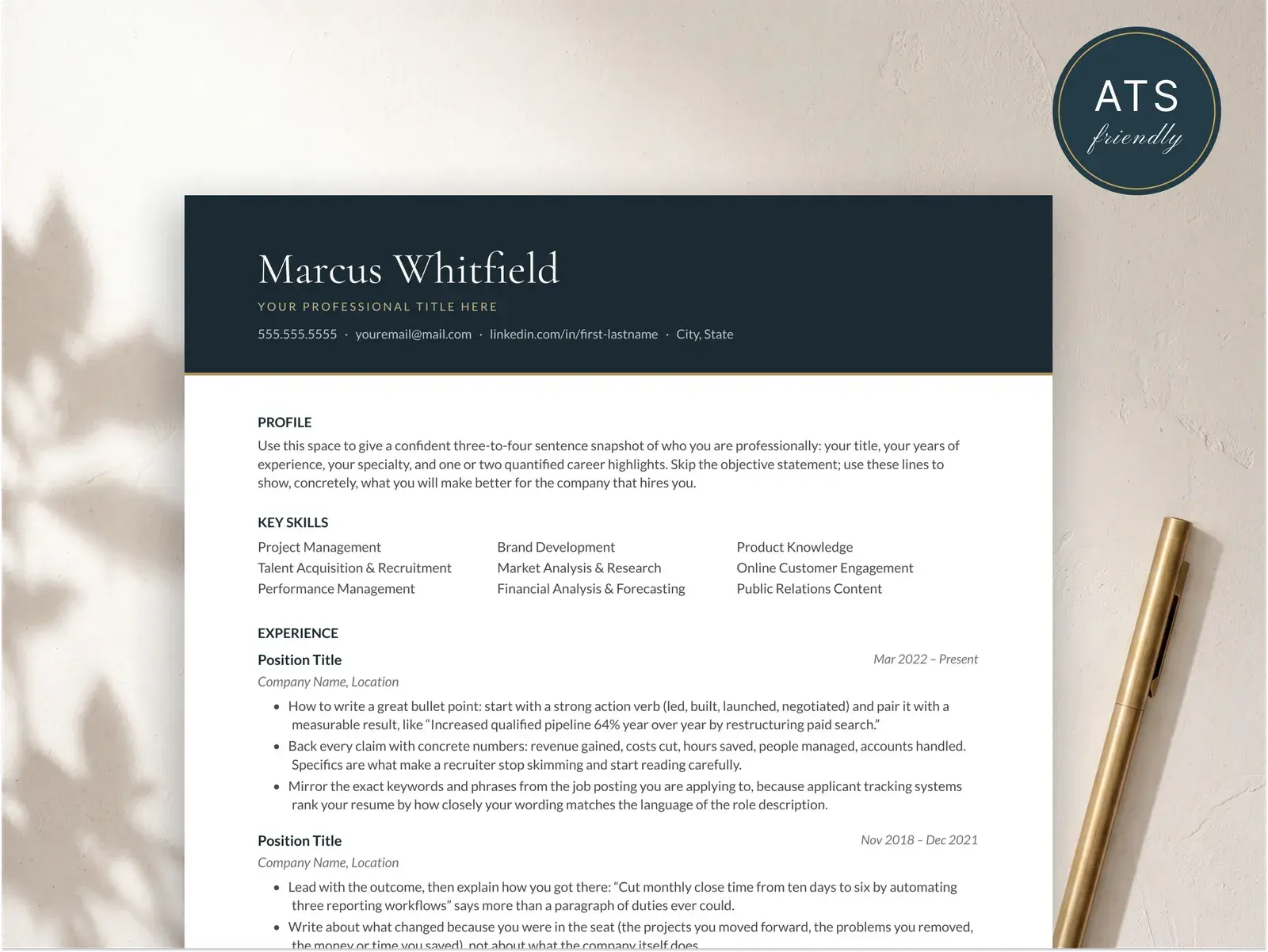
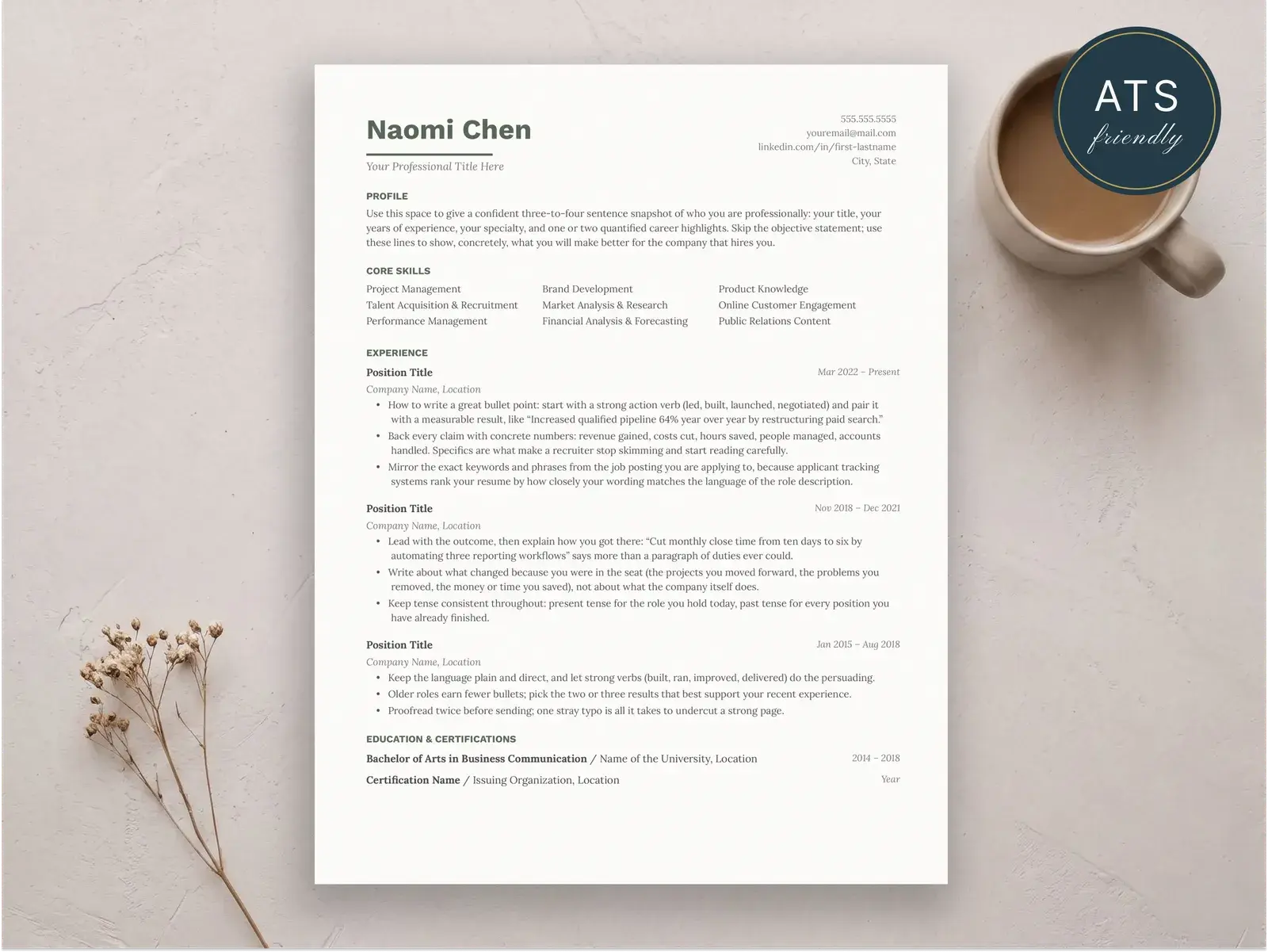
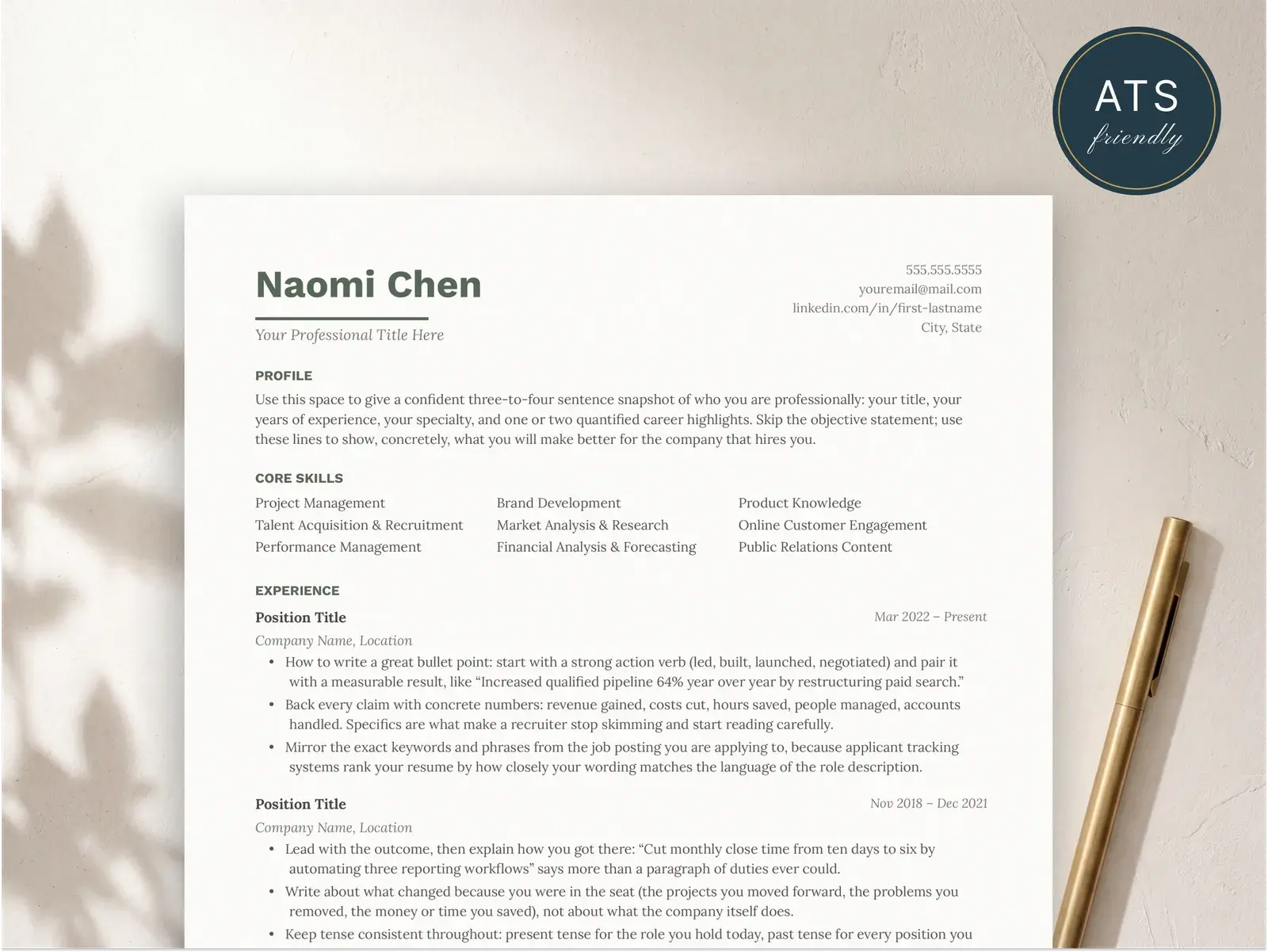
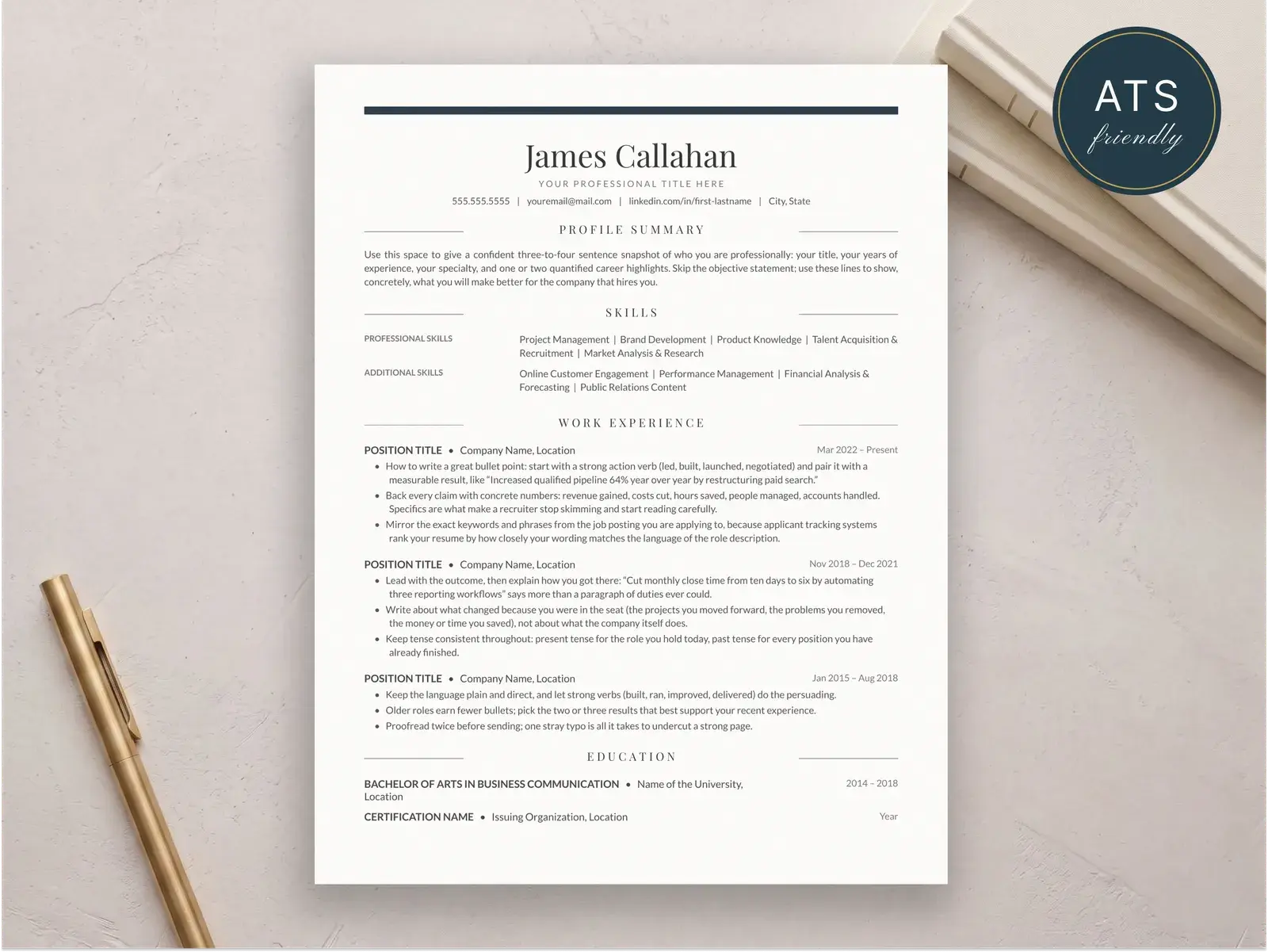
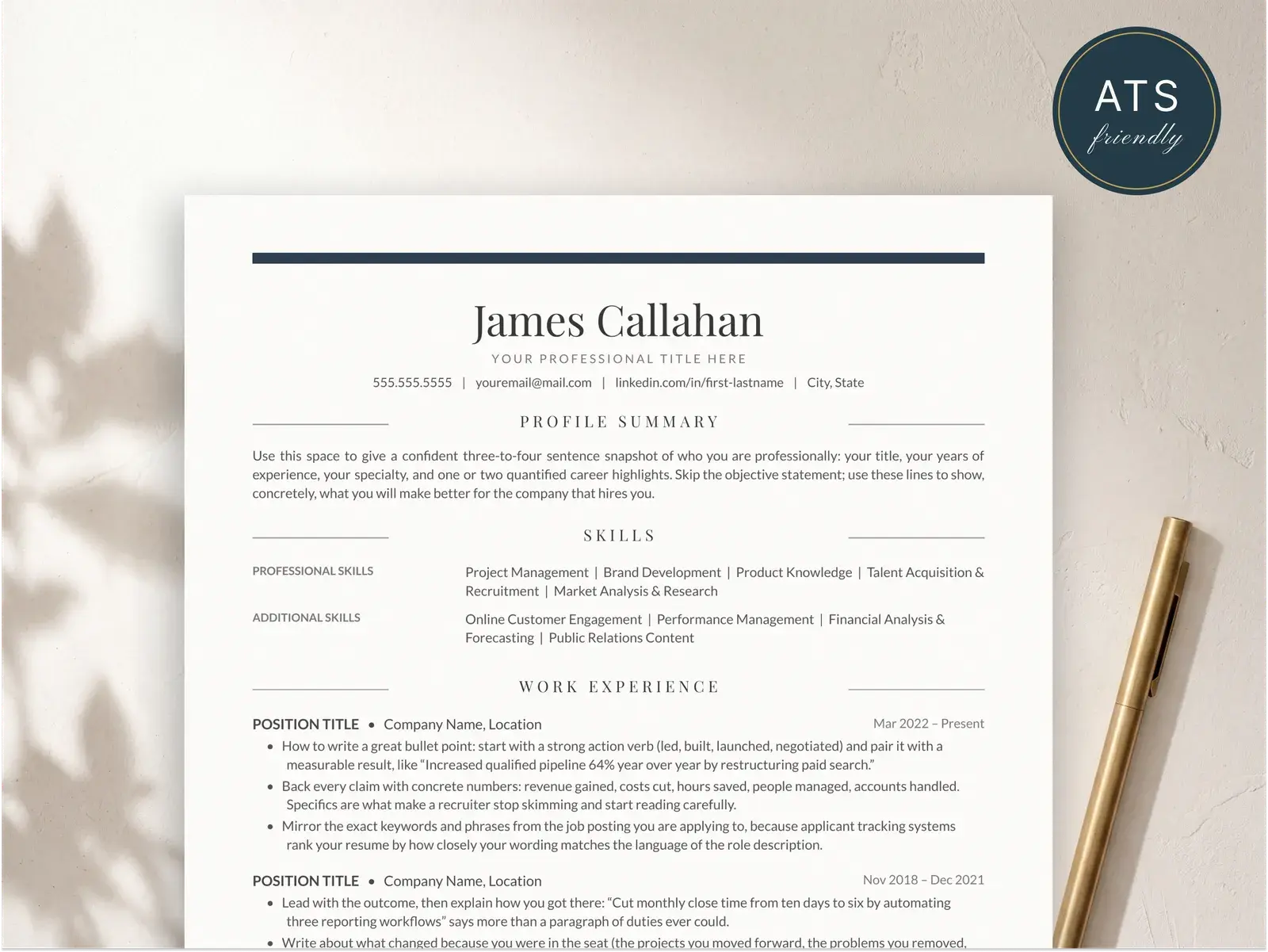
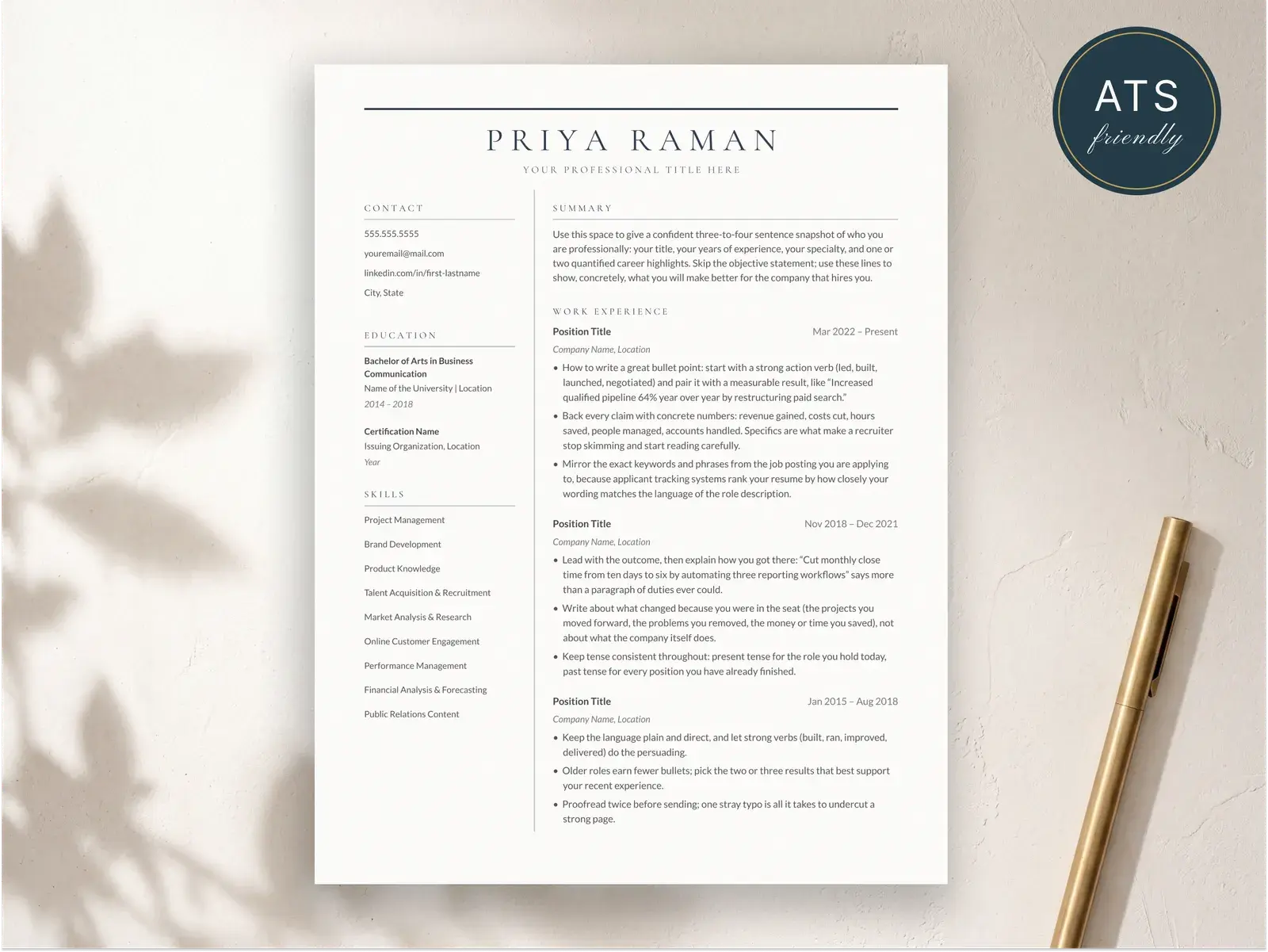
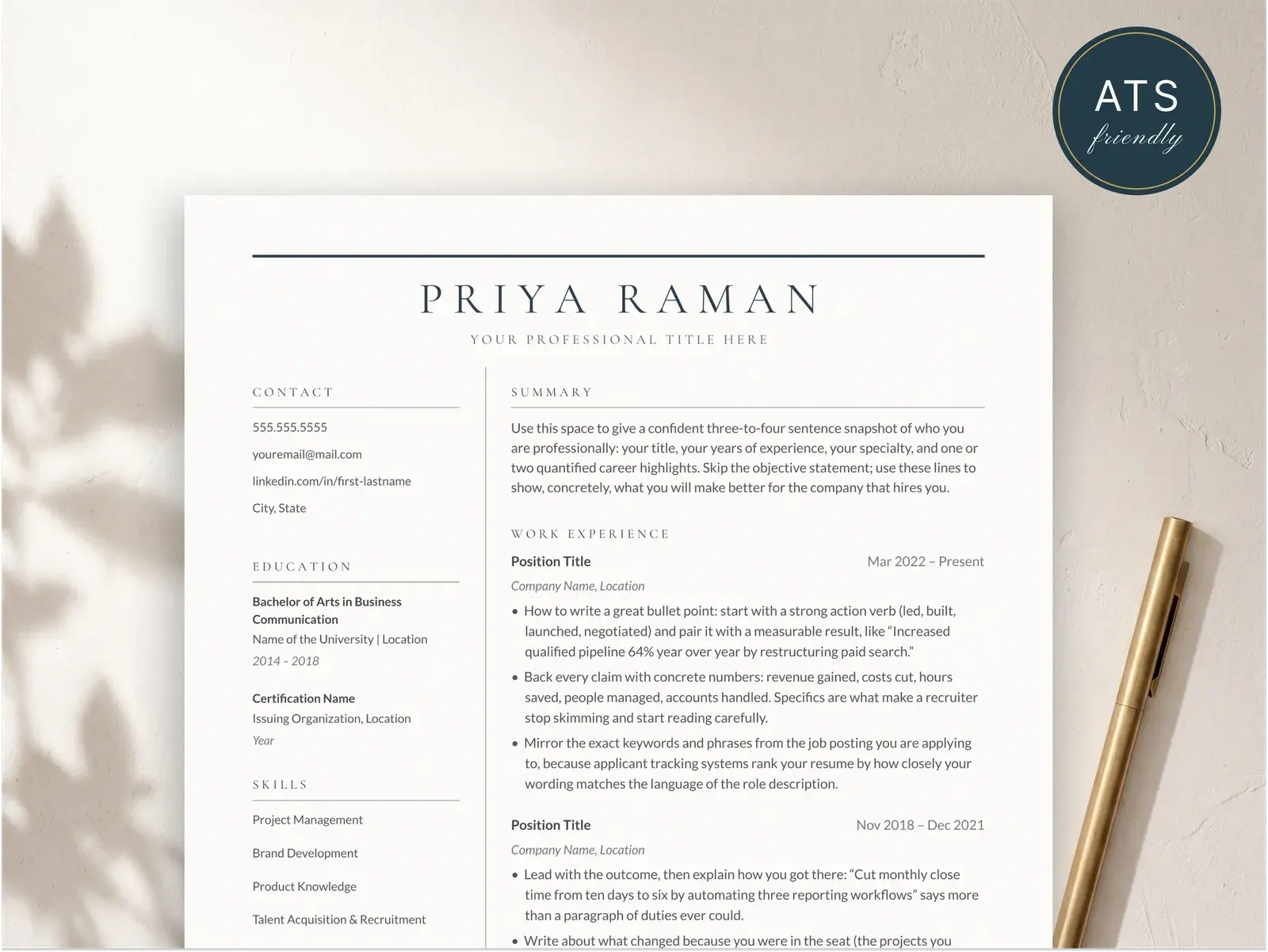
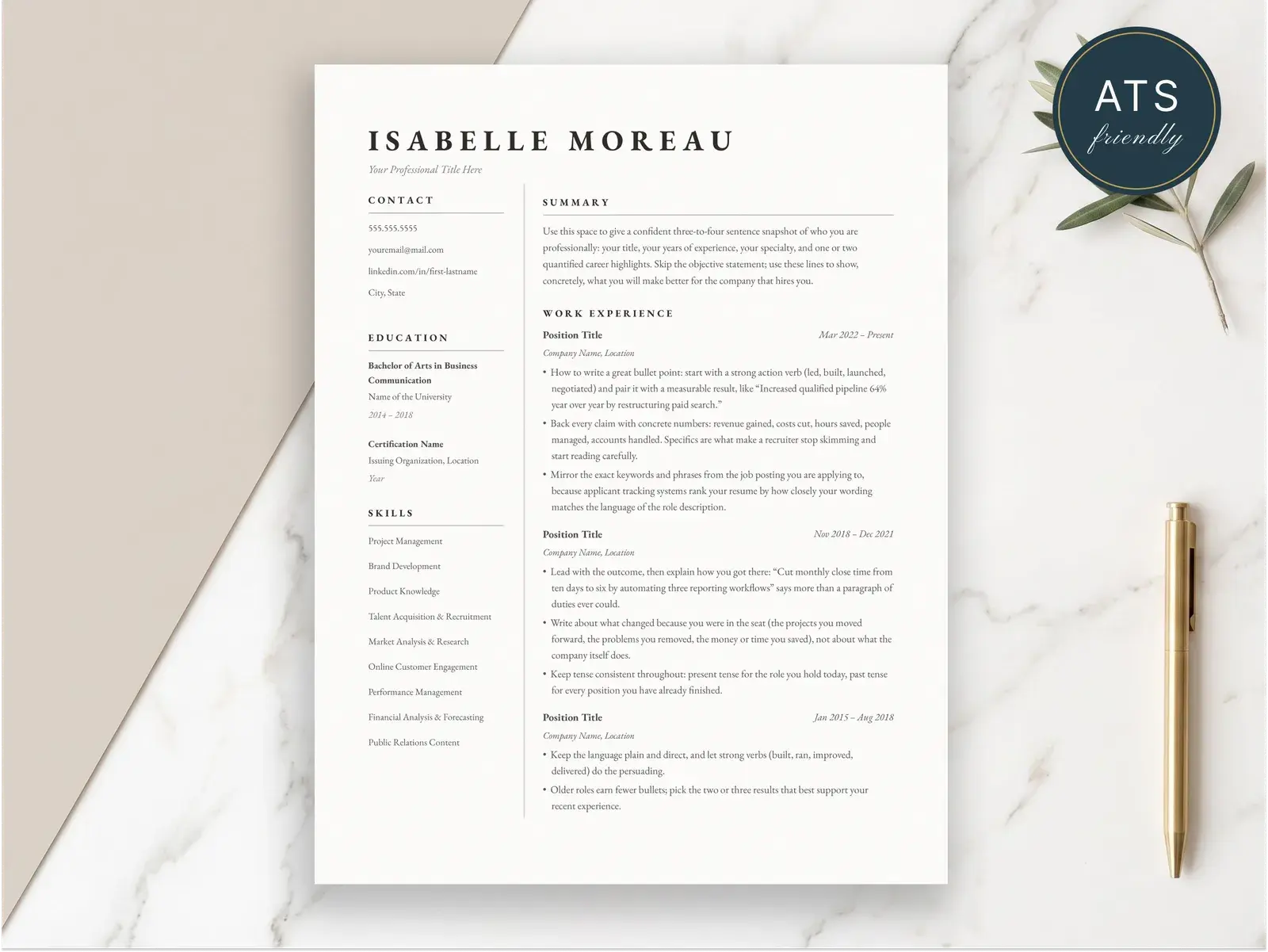
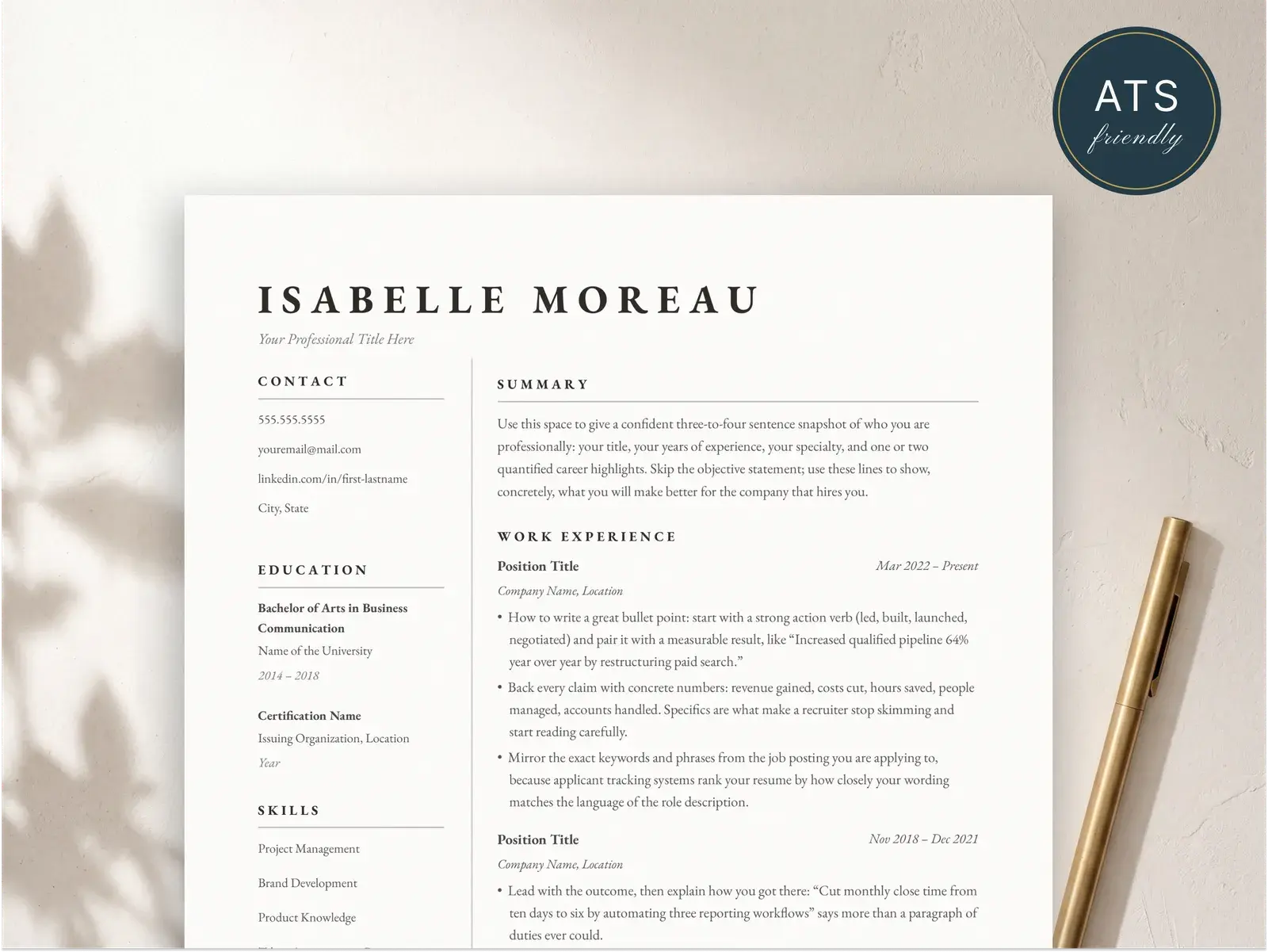
One page. Use a clean entry-level template — with less content, formatting quality is more visible, not less.
The opening lines: objective, not summary
A summary recaps a career; you don’t have one yet, so write an objective: what you’re applying for plus the two or three concrete things you bring. Name the actual role and company — it’s two minutes of editing per application and it reads completely differently from a form letter.
Weak
Hardworking student seeking a position where I can utilize my skills and grow professionally.
Strong
High school senior with two years of customer-facing volunteer experience, applying for the weekend sales associate role at Field & Vine. Comfortable with POS systems and known for showing up early.
More patterns in our resume objective examples guide.
What counts as experience
School and capstone projects
A semester project has a goal, a team, a deadline, and a deliverable — the same anatomy as a work assignment. List it with the course or program as the “organization.”
Volunteering
Treat it exactly like a job: role, organization, dates, bullets. Regular commitment (every Saturday for a year) is worth more on paper than a one-day event.
Clubs, teams, and leadership
Captain, treasurer, section editor, event organizer — anything where other people depended on you. The bullet is what you organized, ran, or improved, not the title.
Informal work
Babysitting, lawn care, tutoring, helping in a family business. Give it an honest title (“Babysitter — private families”) and quantify it: how many families, how long, how often.
Writing bullets that sound like work
The formula is the same one professionals use: verb + what you did + result or scale. Numbers do the heavy lifting — count anything countable: people, dollars, hours, attendees, weeks.
Before and after
Was in charge of the bake sale.
Organized a 12-volunteer bake sale that raised $1,400 for the robotics team, handling scheduling, pricing, and cash reconciliation.
Before and after
Babysat for neighbors.
Provided regular after-school care for three families (ages 2–9), managing meals, homework, and bedtime routines up to 15 hours per week for two years.
A full example
MAYA JOHNSON
Portland, OR | (555) 210-8842 | maya.johnson@email.com
High school senior with two years of retail-adjacent volunteer experience, applying for the part-time associate role at Green Leaf Books. Reliable, organized, comfortable talking to strangers.
EDUCATION
Lincoln High School, Portland, OR — Expected June 2027
GPA: 3.7 | National Honor Society
EXPERIENCE
Volunteer Front Desk Assistant — Portland Public Library
September 2025 – Present, 4 hrs/week
• Greet 50+ visitors per shift, answer questions, and process returns at the circulation desk
• Organized the summer reading program shelf, tracked by 200+ participating kids
Treasurer — Lincoln High Photography Club
2025 – Present
• Manage a $600 annual budget; organized a print sale that funded two field trips
SKILLS
Google Workspace, basic Excel, cash handling, Spanish (conversational), CPR certified
Mistakes that sink first resumes
- Padding. Two strong activities beat six thin ones. White space is fine; filler is visible.
- Vague skills. “Hardworking, team player, fast learner” are claims, not skills. Every one of them should instead be proven by a bullet.
- Lying, even lightly. Rounding two months into a year, or a participant role into a leadership title, gets found out in the interview’s first five minutes.
- Over-designed templates. Columns, photos, and skill-bars read as compensation. A clean single-column layout — the kind that also survives applicant tracking systems — lets the content speak.
- Sending one version everywhere. Swap the objective line and reorder skills per application. Ten tailored applications beat forty identical ones — and a simple tracker keeps those ten from getting lost.