What to include
What to include (and what to leave out)
Every education entry needs exactly three things: the degree (with major), the institution, and the date — graduation year, or an expected date if you’re still enrolled. Everything else is optional and situational.
- Include when it helps: GPA of 3.5+, honors (cum laude, Dean’s List), relevant coursework when you lack work experience, a thesis or capstone if it’s directly relevant to the job.
- Leave out: your high school once you’ve attended college, graduation years more than ~15 years back if you’re concerned about age signaling (the degree stays, the year can go), and any coursework list once you have real experience in the field.
The whole entry should take two or three lines per school. The education section’s job is to state your credential and your timeline — your skills and experience sections do the persuading.
The standard format
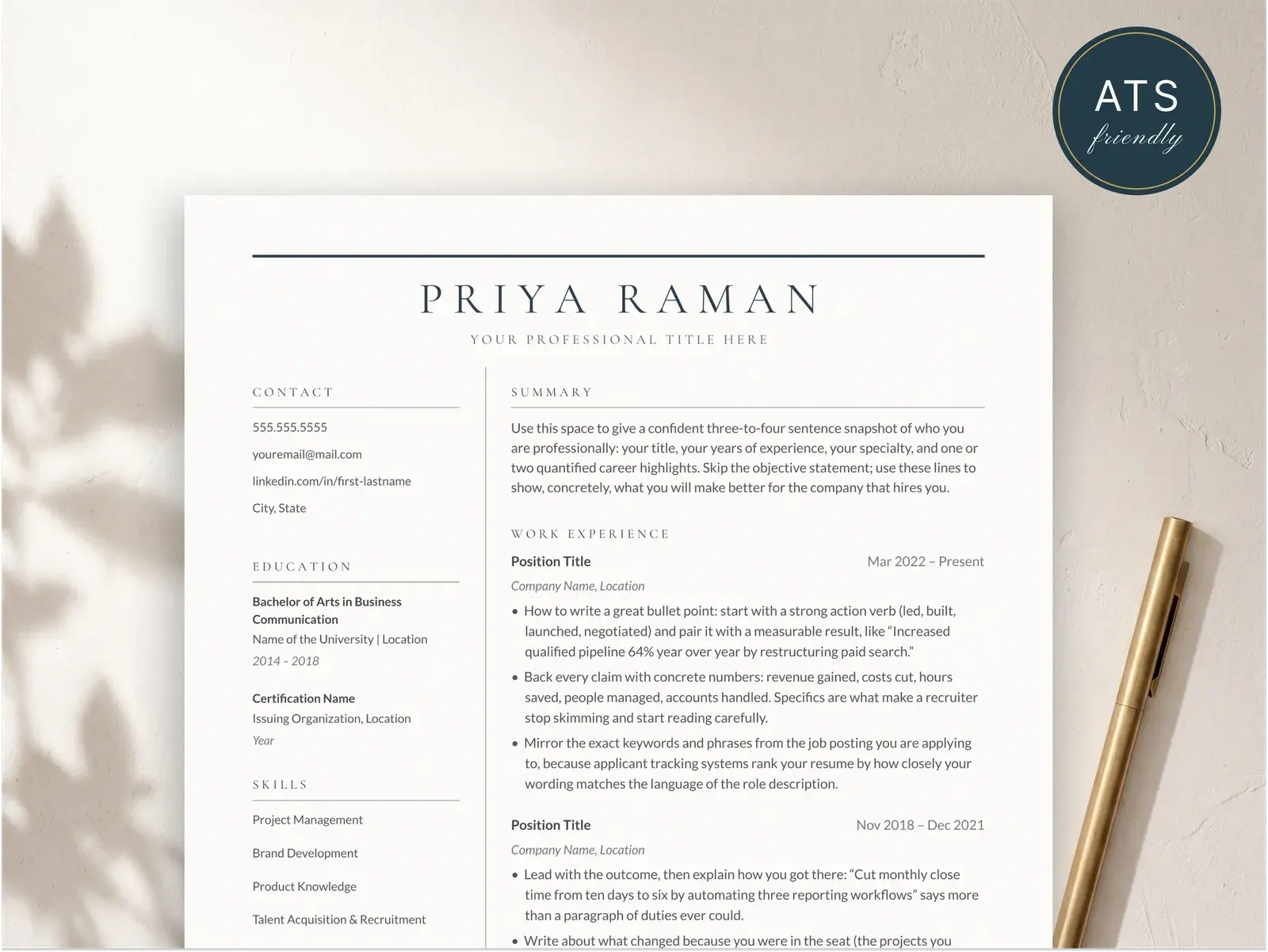
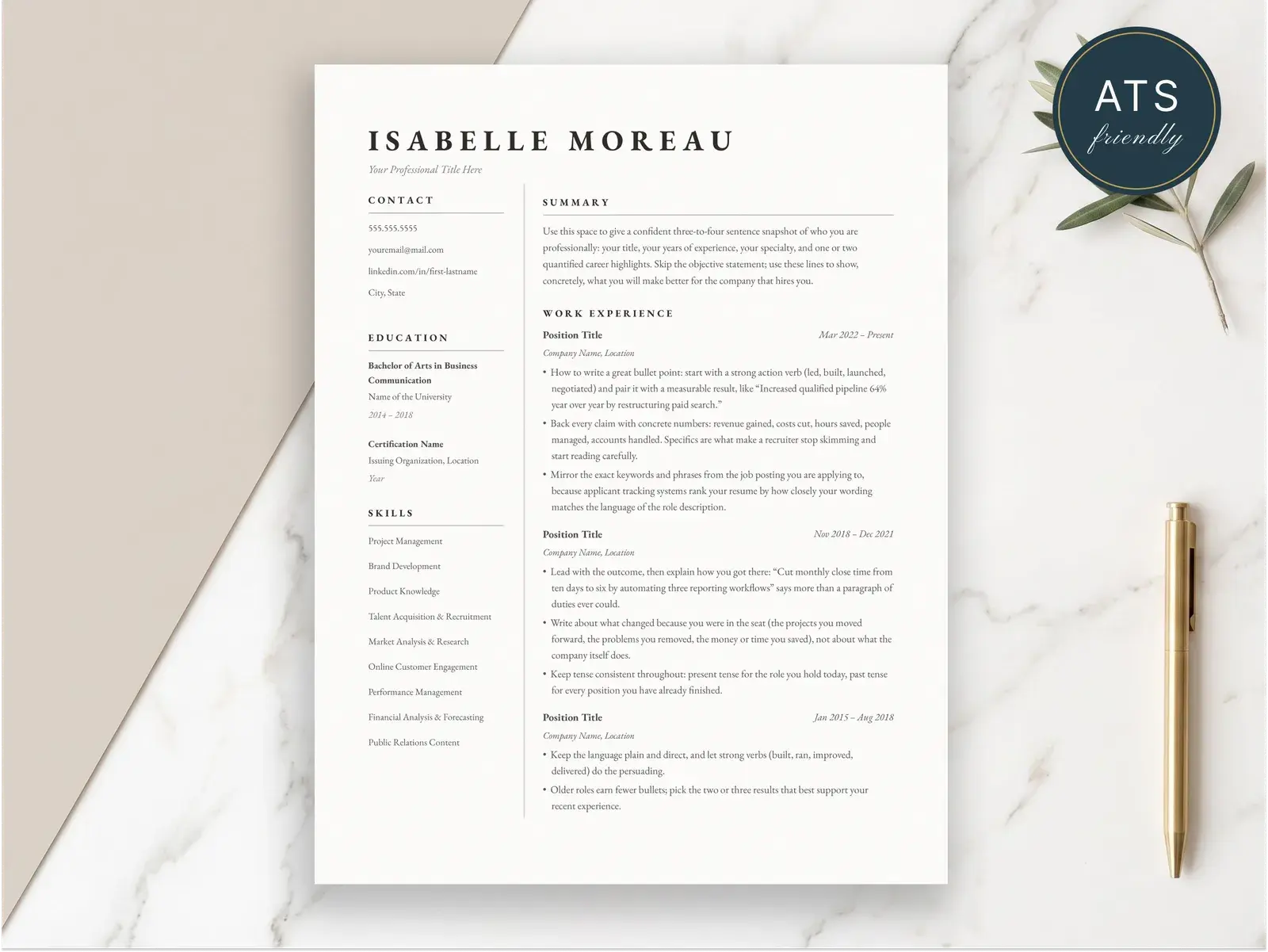
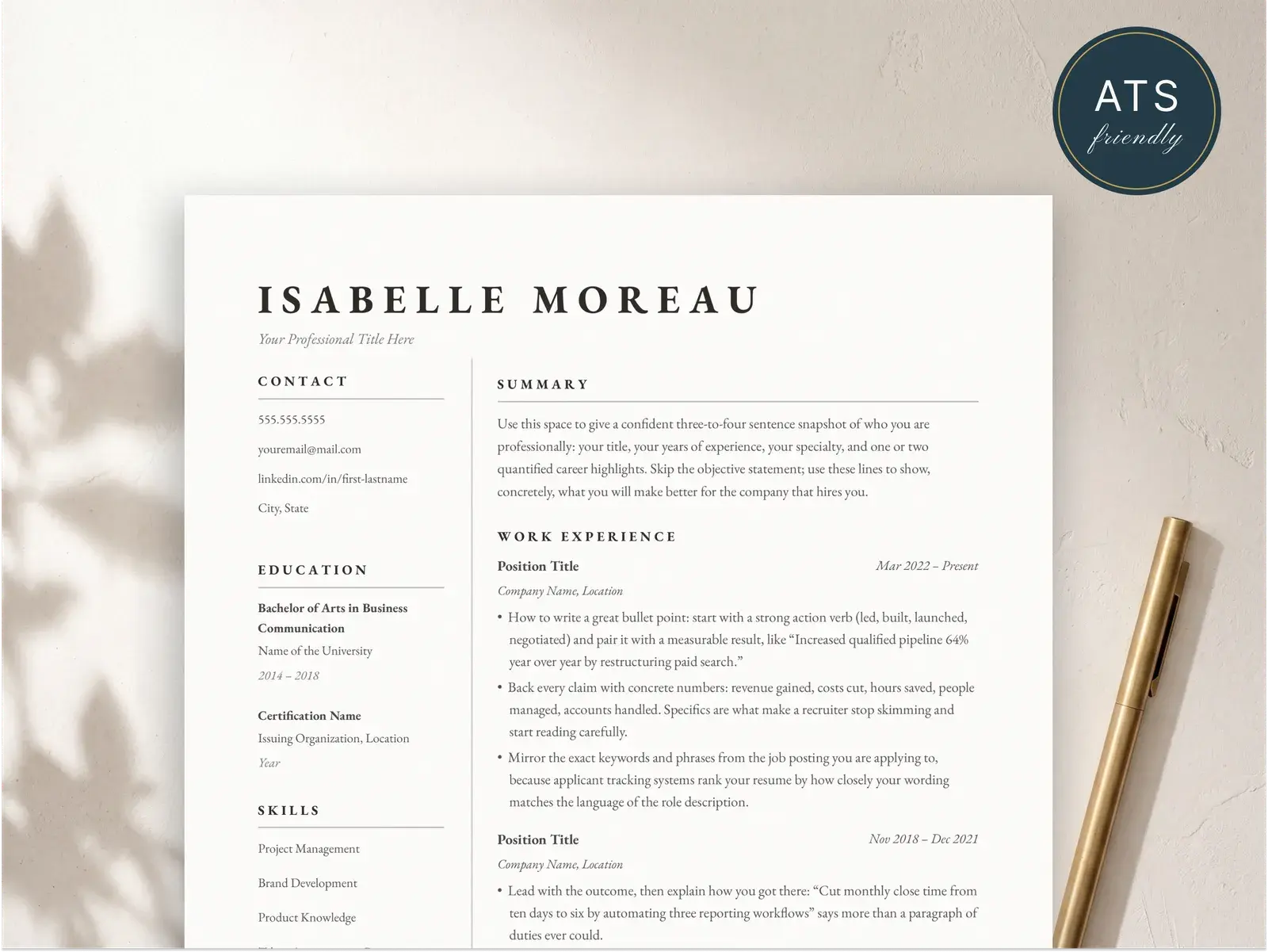
Degree first, in bold. School on the next line (or the same line, separated by a pipe). Date last. This is the order recruiters scan for and the order applicant tracking systems parse most reliably.
Standard entry
Bachelor of Science in Marketing
University of Florida | May 2024
With honors and GPA
Bachelor of Arts in Economics
Ohio State University | May 2025
Magna Cum Laude, GPA: 3.8/4.0
Two degrees, most recent first
Master of Science in Data Analytics
Georgia State University | May 2026
Bachelor of Science in Statistics
University of Georgia | May 2023
Spelling out the degree (“Bachelor of Science”) and abbreviating it (“B.S.” or “BS”) are both accepted. Spell it out if space allows; ATS software matches both. Just be consistent — don’t mix “B.S.” on one line with “Master of Arts” on another.
Where the education section goes on the page
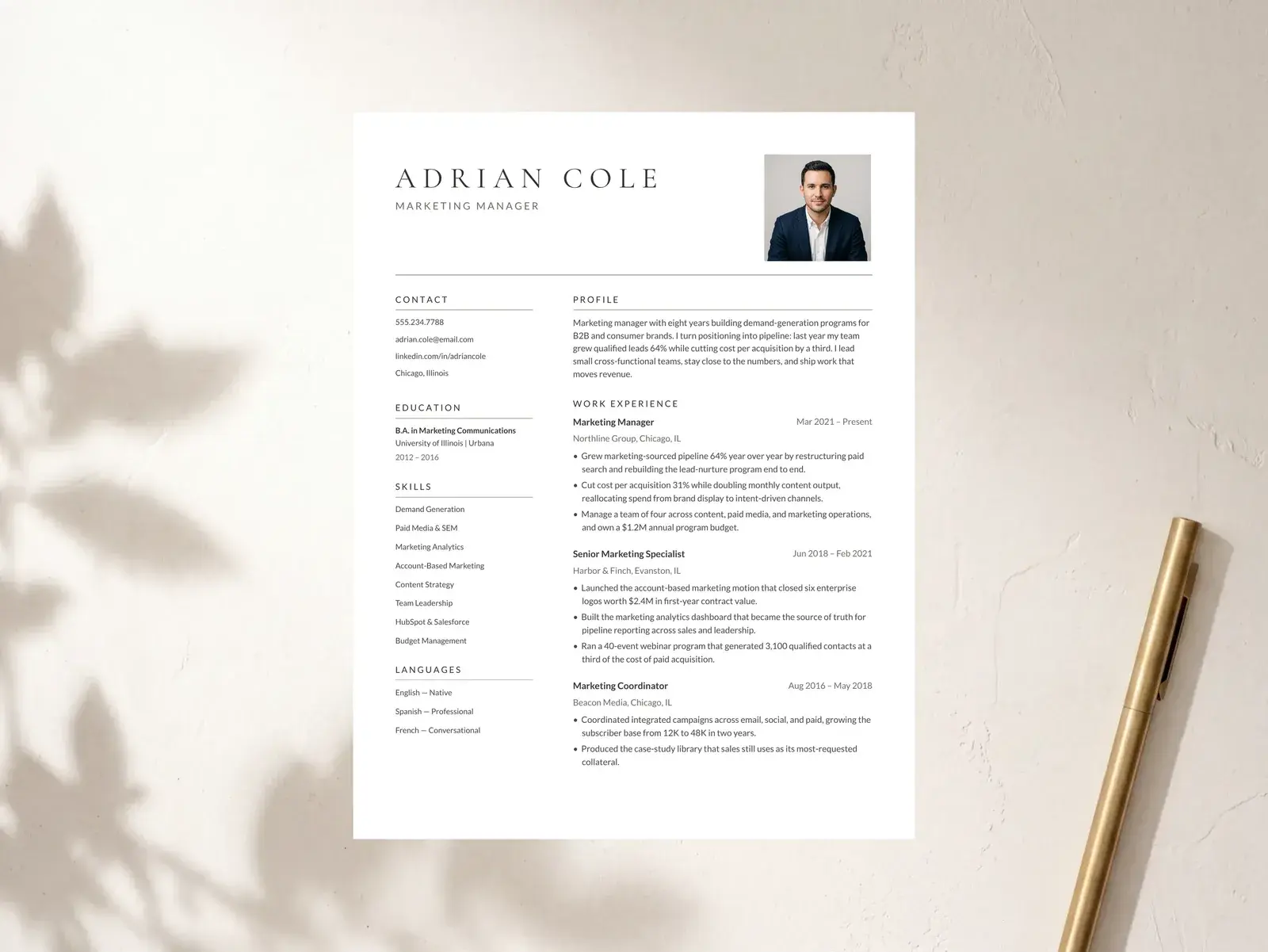
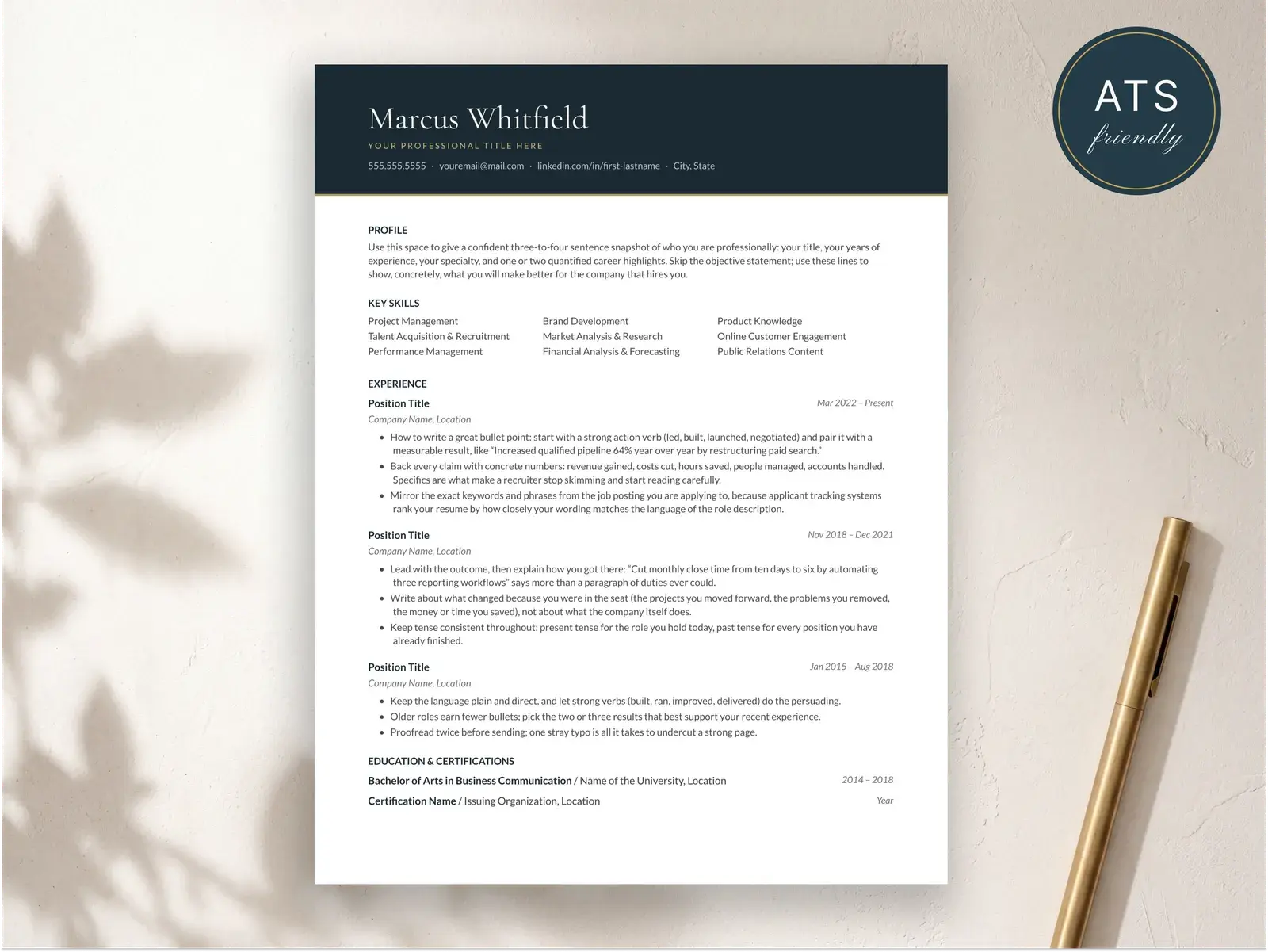
- Students and recent grads (under ~2 years out): near the top, right after your summary. Your degree is your strongest credential, so lead with it. This is the standard layout in entry-level resume templates.
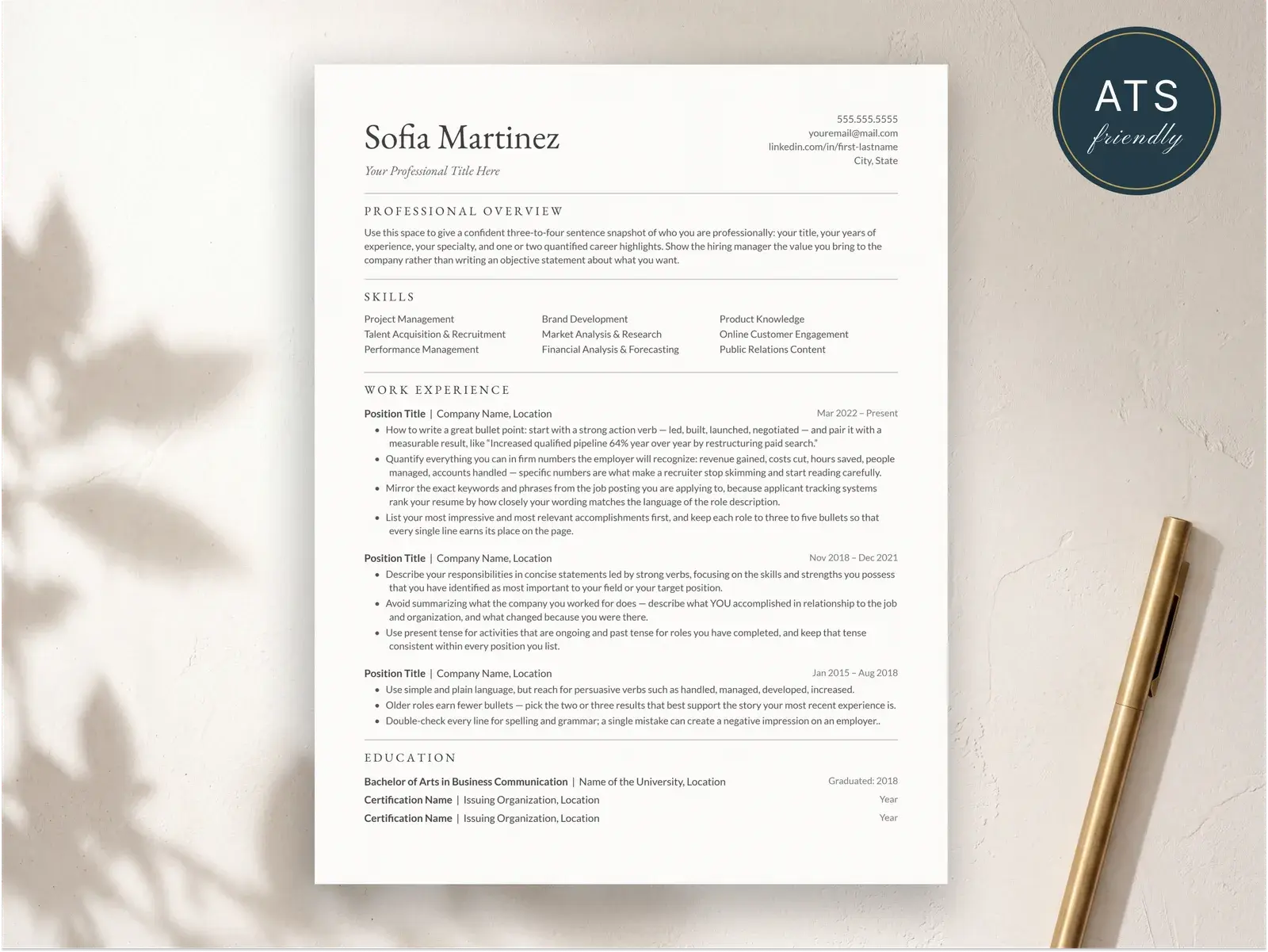
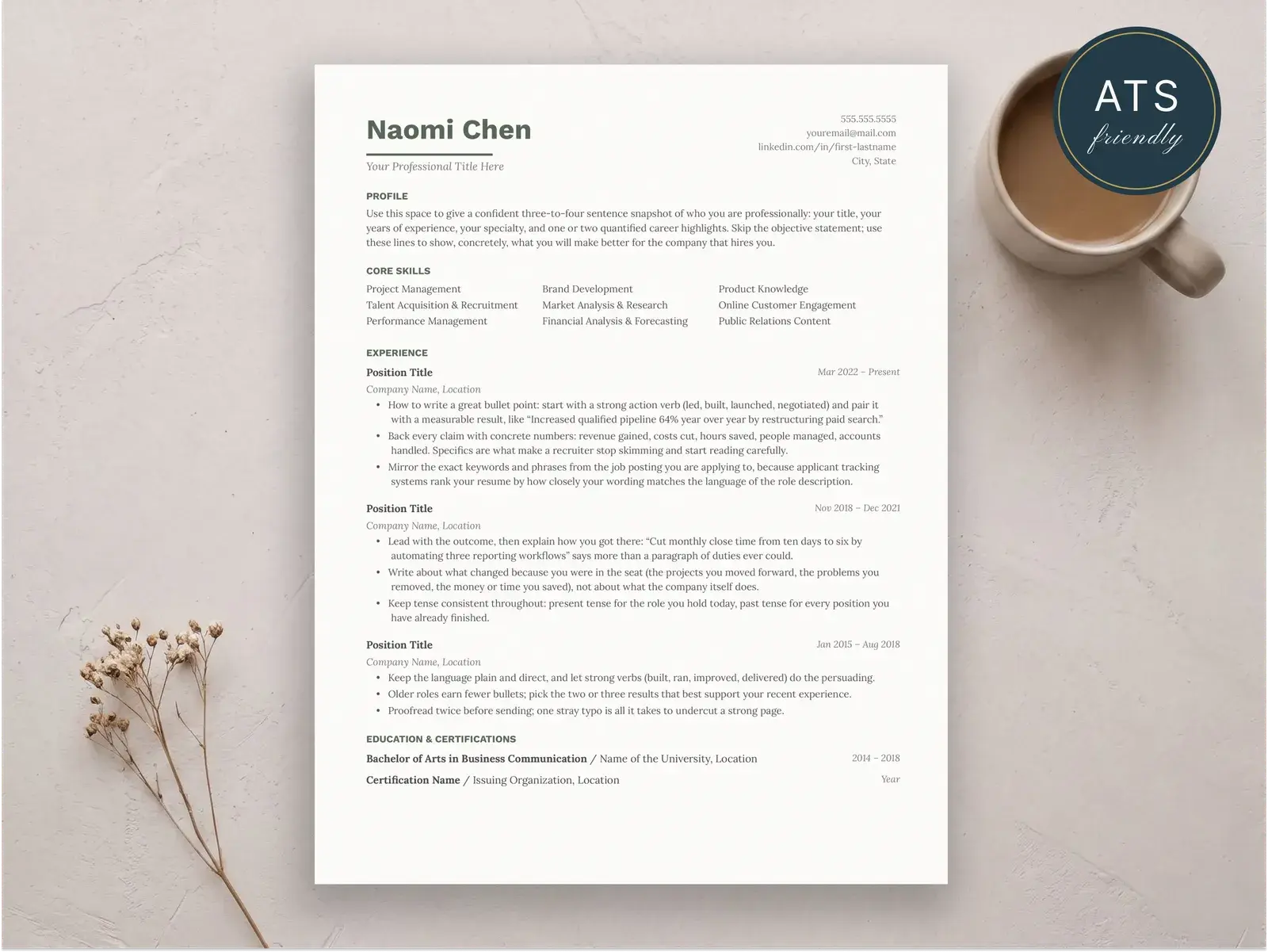
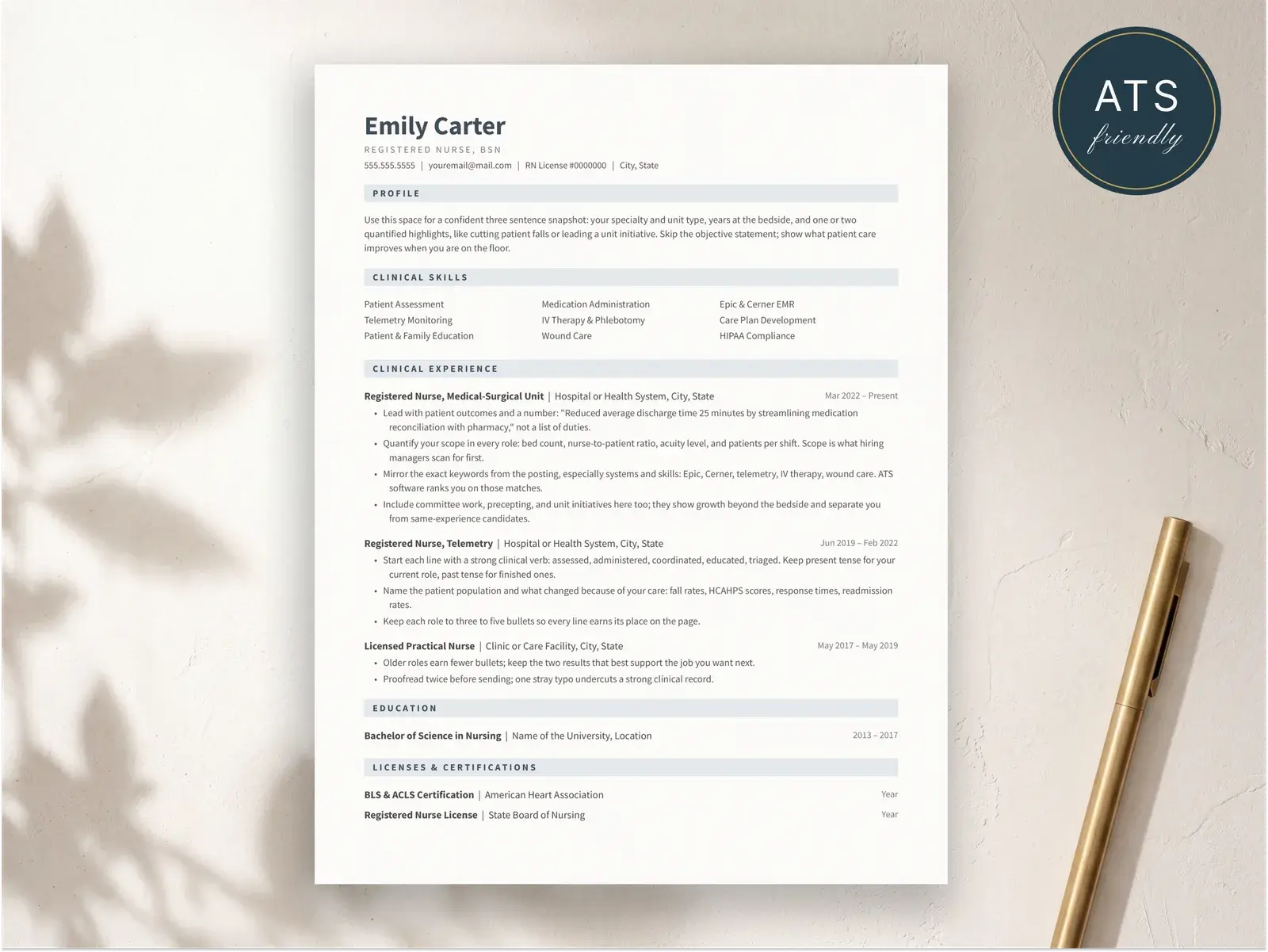
- Everyone else: after your work experience. A hiring manager reading an experienced candidate’s resume checks your last two roles first; the degree is a box they tick afterward.
The rule behind both: lead with your strongest section. There’s more on this ordering logic in our guide to the reverse-chronological format .
A degree in progress
Still enrolled? List the degree exactly as you will hold it, with an expected date. Use “Expected” or “Anticipated” — both are standard.
Bachelor of Science in Nursing
University of Texas at Arlington
Expected May 2027
There’s a full guide to this — including what to do when the date slips — in how to put an expected graduation date on a resume .
An unfinished degree
If you left school and aren’t going back, the rule is absolute: never list a degree you didn’t earn. Education is the easiest thing on a resume for an employer to verify, and a false degree claim ends the process — or the job, if it surfaces later.
What you can list is the education itself: the school, the years, and the field you studied.
Coursework in Computer Science
Arizona State University | 2021 – 2023
Completed 60 credit hours toward B.S.
If the incomplete degree isn’t relevant and you have solid experience, you can also simply omit it. An education section is expected on most resumes, but it isn’t legally required — and skills-forward resumes exist precisely for candidates whose credentials aren’t the headline.
GPA, honors, and relevant coursework
GPA
Include it at 3.5 or above, within a few years of graduating. Below that, or once you have meaningful experience, leave it off — nobody asks a five-years-in professional for their GPA, and listing a mediocre one voluntarily only invites the question.
Honors
Latin honors (cum laude and up), Dean’s List with terms noted, departmental awards, and funded scholarships all earn their line. Format them as a short suffix line under the school rather than separate entries.
Relevant coursework
A bridge for candidates without experience in the field: list 3–5 courses that map directly to the job posting’s requirements, on one line. Drop the coursework line the moment you have real experience doing the work — a job outranks a class every time.
Bachelor of Science in Finance
Baruch College | Expected May 2027
Coursework: Financial Modeling, Corporate Valuation, Accounting II, Python for Finance
When high school belongs on a resume
High school appears only while it’s your highest education. The day you enroll in any college program, it comes off — even if the degree isn’t finished. If high school is your credential, keep the entry lean and put your energy into experience, activities, and skills:
High School Diploma
Lincoln High School, Portland, OR | June 2025
National Honor Society, Varsity Soccer Captain
Special cases, quickly
- Certifications are not education. A nursing license, PMP, or Google certificate goes in its own “Certifications” section (or paired as “Education & Certifications”). Mixing them with degrees muddies both.
- Study abroad gets a line under your home institution’s entry, not its own entry — unless you earned a full degree abroad.
- Online degrees are listed identically to campus degrees. The school name is the school name; you never need to write “online.”
- Bootcamps go under education if they’re your most relevant training, formatted like a degree entry with the program length. Otherwise list them under certifications.
- Returning after a long break? If you’re also explaining time away from work, see how to handle an employment gap on a resume .