Resume templates
Accounting resume templates
Professional layouts built for finance. Highlight your CPA, software skills, and the numbers that prove your impact.
See the templatesBest templates for accounting roles
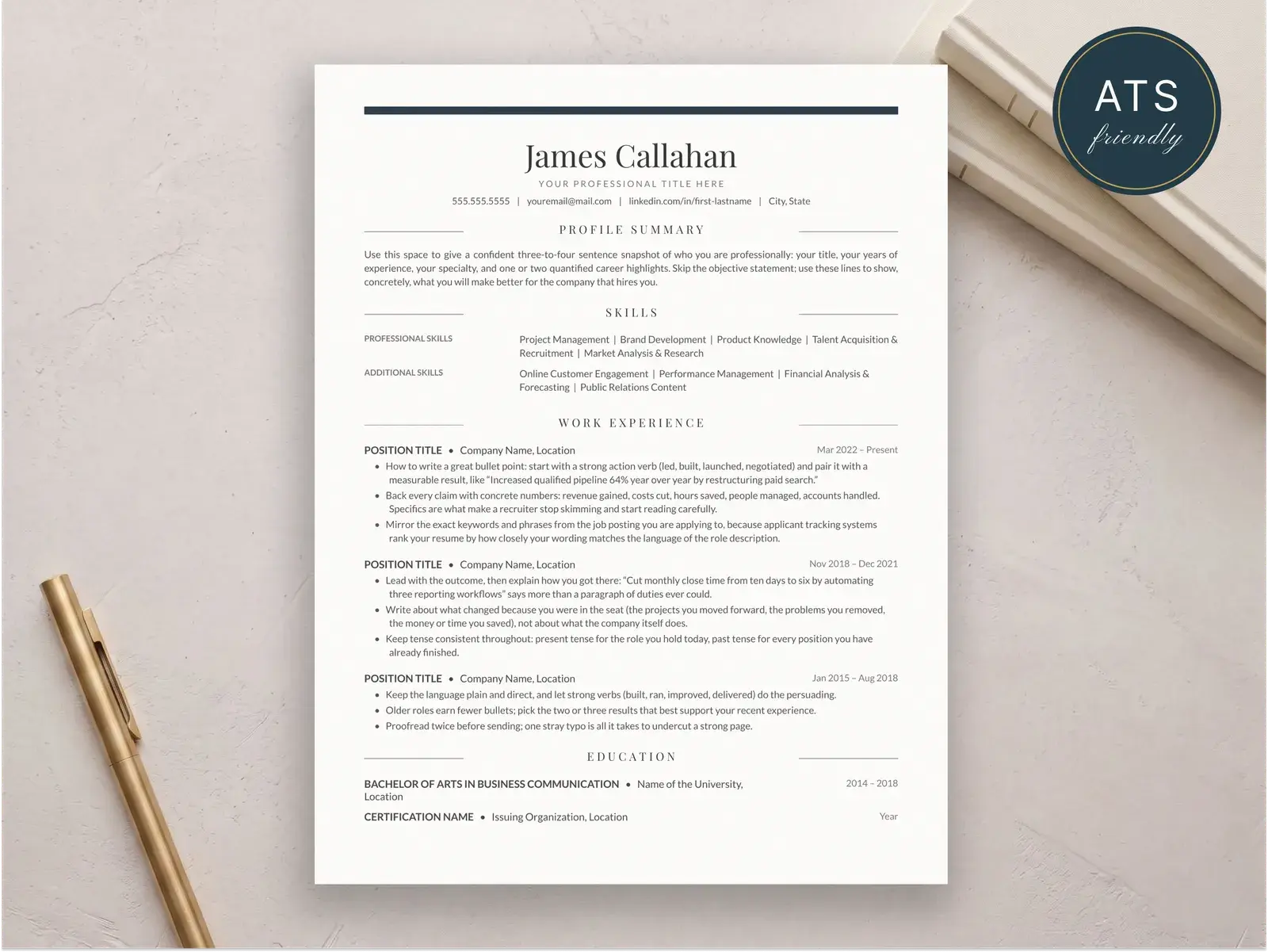
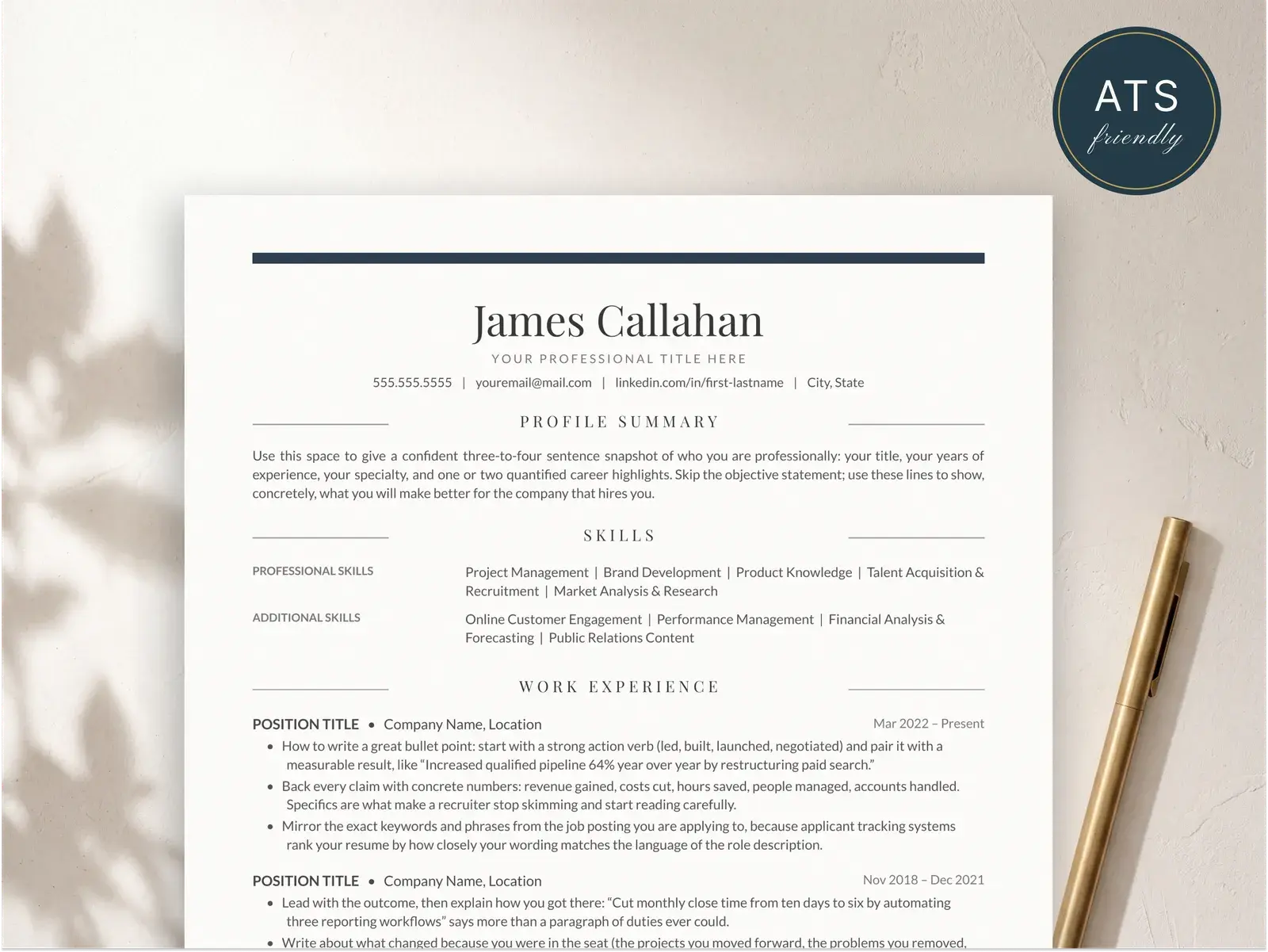
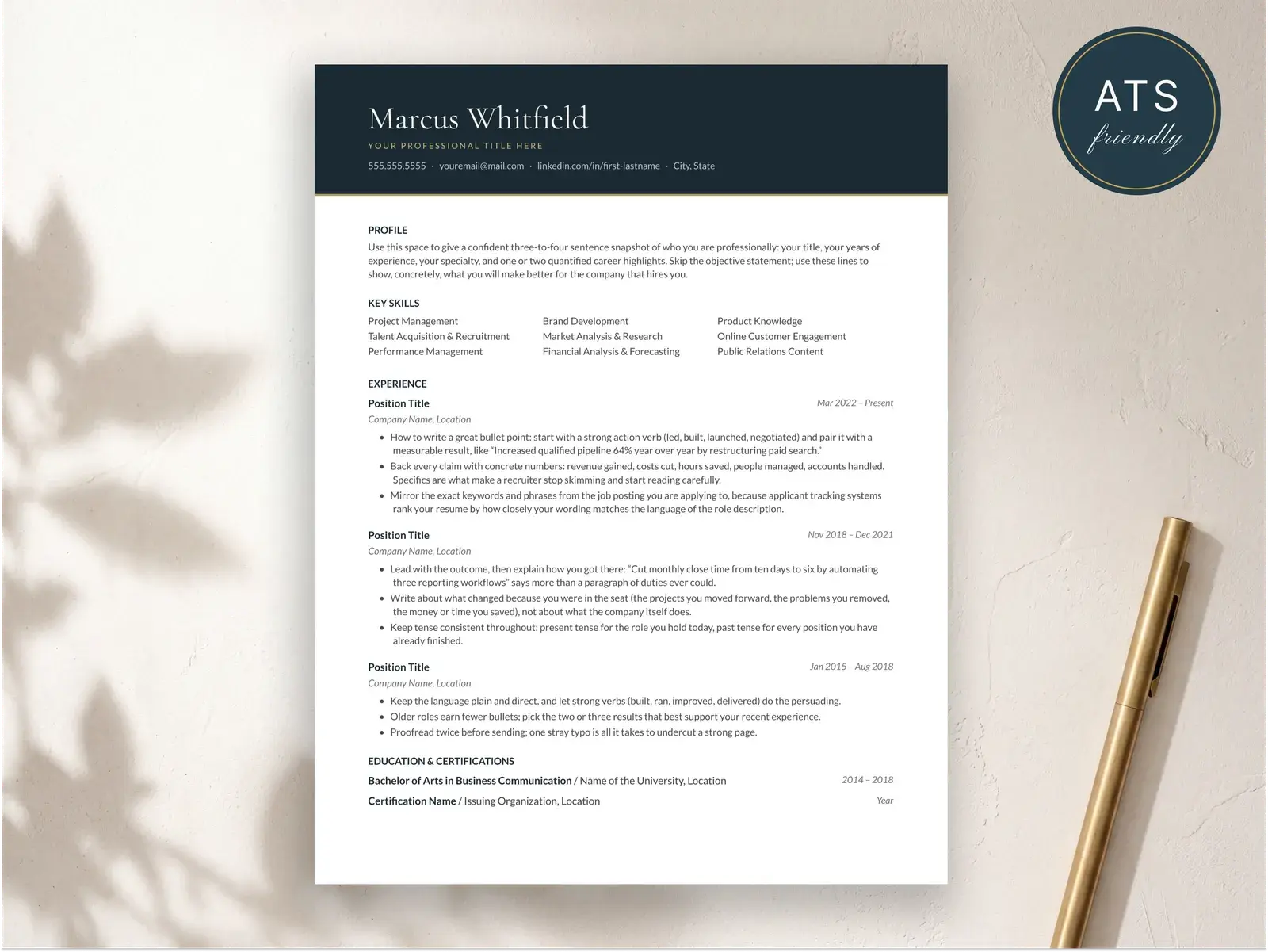
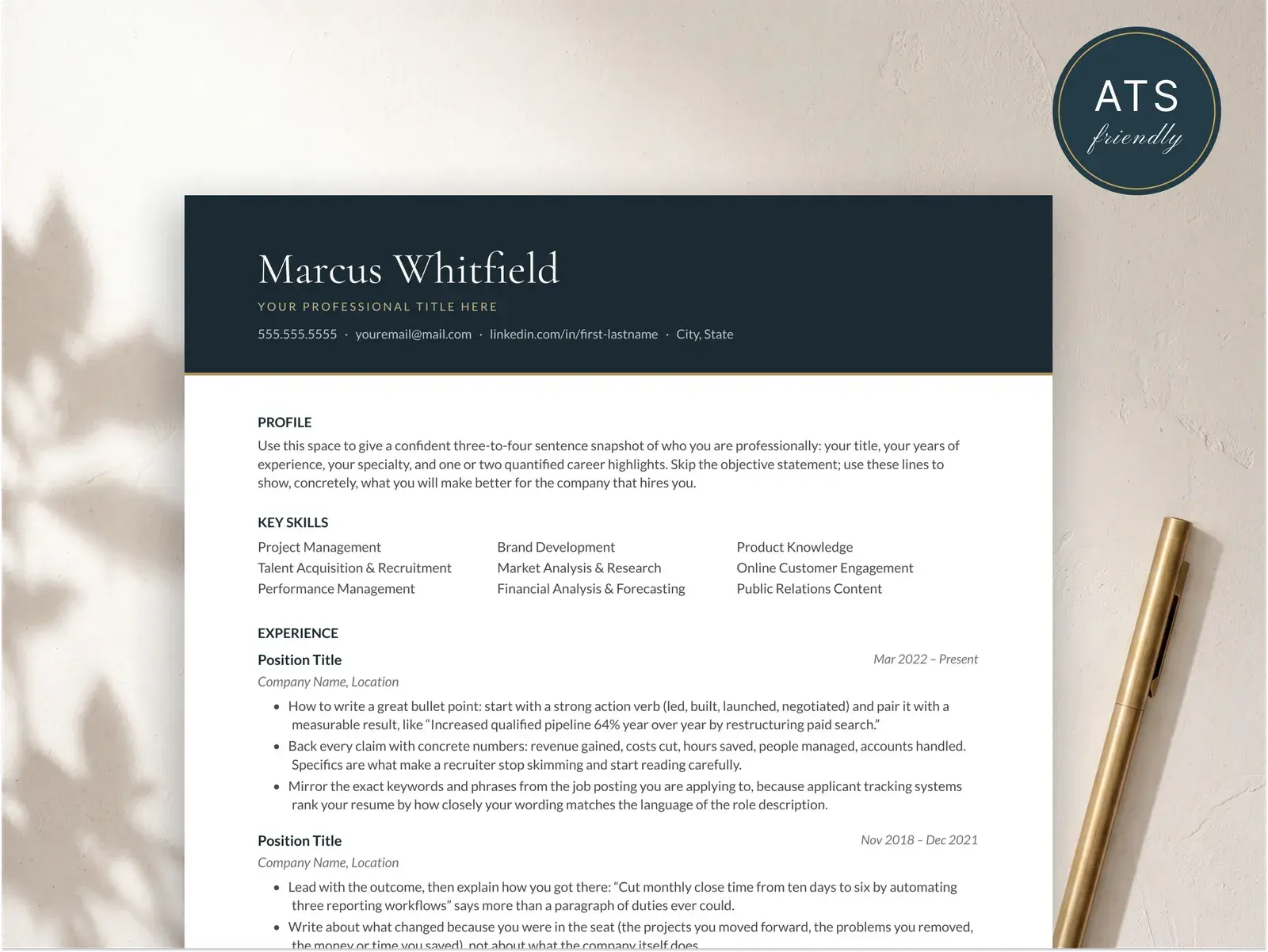
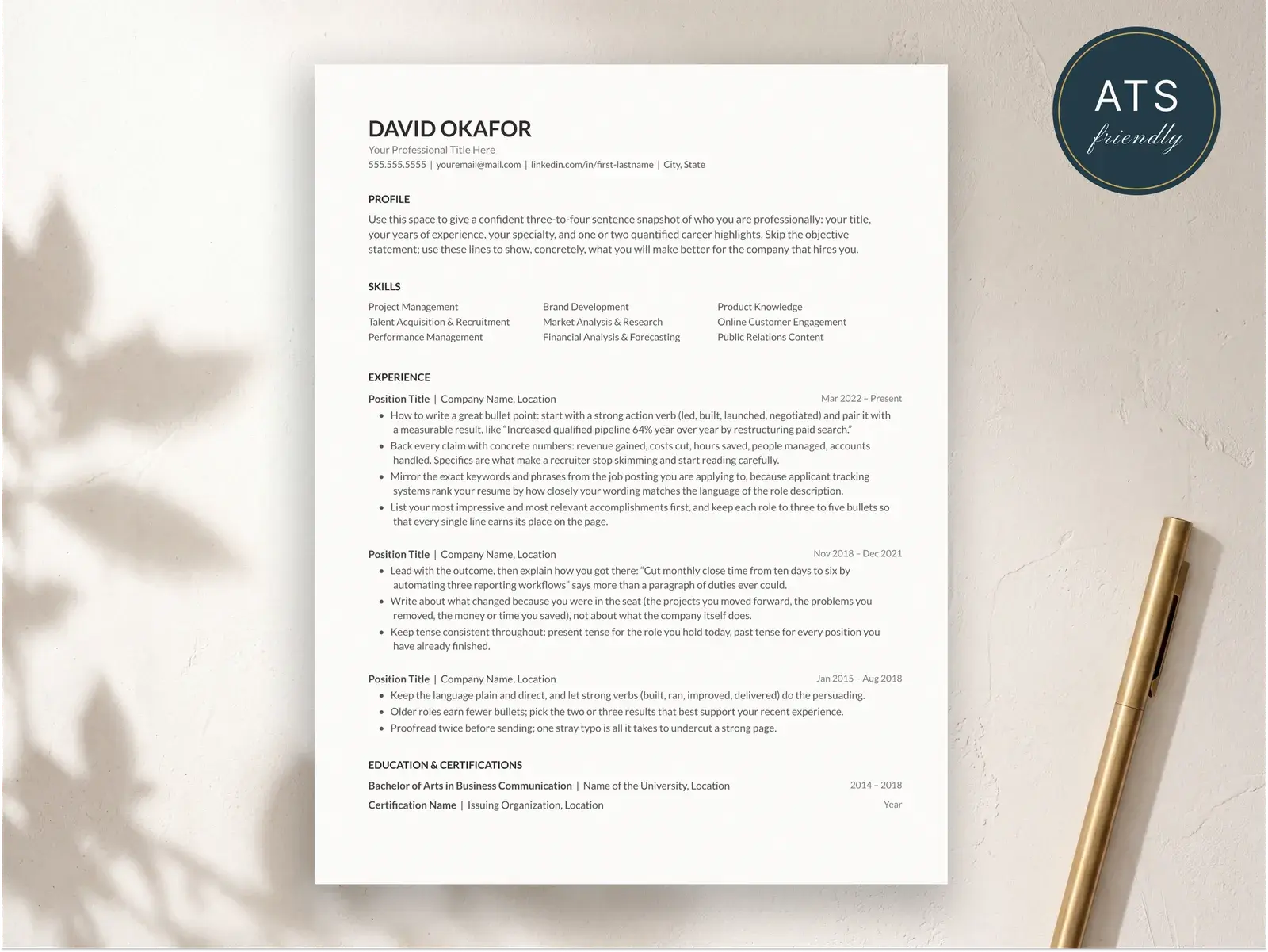
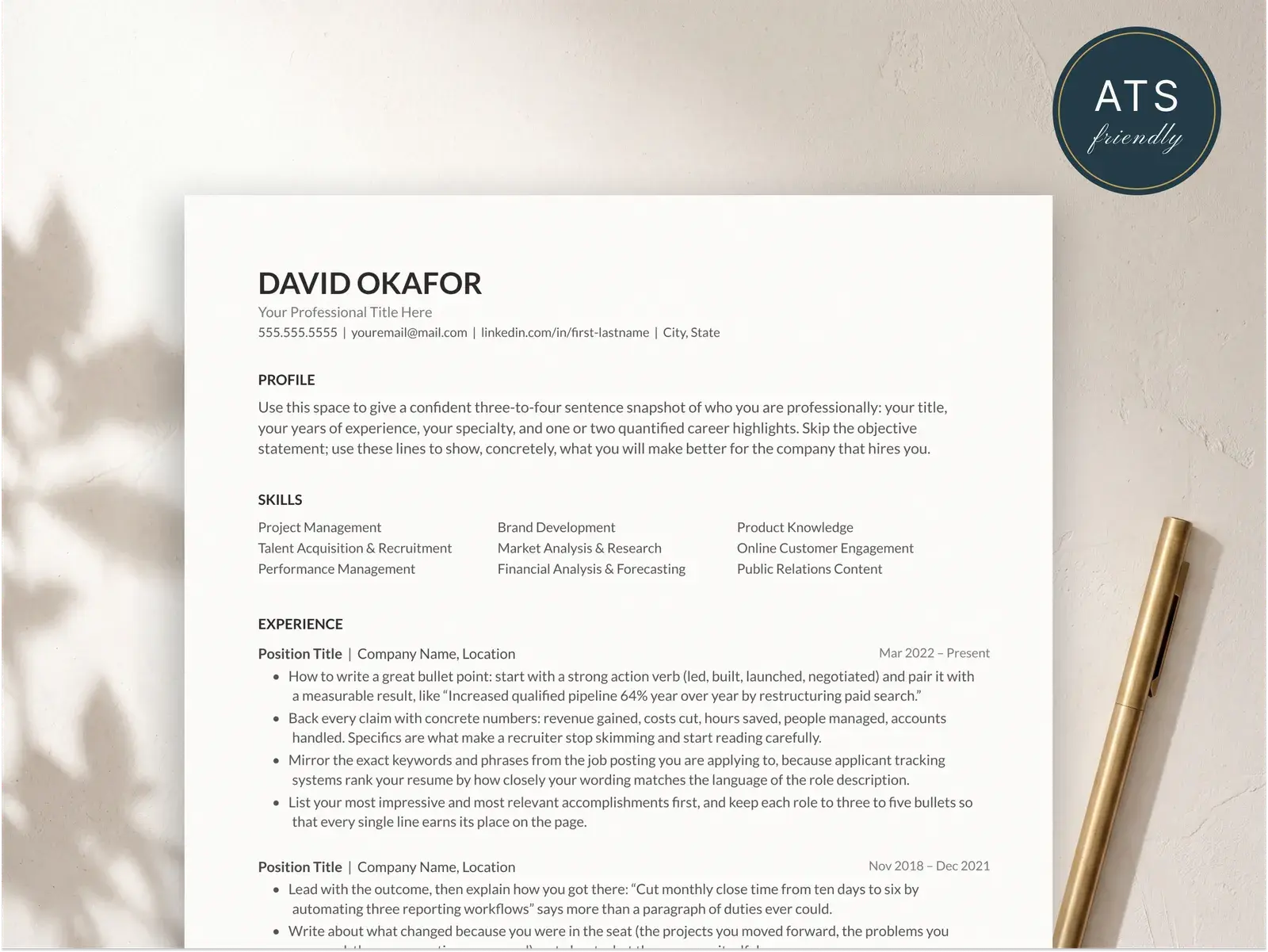
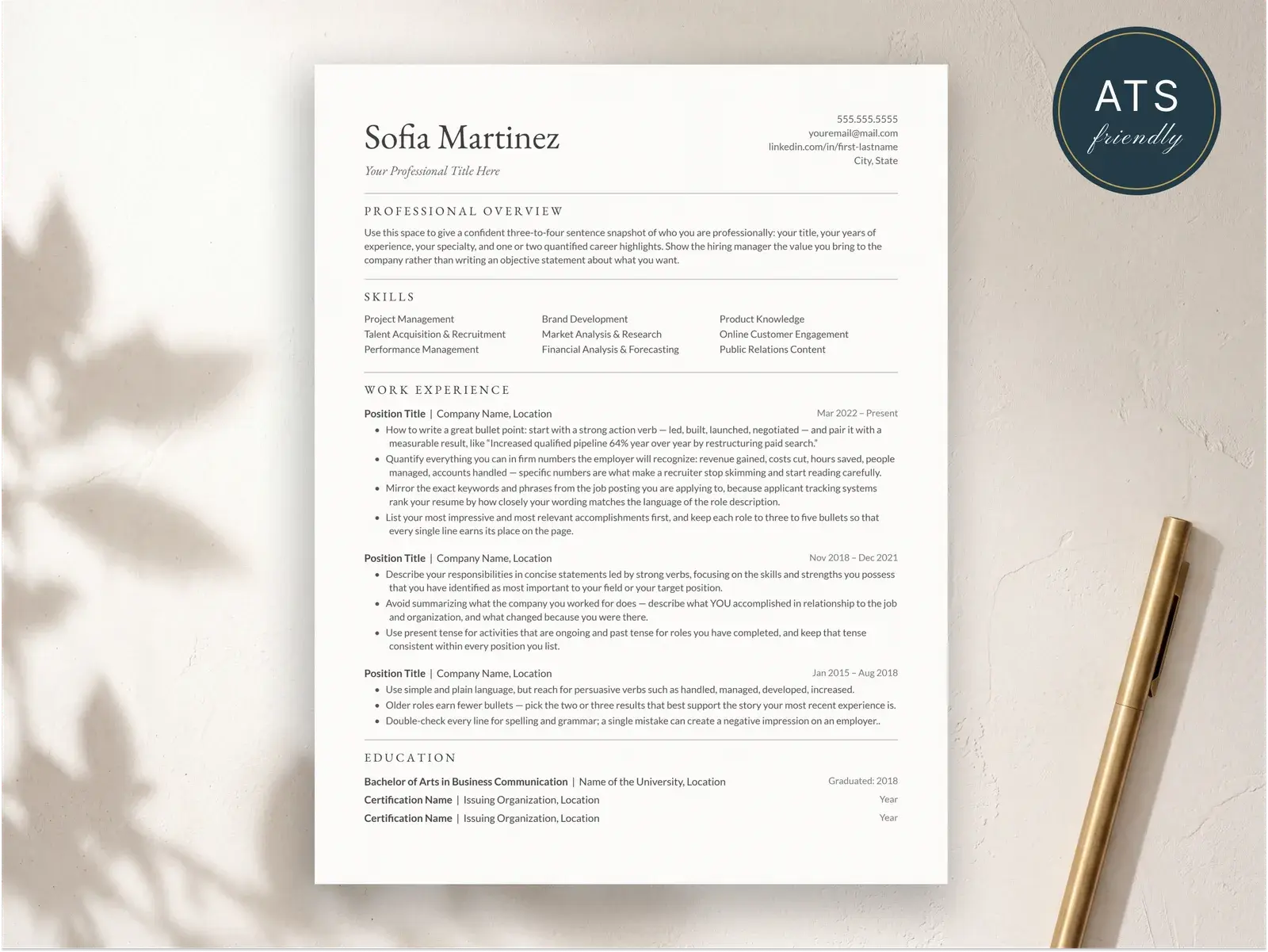
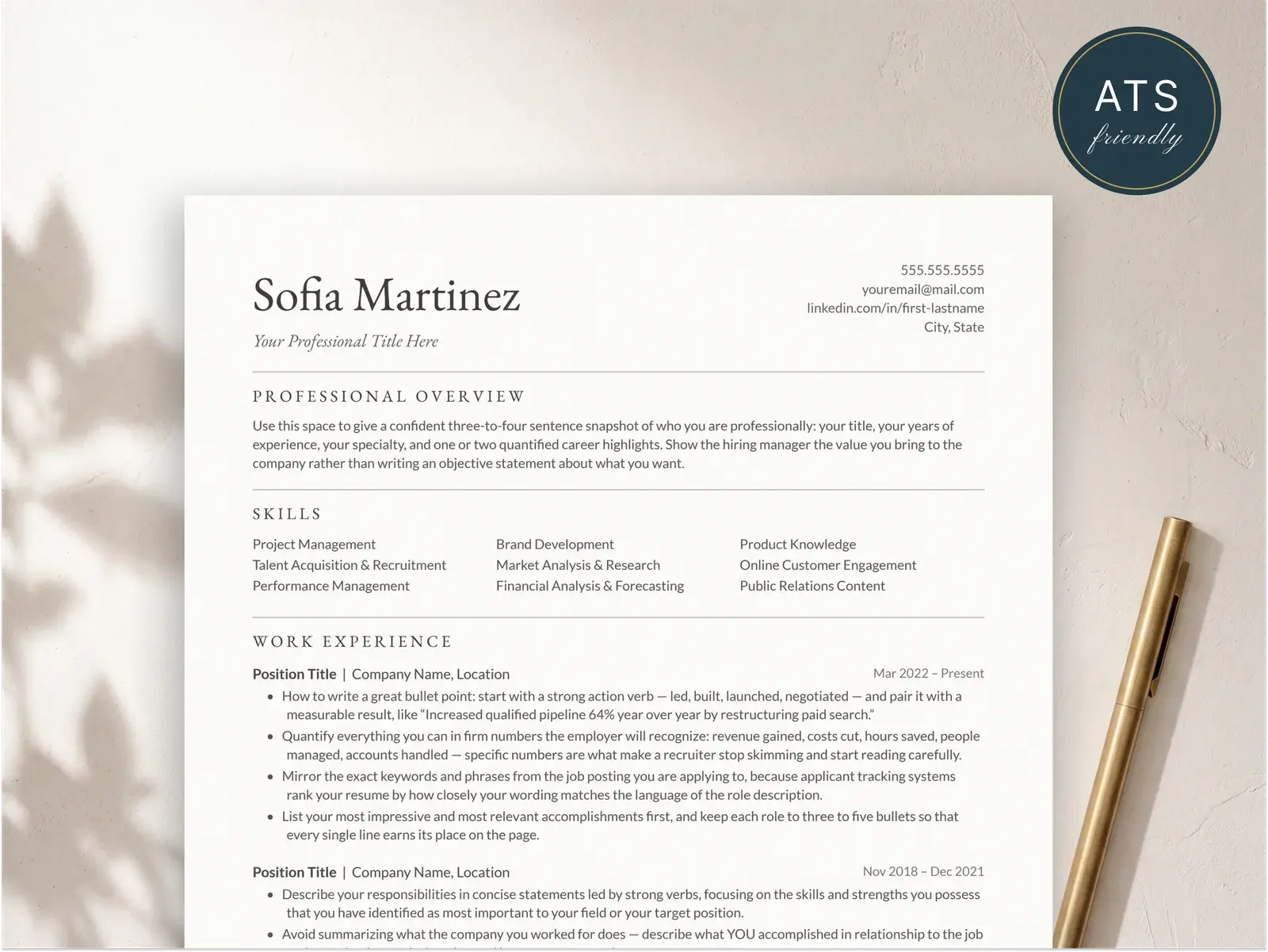
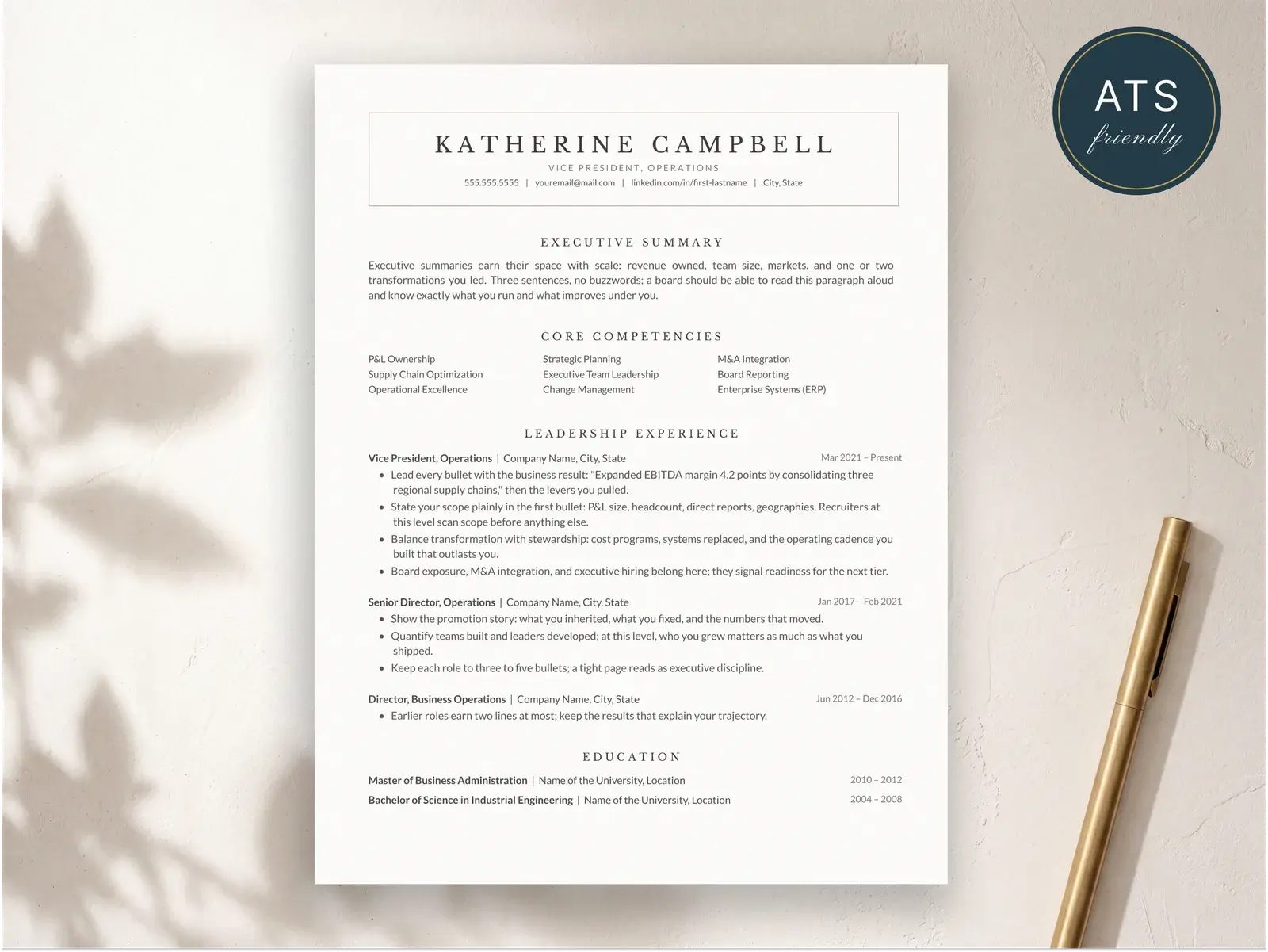
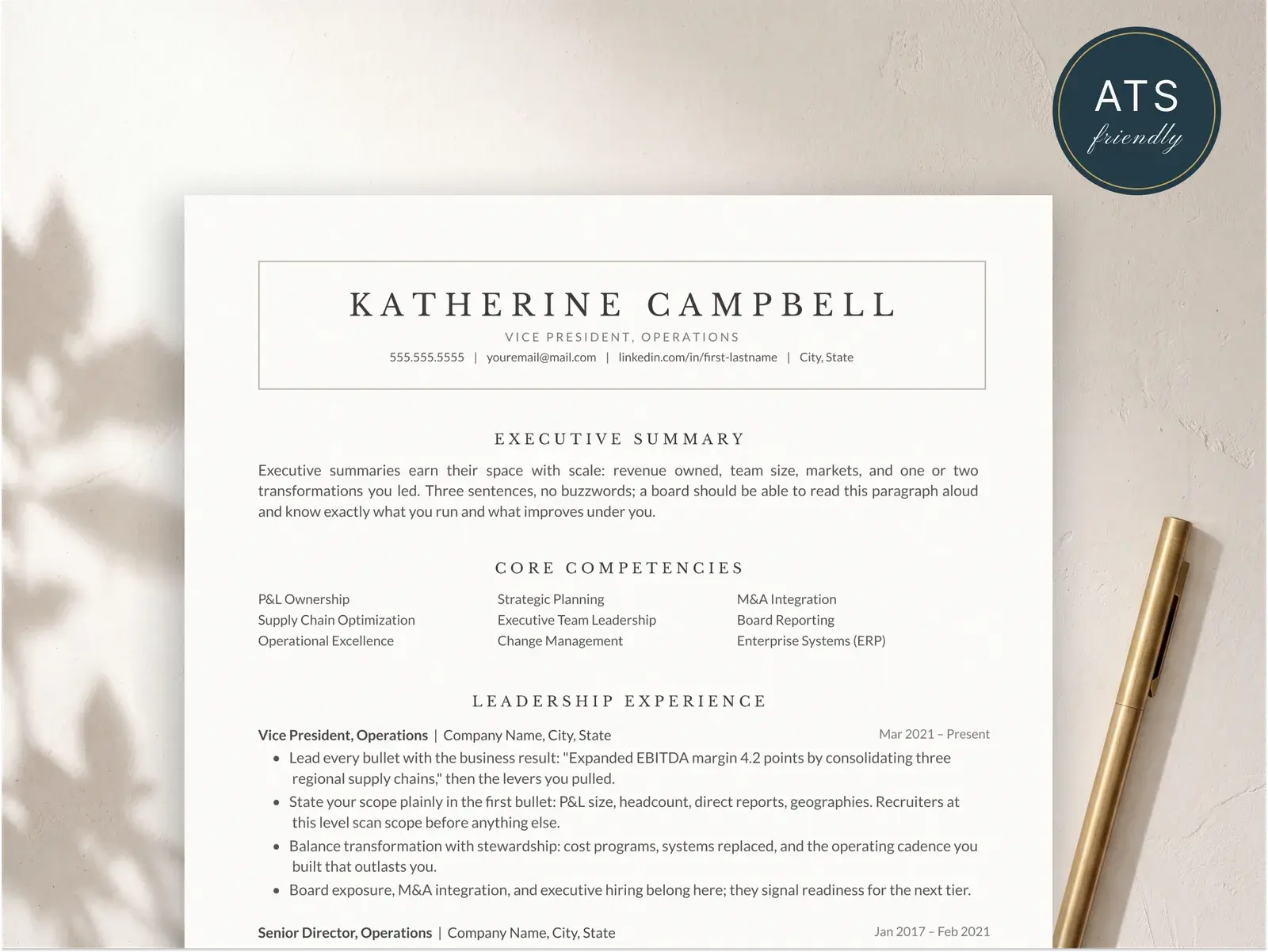
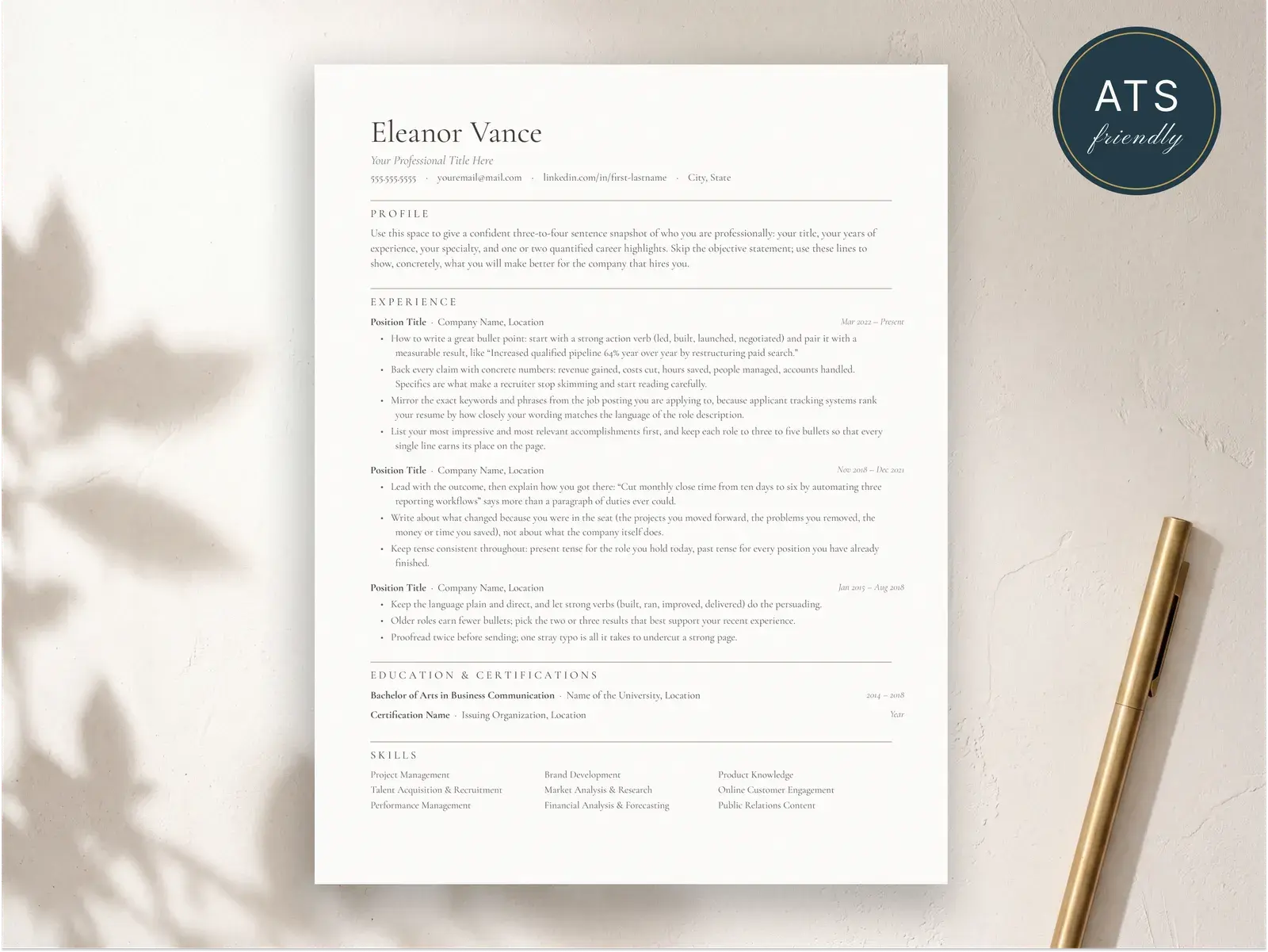
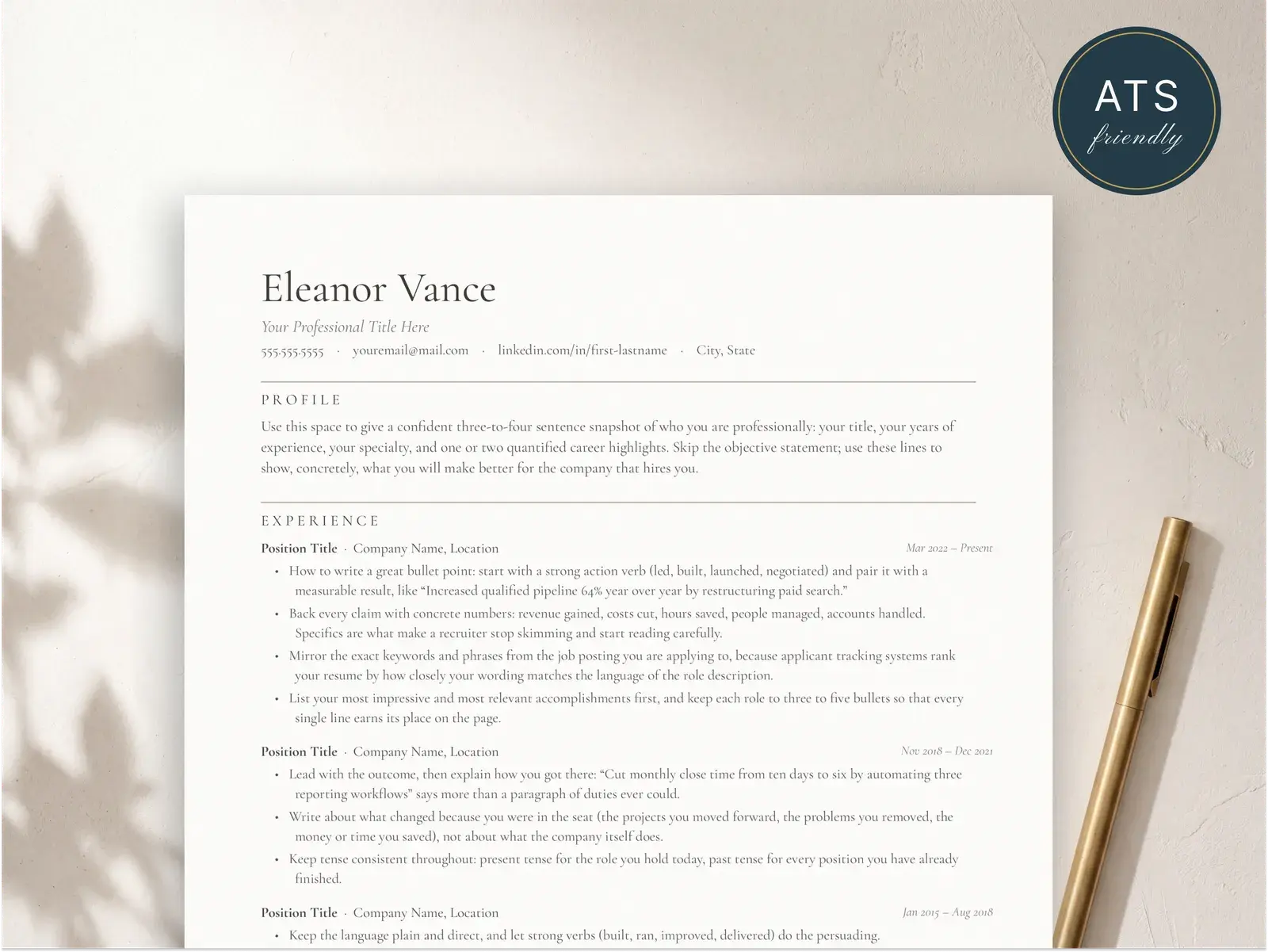
Accounting is a conservative field. These templates pair clean, traditional formatting with strong hierarchy — exactly what finance hiring managers expect to see.
How to write an accounting resume
Put your CPA and certifications front and center
In accounting, credentials carry enormous weight. Your CPA license is often the first thing a hiring manager looks for, so place it prominently — either in your resume header next to your name or in a dedicated certifications section immediately after your summary. Include your license number and state if applicable. Other valuable credentials include CMA, CIA, EA, and CFE. If you are actively pursuing a certification, list it as "in progress" with your expected completion date. Employers value candidates who are investing in professional development, even if the credential is not yet complete.
Showcase software proficiency with specificity
Modern accounting is software-driven. A generic "proficient in Excel" does not differentiate you. Instead, specify: "Advanced Excel — pivot tables, VLOOKUP/INDEX-MATCH, Power Query, and VBA macros for automated reconciliation." List every accounting platform you have used: QuickBooks Desktop and Online, SAP S/4HANA, Oracle NetSuite, Sage Intacct, Xero, or BlackLine. If you have experience with data visualization tools like Tableau or Power BI for financial reporting, include those as well. Match your software list to the tools mentioned in the job posting — this is where ATS keyword matching often makes or breaks an application.
Quantify audit findings and financial impact
Accounting work is inherently measurable, so there is no excuse for vague bullet points. Instead of "performed audits," write "led SOX compliance audits across 4 business units, identifying $340K in cost-saving opportunities and reducing audit exceptions by 62%." Quantify the portfolios you managed (dollar volume, number of accounts), the close cycles you shortened (from 12 days to 7), the error rates you reduced, and the regulatory deadlines you met. Every bullet should answer "how much" or "how many."
Demonstrate regulatory and compliance knowledge
Employers want accountants who understand the rules. Reference the specific frameworks you work within — GAAP, IFRS, SOX, ASC 606 revenue recognition, or tax codes relevant to your specialization. If you have experience preparing for or responding to IRS audits, state and local tax filings, or regulatory examinations, mention it explicitly. For public accounting candidates, note your Big Four or mid-tier firm experience and the types of clients you served (industry, revenue size, public vs. private). This context helps hiring managers gauge the complexity of your background at a glance.
Example bullet points
Strong bullets start with an action verb and include measurable results. Here are examples tailored to accounting and finance roles.
Managed month-end close for a $45M revenue division, reducing the close cycle from 10 business days to 6 by automating journal entries and standardizing reconciliation templates in NetSuite.
Prepared and reviewed quarterly financial statements in compliance with GAAP for 3 subsidiaries, ensuring accuracy across $120M in combined assets and meeting all SEC filing deadlines.
Led SOX 404 compliance testing across 12 key controls, identifying and remediating 3 material weaknesses before the external audit, contributing to a clean opinion for the third consecutive year.
Reconciled 350+ general ledger accounts monthly with a 99.8% accuracy rate, resolving outstanding variances within 48 hours and reducing aged items by 75% over two quarters.
Built automated revenue recognition model in Excel using Power Query and VBA, eliminating 20 hours of manual work per month and ensuring ASC 606 compliance across 8 contract types.
Processed 200+ multi-state payroll tax filings quarterly, maintaining 100% compliance with federal, state, and local tax deadlines and avoiding $85K in potential penalties over a 3-year period.
Managed accounts payable for 1,200+ vendors, negotiating early payment discounts that saved the company $165K annually while maintaining vendor satisfaction scores above 95%.
Related guides for accounting roles
Reading material that pairs with this template.
Resume examples
Ten full resumes you can read on a single page, each rendered in one of our templates with notes on what works.
Read moreResume summary examples
Eighteen examples including a staff accountant summary built around close-cycle reduction.
Read moreReverse-chronological resume format
The standard format finance and accounting hiring managers expect — section order, rules, and a full example.
Read moreFind the right template
Instant download, edit in Google Docs, Word, or Pages — and apply knowing the layout parses cleanly in hiring systems.
Browse the collectionQuestions, answered
Should I put my CPA on my resume even if it's in progress?
Yes. List it as "CPA Candidate" or "CPA Exam — 3 of 4 sections passed" in your certifications section. Employers value candidates actively pursuing the CPA, and being transparent about your progress shows initiative. Once you pass all sections, update it to the full credential with your license number.
What accounting software should I list on my resume?
Include every platform you have hands-on experience with. The most sought-after are QuickBooks (Desktop and Online), SAP, Oracle NetSuite, Sage, and Xero. Also list Excel proficiency with specific functions (VLOOKUP, pivot tables, macros) and any ERP systems. Tailor the list to match the tools mentioned in the job posting.
How do I make my accounting resume stand out?
Quantify everything. Instead of "prepared financial statements," write "prepared monthly financial statements for a $12M revenue division, reducing close cycle from 10 days to 6." Numbers give hiring managers concrete evidence of your impact. Pair metrics with the specific standards or frameworks you used (GAAP, IFRS, SOX).
Should accounting resumes be one page or two?
One page is standard for staff accountants, bookkeepers, and professionals with fewer than 8-10 years of experience. Senior accountants, controllers, and CFOs with extensive experience may benefit from two pages, but only if every line adds value. Never pad a resume — concise is always better in finance.
What format works best for accounting resumes?
A chronological format with a clean, single-column layout is the gold standard for accounting roles. Finance is a conservative industry, and hiring managers expect traditional formatting. Avoid creative designs, colors, or photos. Use clear section headings (Experience, Education, Certifications, Skills) and consistent date formatting throughout.